
Malaysia Airlines and Tourism New Zealand Launch Strategic Partnership to Boost Travel
Malaysia Airlines and Tourism New Zealand sign a two-year partnership to promote Auckland travel, utilizing modern A330neo flights.

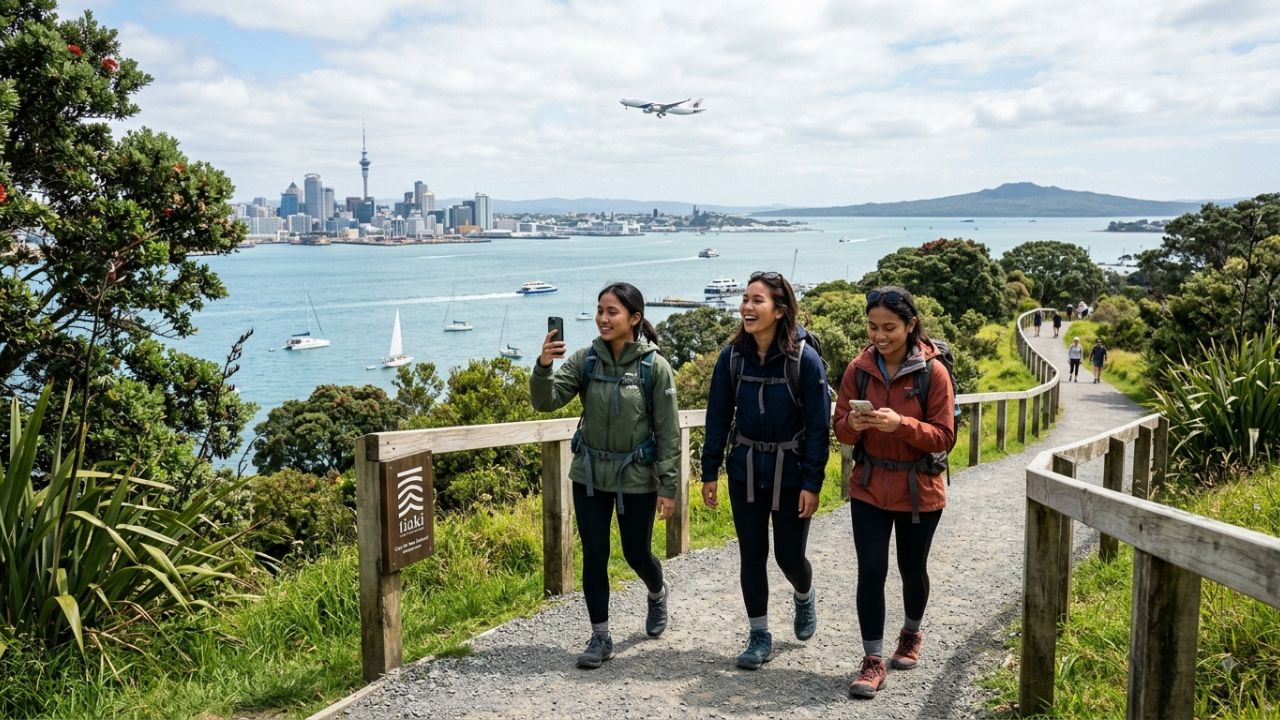
Image generated by AI
Malaysia Airlines and Tourism New Zealand have signed a two-year strategic partnership to stimulate travel demand, connecting Kuala Lumpur and Auckland with ten weekly flights aboard the airline's next-generation flagship A330neo aircraft.
The international travel sector is establishing collaborative marketing frameworks that blend airline passenger care with authentic destination experiences. The strategic alliance between Malaysia Airlines and Tourism New Zealand represents a major step in this direction. The partnership is built on shared cultural values: the Maori concept of manaakitanga (traditional welcome and care) and the signature Malaysian Hospitality offered by the airline. This two-year marketing campaign represents a coordinated effort to align airline routes with national tourism promotion.
For the visitor, the real impact is an integrated travel experience that begins the moment they step on board the aircraft. Instead of focusing solely on ticket sales, the two-year campaign highlights regional wellness retreats, culinary explorations, and coastal road trips, offering travelers a holistic introduction to New Zealand’s cultural heritage and natural sights. This partnership simplifies the travel planning process for explorers across Asia and beyond, encouraging them to experience the country in a slow and meaningful way, supporting local economies and community tourism initiatives along the way.
Operational Route Details and Next-Generation Flagship Aircraft
To support this growing tourism market, Malaysia Airlines operates ten weekly flights connecting its Kuala Lumpur hub directly to Auckland International Airport. This vital long-haul route is served by the airline’s flagship Airbus A330neo aircraft. The transition to this next-generation wide-body aircraft provides passengers with several travel benefits, including improved cabin features, larger overhead bins, and modern seats.
The advanced aerodynamics of the Airbus A330neo also help reduce fuel consumption and lower carbon emissions per passenger, aligning with both organisations' sustainability goals. By streamlining the connection between these two hubs, the burden of long-haul transit is significantly reduced. Passengers can enjoy a seamless flight experience that makes the journey as comfortable and enjoyable as the destination itself. This fleet modernization ensures that travelers from Southeast Asia can access New Zealand's wilderness corridors with reduced environmental footprints.
Statistical Growth and Target Travel Demographics
The strategic partnership is supported by strong visitor arrival statistics. Over a recent twelve-month period, New Zealand welcomed 32,200 visitors from the Malaysian market. This figure represents an 11.5 percent year-on-year growth, showing the enduring appeal of New Zealand for Asian travelers. This positive momentum indicates that travelers are increasingly seeking nature-based escapes and cultural heritage travel.
The marketing campaign is designed to target travel segments that prioritize experience-led travel, including young professionals, nature enthusiasts, and families. Tourism New Zealand is also working with travel agents in Malaysia and neighboring countries to organize familiarization trips and joint promotions, making it easier for visitors to plan customized itineraries. These joint marketing efforts include digital, print, and social media campaigns to highlight Aotearoa’s unique sights and culinary traditions.
Promoting Sustainable Tourism Under the Tiaki Promise
A primary element of this collaborative campaign is the promotion of responsible travel through the Tiaki Promise. The Tiaki Promise is a national initiative that invites all visitors to act as guardians of New Zealand’s natural environment, heritage, and local communities.
By signing onto the Tiaki Promise, travelers commit to:
- Protect Nature: Tread lightly, leave no trace of waste, and keep to designated trails.
- Keep New Zealand Clean: Pack out all trash and dispose of recycling properly in local bins.
- Show Cultural Respect: Travel with an open heart and mind, respecting local customs and sacred spaces.
Preventing the Spread of Kauri Dieback Disease
New Zealand’s native forests are home to ancient Kauri trees, which hold deep spiritual and ecological significance. These trees are critically threatened by Kauri Dieback disease—a fatal, soil-borne pathogen. The disease spreads through soil movement, and even tiny traces of mud on hiking boots can infect a new forest zone.
Travelers must follow strict biosecurity regulations to prevent the spread of the disease. Always clean footwear and hiking gear at designated cleaning stations before and after entering forest areas. Never step off marked trails, as Kauri roots are extremely delicate and spread close to the surface, making them vulnerable to soil movement. By staying on tracks, visitors can help protect these ancient forest giants from accidental damage. Kauri forests are ancestral treasures for Māori, and their preservation is a key part of New Zealand's conservation heritage.
Destination Expert Insider Tips for Auckland and New Zealand
To help travelers experience the natural wonders, culinary traditions, and cultural heritage of Auckland and New Zealand safely and responsibly, local destination specialists recommend the following insider tips:
- Respect Maungawhau (Mount Eden) Crater: Climb Maungawhau, the highest natural point in Auckland, to enjoy panoramic views of the city. As a sacred site (wāhi tapu) for local Māori, please do not walk into the 50-meter-deep volcanic crater. Private vehicles are banned on the summit, so plan for a scenic 20-minute walk from the base.
- Savor Fresh Green-Lipped Mussels and Pavlova: Try green-lipped mussels, a native delicacy renowned for its distinct flavor and health benefits. For dessert, sample Pavlova—a classic meringue-based treat topped with whipped cream and seasonal fresh fruit. Both dishes are widely served at local eateries and waterfront restaurants across Auckland.
- Time Your Waiheke Island Ferry Trip: Take a passenger ferry from downtown Auckland to Waiheke Island to explore local vineyards and beaches. Avoid peak travel hours (10:00 am to 12:00 pm outbound and 3:00 pm to 6:00 pm return) to skip long ticket queues, and purchase your tickets online in advance. Once on the island, you can easily use public buses, taxi services, or rent an e-bike to explore the coast.
- Experience a Māori Hāngī Feast: If invited to a gathering, try food cooked in a Hāngī—a traditional earth oven where meat and root vegetables are slow-cooked under the ground using heated stones.
- Follow Biosecurity Rules strictly: Clean all hiking boots and camping gear before entering New Zealand to avoid delays at airport customs, and declare all food items upon arrival to protect the local environment.
Long-Term Outlook for International Aviation Partnerships
The long-term outlook for international tourism is defined by these integrated marketing and transport alliances. By combining the route networks of airlines with the promotional outreach of national tourism boards, destinations can build stable visitor growth. These joint efforts allow both organisations to pool resources and align flight capacity with hotel and resort developments.
These initiatives are coupled with a focus on sustainable travel practices, including route optimization, carbon-offset programs, and eco-friendly tourist facilities. The partnership between Malaysia Airlines and Tourism New Zealand establishes a new standard for international collaboration, showing that the future of travel depends on protecting the natural assets and cultural heritage that make destinations unique, promoting a sustainable future for global tourism. By aligning their commercial goals with environmental preservation schemes like the Tiaki Promise, global airlines and national tourism boards ensure that travel continues to enrich both the traveler and the host community.
Related Travel Guides
Disclaimer
This article is for informational and educational purposes only. It does not constitute legal, financial, or professional advice. While we strive to provide accurate and up-to-date information, travel policies, regulations, and conditions change rapidly. Always verify information with official sources before making travel decisions. Nomad Lawyer makes no representations about the accuracy, reliability, completeness, or suitability of the information provided. Readers should consult qualified professionals for advice specific to their circumstances. The views expressed in this article are those of the author and do not necessarily reflect the views of Nomad Lawyer.
Kunal K Choudhary
Co-Founder & Contributor
A passionate traveller and tech enthusiast. Kunal contributes to the vision and growth of Nomad Lawyer, bringing fresh perspectives and driving the community forward.
Learn more about our team →