
Kansas Achieves International Tourism Growth as Global Travelers Discover Heartland Destinations
Kansas welcomed 79,000 international visitors in 2025, reflecting a growing global interest in off-the-beaten-path American destinations.

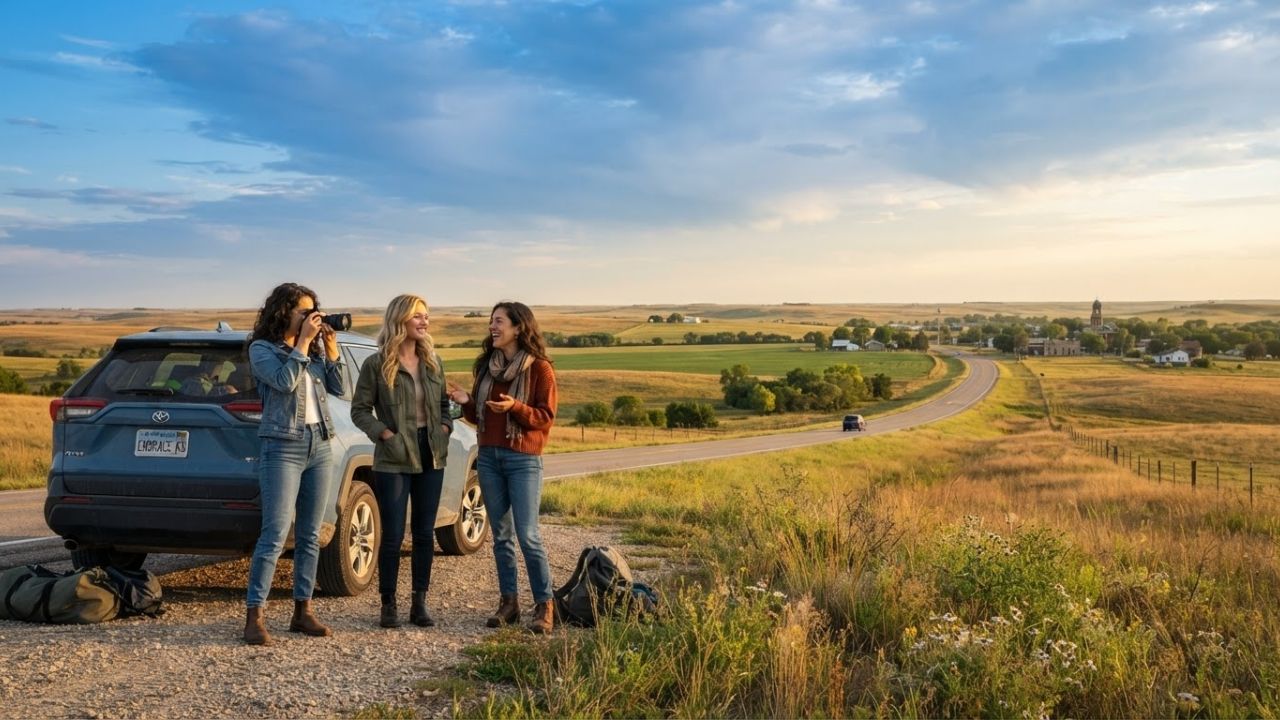
Image generated by AI
Kansas welcomed 79,000 international travelers in 2025, marking a significant milestone as global visitors increasingly seek off-the-beaten-path destinations beyond America's coastal gateways.
The global travel sector is experiencing a notable shift toward slow and intentional travel. Instead of rushing between congested tourist landmarks, international visitors are increasingly searching for less crowded, culturally authentic experiences in the American Heartland. For the visitor, the real impact is a vacation model that focuses on natural spaces, historical heritage, and meaningful community interactions.
Kansas is positioning itself at the center of this trend. Welcoming 79,000 international visitors in 2025 highlights how the state is attracting global interest. Travelers are discovering that the heart of the country offers unique geological formations, native grasslands, and rich culinary traditions that are easily missed on standard coastal tours. This growth reflects a broader diversification of U.S. inbound tourism, where smaller states gain economic value by showcasing their regional cultural assets and natural landscapes.
Real Economic Impact of US International Travel Rebound
International tourism serves as a major driver for the United States economy, generating billions of dollars in export revenues and supporting local business networks. However, the post-pandemic recovery has been uneven across different regions and sectors.
While current dollar figures show a positive rebound—with international travel and tourism exports generating $20.9 billion in May 2026 compared to $20.3 billion in May 2019—inflation-adjusted statistics reveal that the industry's real purchasing power remains below pre-pandemic levels. This discrepancy underlines the ongoing efforts needed to rebuild the full strength of the tourism economy. By attracting overseas visitors who tend to stay longer and spend more than domestic tourists, emerging destinations like Kansas help distribute economic benefits more evenly across the country, supporting hospitality, retail, and local services in rural areas.
Gateway Dominance Versus the High Density of Smaller Markets
Inbound international travel to the United States remains heavily concentrated in a handful of high-profile gateway states. Florida, New York, and California continue to attract the largest share of overseas travelers due to their global recognition, flight connections, and established tourism infrastructure:
- Florida: Leads the nation with approximately 9.3 million international visitors, supported by theme parks, cruise ports, and beaches.
- New York: Attracts around 9.1 million global travelers, driven by the cultural and commercial appeal of New York City.
- California: Ranks third with about 6.6 million international visitors, offering iconic coastal cities, sunny beaches, and major national parks.
Together, these top three states receive over 25 million overseas visitors, surpassing the combined arrivals of many other states. However, population-based metrics show a different picture. Hawaii, for example, has the highest concentration of international travelers relative to its resident population, welcoming more than 1,200 international visitors for every 1,000 residents. This highlights how smaller, tourism-dependent economies experience a much higher concentration of global visitor impact.
Why Global Visitors Choose Heartland Routes and Activities
Leisure travel remains the leading driver for international trips to the United States, attracting over 23 million overseas visitors for vacations. Visiting friends and relatives is another major travel category, representing over 12 million arrivals, while business travel and professional conferences bring in millions more.
Once they arrive, overseas travelers engage in a variety of activities. Shopping is the most popular activity, drawing over 28 million international visitors, followed by sightseeing with over 26 million travelers. Interestingly, nature tourism is experiencing a steady surge. Millions of international visitors are opting to explore national parks, state reserves, and rural regions. This growing demand for nature-focused itineraries is a key factor behind the rising visitor numbers in states like Kansas, where wide-open skies and historic trails provide an authentic taste of the historical American West.
Community-First Tourism and Native Prairie Conservation
To support this influx of visitors sustainably, the Kansas Department of Wildlife and Parks (KDWP) and local heritage organizations are focusing on community-based tourism and ecological stewardship. These initiatives aim to protect sensitive prairie ecosystems while supporting the economies of small towns.
By encouraging travelers to choose eco-friendly lodging, buy from local businesses, and hire regional guides, the state ensures that tourism proceeds remain within host communities. This approach helps fund conservation efforts for the state's remaining tallgrass prairies, turning tourism into a tool for environmental preservation. Visitors are encouraged to follow low-impact travel habits, such as staying on marked paths and minimizing waste, to help protect these fragile ecosystems for future generations.
Destination Expert Insider Tips for Kansas Road Trips
To help travelers experience the natural wonders, historic sites, and culinary traditions of Kansas safely and responsibly, local destination specialists recommend the following insider tips:
- Explore the Tallgrass Prairie in Autumn: Visit the Tallgrass Prairie National Preserve in Chase County, where you can walk through one of the last remaining tallgrass prairie systems in the world. The best time to visit is during the "Tall in the Fall" season from late September to October, when the native grasses reach their maximum height. Admission is free, but visitors should check for prescribed burn alerts and maintain a safe distance of at least 100 yards from the resident bison herd.
- Navigate the Dirt Roads to Monument Rocks: Located on private land south of Oakley, these towering chalk pyramids are open to the public from dawn to dusk. Access is via unpaved country roads that can become impassable when wet, so avoid visiting during or immediately after heavy rain. Download offline maps before heading out, as cell service is spotty in this remote area. Respect the site by not climbing the formations or collecting fossils.
- Savor Authentic Kansas City Barbecue: Taste the region's signature culinary specialty—burnt ends, which are the caramelized, smoky edges of a beef brisket. Popular local spots like LC's Bar-B-Q, Q39, and Joe's Kansas City Bar-B-Que often sell out of burnt ends by early afternoon, so plan to arrive early. Request the sweet, tomato-based barbecue sauce on the side to control the flavor profile of the meat.
- Plan Around Comfortable Weather Windows: The best times for a Kansas road trip are the shoulder seasons of Spring (April to June) and Fall (September to November), which offer pleasant temperatures and beautiful wildflower blooms or autumn colors.
- Respect Private Land Boundaries: Many of the state's natural features and trail accesses are bordered by private properties. Always respect fencing, close gates behind you if permitted to pass, and never trespass on marked lands.
Long-Term Outlook for Heartland Tourism Growth
The long-term outlook for Kansas's tourism sector is positive, driven by the expanding interest in nature-based excursions and slow travel. As global travelers seek alternatives to crowded city centers, heartland destinations are well-positioned to capture a larger share of the U.S. travel market.
By collaborating with regional conservation bodies and the U.S. Travel Association, Kansas can continue to develop its visitor infrastructure responsibly. Promoting sustainable transport networks, supporting historic preservation, and investing in local communities will ensure that the state remains a welcoming, diverse, and culturally rich destination for international and domestic travelers alike.
Related Travel Guides
Disclaimer
This article is for informational and educational purposes only. It does not constitute legal, financial, or professional advice. While we strive to provide accurate and up-to-date information, travel policies, regulations, and conditions change rapidly. Always verify information with official sources before making travel decisions. Nomad Lawyer makes no representations about the accuracy, reliability, completeness, or suitability of the information provided. Readers should consult qualified professionals for advice specific to their circumstances. The views expressed in this article are those of the author and do not necessarily reflect the views of Nomad Lawyer.
Kunal K Choudhary
Co-Founder & Contributor
A passionate traveller and tech enthusiast. Kunal contributes to the vision and growth of Nomad Lawyer, bringing fresh perspectives and driving the community forward.
Learn more about our team →