
Maine Launches Welcome Home Outreach to Rebuild Canadian Tourism
Facing a potential loss of 225,000 Canadian visitors, Maine initiates its Welcome Home strategy to reassure Quebec and Atlantic Canada travelers and protect $500M in revenue.

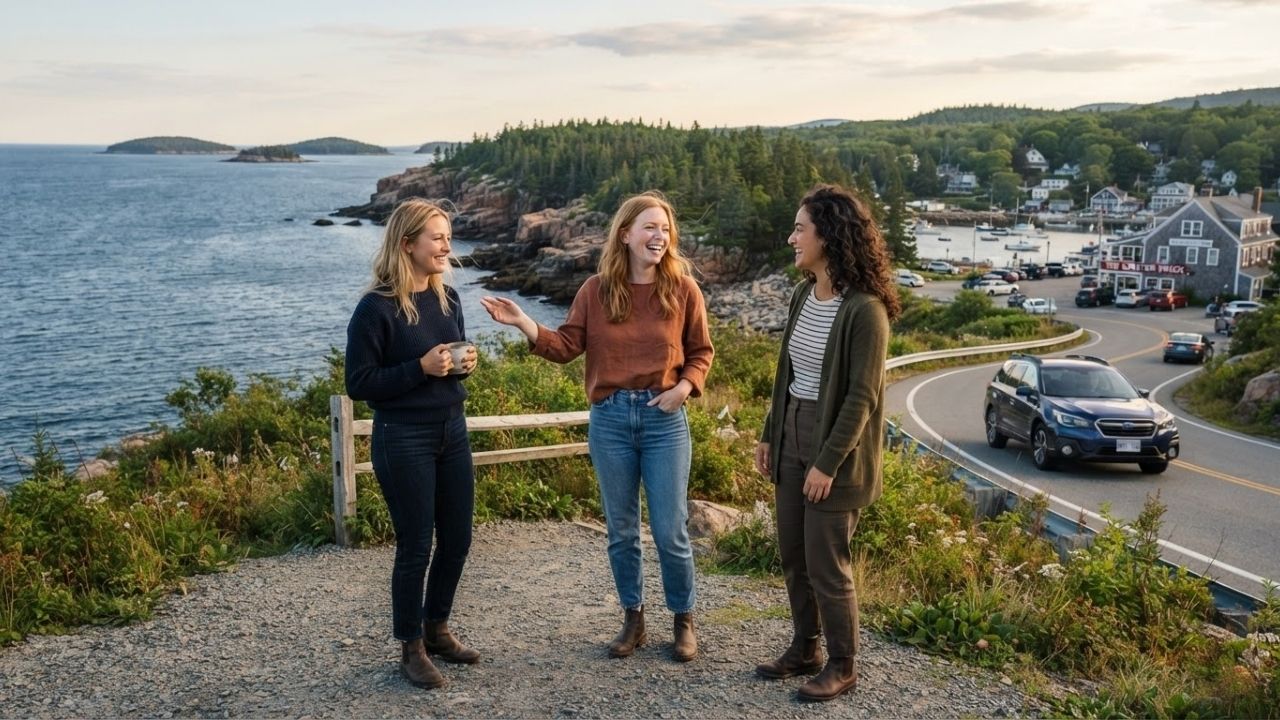
Image generated by AI
With approximately 800,000 Canadian visitors generating nearly $500 million in annual spending across Maine, state tourism leaders and Governor Janet Mills have launched the "Welcome Home" initiative to counter cross-border travel uncertainty and safeguard coastal hospitality.
The Local Trend: Rebuilding Cross-Border Travel Confidence
Northern border states are confronting a critical shift in cross-border travel behavior. According to the Maine Governor’s Office, tourism generated over $9 billion in total economic impact from nearly 15 million visitors in 2024. Canadian travelers accounted for approximately 800,000 of those arrivals and nearly $500 million in visitor expenditure, predominantly arriving by road from Quebec, New Brunswick, and Atlantic Canada.
Recent geopolitical rhetoric, currency exchange differentials, and tariff discussions have prompted many Canadians to reconsider road trips south. State officials warn that continued hesitation could result in the loss of roughly 225,000 Canadian visitors. In response, Governor Janet Mills and the Maine Office of Tourism introduced the "Welcome Home" outreach—a targeted reassurance framework designed to emphasize mutual cultural affinity, community hospitality, and hassle-free border transit rather than an aggressive commercial advertising blitz.
Comparative State Models: Maine, Michigan, and Minnesota
Northern border states manage Canadian visitor engagement through distinct branding frameworks:
- Maine's Reassurance Model: Focuses directly on relationship repair and emotional warmth, targeting drive-market travelers from Montreal, Quebec City, and Fredericton seeking classic seaside vacations and fresh seafood.
- Michigan’s "Pure Michigan": Utilizes established destination branding centering on Great Lakes recreation, outdoor heritage, and culinary trails across Detroit, Mackinac Island, and the Upper Peninsula.
- Minnesota’s "Star of the North": Leverages authentic documentary-style storytelling through Explore Minnesota, maintaining targeted outreach into nearby Canadian urban centers like Winnipeg and Thunder Bay, where more than 500,000 Canadian visitors previously generated approximately $175 million annually.
US Northern Border Tourism Profile and Strategic Metrics (2024–2026)
| Strategic Tourism Indicator | Maine (Priority Case) | Michigan | Minnesota |
|---|---|---|---|
| Core Campaign Identity | "Welcome Home" Reassurance | "Pure Michigan" Destination Brand | "Star of the North" Storytelling |
| Canadian Visitor Volume (2024) | ~800,000 visitors | High-volume Great Lakes transit | 500,000+ visitors (pre-decline) |
| Canadian Economic Impact | Nearly $500 Million | Major regional retail & lodging driver | Approximately $175 Million |
| Primary Feeder Regions | Quebec, New Brunswick, Atlantic Canada | Ontario, Canadian Midwest | Manitoba (Winnipeg), Ontario (Thunder Bay) |
| At-Risk Visitor Headcount | ~225,000 potential lost visitors | Long-term border crossing softness | Cross-border regional retail softness |
| Core Experiential Anchors | Acadia, Old Orchard Beach, Portland food | Great Lakes, inland forests, auto heritage | Boundary Waters, Lake Superior, Twin Cities |
| Managing Agency | Maine Office of Tourism / Governor’s Office | Travel Michigan / Pure Michigan | Explore Minnesota |
Community Vulnerability Across Coastal and Border Hubs
Canadian patronage serves as an economic cornerstone for seasonal family-operated businesses across Maine:
- Old Orchard Beach: Historically the premier summer retreat for French-speaking families from Quebec, where seaside motels, campgrounds, and pier attractions rely on Canadian multi-week bookings.
- Portland’s Culinary Quarter: Independent bakeries, craft breweries, and seafood restaurants in the Old Port depend on weekend leisure travelers driving down Interstate 95.
- Bar Harbor and Acadia National Park: Canadian hikers and maritime adventurers provide vital lodging revenue for Mount Desert Island during the shoulder months of June and September.
- Aroostook and Northern Border Towns: Remote northern border crossings sustain local grocery stores, hardware suppliers, and gas stations through daily cross-border errands.
Destination Specialist Local Insider Tips
Canadian and cross-border road trippers visiting Maine can maximize their experience with these practical recommendations:
- Utilize Secondary Border Crossings: When driving from Quebec or New Brunswick on holiday weekends, bypass high-volume crossings like Houlton or Calais in favor of smaller ports of entry such as Armstrong/Jackman (Route 201) or Vanceboro for quicker processing.
- Visit Old Orchard Beach in Early September: The post-Labor Day shoulder window offers warm Atlantic ocean temperatures, uncrowded beachfronts, and motel rates discounted by up to 50%.
- Taste Authentic Maritime Lobster Rolls: Stop at cooperative lobster pounds along Route 1—such as in Trenton or Wiscasset—where lobster is weighed live and served with drawn butter directly on working docks.
- Download the Acadia Island Explorer Shuttle App: Avoid vehicle parking congestion at Jordan Pond and Cadillac Mountain by parking in Bar Harbor and riding the fare-free Island Explorer bus system.
- Check US Dollar Exchange Promos: Several coastal motels and family campgrounds in Old Orchard Beach and Ogunquit offer seasonal "at-par" Canadian dollar promotions during early June and late August.
Future Outlook
Maine’s "Welcome Home" strategy highlights that modern international tourism requires sustained trust and diplomatic goodwill. By prioritizing hospitable personal connections alongside regional outdoor treasures, Maine seeks to preserve its generations-old bond with Canadian travelers, sustaining small coastal communities and multi-generational family enterprises across the state.
Related Travel Guides
Disclaimer
This article is for informational and educational purposes only. It does not constitute legal, financial, or professional advice. While we strive to provide accurate and up-to-date information, travel policies, regulations, and conditions change rapidly. Always verify information with official sources before making travel decisions. Nomad Lawyer makes no representations about the accuracy, reliability, completeness, or suitability of the information provided. Readers should consult qualified professionals for advice specific to their circumstances. The views expressed in this article are those of the author and do not necessarily reflect the views of Nomad Lawyer.
Raushan Kumar
Founder & Lead Developer
Full-stack developer with 11+ years of experience and a passionate traveller. Raushan built Nomad Lawyer from the ground up with a vision to create the best travel and law experience on the web.
Learn more about our team →