
Austria Leads European Coalition in Over-Tourism Pivot: 'Vision T' 2035 Blueprint, €100M EIB Financing, and All-Season Alpine Rail Connectivity
Austria joins Spain, Greece, Italy, and Portugal in ditching raw visitor volume for high-yield, year-round tourism, backed by the Vision T 2035 framework and a €100M EIB-OeHT finance package.

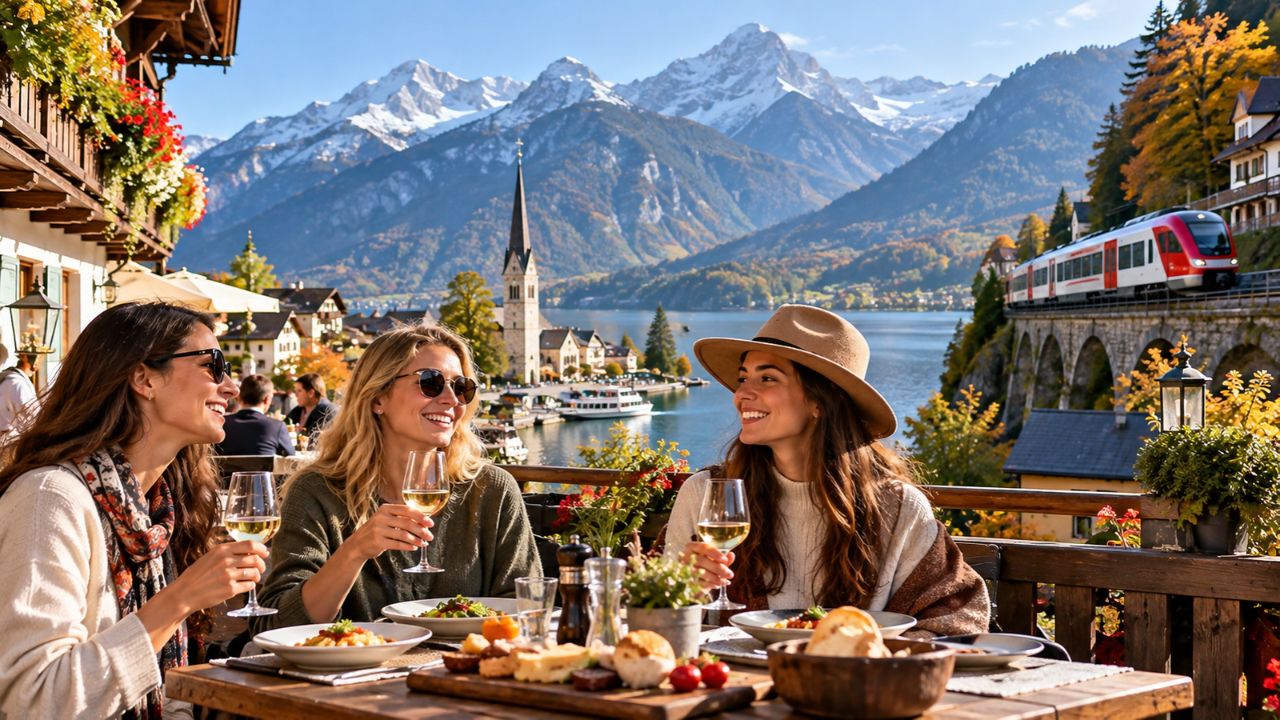
Image generated by AI
In a fundamental continental break from decades of rigid seasonal over-tourism—characterized by crowded winter ski slopes and overwhelmed August Mediterranean beaches—the Republic of Austria has joined forces with Spain, Greece, Italy, and Portugal to pioneer a high-yield, year-round 'Tourism 2.0' model anchored by the Austrian National Tourist Office under its transformative 'Vision T' 2035 national strategy. Moving decisively away from measuring destination success by raw overnight tallies, this multi-nation European movement combines state-backed small-and-medium enterprise (SME) funding, high-speed regional rail infrastructure, culinary cultural campaigns, and smart off-peak dispersal policies to build a sustainable, 365-day economic flywheel.
Announced with a €100 million ($109 million USD) green financing package co-financed by the European Investment Bank (EIB) and the Austrian Hotel and Tourism Bank (OeHT), Vision T re-engineers destination management to prioritize net economic value over headcounts. The framework targets an increase in off-peak overnight stays from 53% to over 60%, expanding annual sector value past €25 billion while stabilizing year-round employment for more than 160,000 hospitality professionals.
The Vision T Architecture: Re-Engineering Austrian Tourism
Launched as an all-encompassing national development roadmap running through 2035, Vision T confronts the systemic challenges of seasonality, climate change in low-altitude ski zones, and generational SME business succession. Rather than adding unchecked hotel beds, capital is directed into modernization, mobility, and high-value gastronomy.
AUSTRIA 'VISION T' STRATEGIC EXECUTION ARCHITECTURE
| Column 1 |
|---|
| INFRASTRUCTURE & CAPITAL CULTURAL & BRAND VALUE DIGITAL & GOVERNANCE |
| • €100M EIB/OeHT SME Facility • 'eatArtists' Global Gastronomy • NextGen4Austria Succession Plan |
| • Koralmbahn High-Speed Rail • Eurovision Song Contest 2026 • AI Dynamic Pricing & Logistics |
| • €18M Zugspitzbahn Overhaul • Four-Season Alpine Marketing • Short-Term Rental Oversight |
| • Electric Alpine Bus Networks • Cultural Heritage Preservation • Off-Peak Shoulder Incentives |
A primary component of this operational shift is the €18 million upgrade of the Tiroler Zugspitzbahn and Ehrwalder Alm hubs in Tyrol, supported by €3.5 million in EIB financing via Hypo Tirol Bank. The project introduces an 85-space underground parking facility to clear surface valley congestion, modernizes visitor terminal arrival halls, and integrates advanced, energy-efficient snowmaking and summer hiking mobility, transforming a winter-only ski center into an all-season alpine sanctuary.
Continental Coalition: How Southern and Central Europe Are Re-Balancing Visitor Inflows
Austria’s domestic strategy operates in direct synergy with policy pivots across Southern Europe, where governments are curbing peak-season over-tourism through regional redistribution:
| Country | Primary Strategic Framework | Dedicated Financing / Policy Tool | Primary Benchmark Objective |
|---|---|---|---|
| Austria | Vision T (2026–2035) | €100M EIB-OeHT Facility & Koralmbahn High-Speed Rail | >60% off-peak stays; >€25B sector value; 160k stable jobs |
| Spain | High-Yield Smart Tourism | NextGen EU Destinos Turísticos Inteligentes Funds | Maximizing spending per visitor over volume (Q1 spend >€25B) |
| Greece | Qualitative Island Dispersal | Off-Peak Shoulder Campaigns & Direct US Flights | Expanding arrivals into Samos, Epirus, and the Peloponnese |
| Italy | "Beyond Overtourism" Initiative | ENIT Rural Village Funding & Roots Tourism Program | Rerouting crowds away from Rome/Venice to Abruzzo & Molise |
| Portugal | Estratégia Turismo 2027/2030 | Interior Region Capital & Cycling Route Networks | Dispersing coastal sun-seekers into Alentejo & Centro |
In Spain, Turespaña has utilized Next Generation EU recovery funds to prioritize luxury golf, cultural, and culinary offerings across Andalucía and the Costa del Sol during shoulder months, pushing Q1 international traveler expenditures beyond €25 billion. In Greece, direct transatlantic flights from Atlanta and Dallas funnel high-spending North American travelers into mainland mountain regions and lesser-known Aegean islands during April–May and September–October, curbing summer strains on Santorini and Mykonos.
In Italy, state agency ENIT has channeled capital into inland hamlets across Abruzzo, Molise, and Basilicata, championing "roots tourism" (Turismo delle Radici) for the global Italian diaspora. Similarly, Portugal’s interior development grants have nurtured high-end wine lodges and hiking corridors in the Alentejo and Centro regions, evening out traditional seasonal revenue dips.
KEY STRATEGIC HIGHLIGHTS: EUROPE'S TOURISM PIVOT
| Column 1 |
|---|
| [✓] Record Austrian Momentum: 117.89M overnight stays logged Jan–Aug 2026 (+1.5% YoY). |
| [✓] Capital Injection: €100M EIB-OeHT loan package targeting family-owned hotels and green upgrades. |
| [✓] Rail Revolution: Koralmbahn high-speed rail cuts travel times between Vienna, Graz, and Klagenfurt. |
| [✓] Culinary Brand Leverage: 'eatArtists' campaign capitalizes on 78% willingness to spend on fine food. |
| [✓] Continental Alignment: Spain, Greece, Italy, and Portugal ditch volume for high-expenditure yield. |
The Koralmbahn Effect: Unlocking Car-Free Alpine Transit
A critical catalyst underpinning Austria’s off-peak dispersal is the full commissioning of the Koralmbahn railway. Forming the backbone of the Southern Line, this engineering triumph connects Vienna, Graz, Klagenfurt, Villach, and Salzburg with high-frequency electrified intercity express trains.
By cutting travel times between Graz and Klagenfurt to just 45 minutes, the rail corridor allows international tourists landing in Vienna to seamlessly access Carinthian lakes and Styrian vineyards without requiring private rental cars. This decarbonized transit link encourages multi-destination exploration, spreading tourism revenue deep into rural communities while significantly curbing carbon emissions.
Gastronomy as an Off-Peak Economic Driver: The "eatArtists" Push
Complementing infrastructure investments, Austria Tourism debuted its international "eatArtists" campaign in September 2026 across primary feeder markets including the United States, Italy, Spain, and Switzerland. The strategy pairs Austria’s world-renowned artistic heritage (from Klimt to Mozart) with hyper-local farm-to-table culinary excellence.
The initiative is grounded in robust market analytics: consumer surveys revealed that 64% of prospective high-income North American visitors select holiday destinations based primarily on culinary offerings, with 78% expressing an explicit willingness to allocate premium budgets to authentic culinary experiences. By promoting autumn harvest wine festivals, alpine cheese dairies, and Michelin-starred taverns, Austria captures high-yielding culinary tourists outside the traditional summer and winter cycles.
Actionable Travel Advisory for Visiting Europe's Off-Peak Destinations
Travelers planning journeys across Austria and partner European nations in 2026 and 2027 should consider the following practical guidance:
- Prioritize the Shoulder Seasons (May–June and September–October): Visiting the Austrian Alps, the Peloponnese, or the Alentejo in spring and autumn offers mild hiking temperatures, uncrowded village squares, and hotel rates 25% to 40% below peak summer pricing.
- Leverage High-Speed Rail Corridors: Utilize the Koralmbahn in Austria, the AVE network in Spain, and Frecciarossa services in Italy to move smoothly between metropolitan centers and rural gateways without airport or highway stress.
- Book Certified Sustainable Bio-Hotels: When reserving accommodations in Tyrol or Salzburg, select family-run Bio-Hotels that participate in the OeHT sustainability scheme, guaranteeing 100% organic local sourcing and renewable solar/biomass heating.
- Embrace Multi-Region Itineraries: Instead of staying exclusively in Vienna or Madrid, allocate half of your itinerary to secondary rail-accessible destinations such as Graz, Villach, Ronda, or Évora to experience authentic regional heritage.
Frequently Asked Questions (FAQ)
What is Austria’s 'Vision T' tourism strategy?
Vision T is Austria's national tourism policy framework running through 2035, designed to pivot away from mass seasonal over-tourism by targeting over 60% off-peak stays, €25 billion in sector value, and 160,000 stable year-round jobs.
What is the €100 million EIB-OeHT financing package?
It is a joint financing pool funded equally by the European Investment Bank (EIB) and the Austrian Hotel and Tourism Bank (OeHT) to help small, family-owned hospitality businesses modernize facilities, improve energy efficiency, and manage generational succession.
How does the Koralmbahn railway improve Austrian travel?
The Koralmbahn is a modern high-speed railway that cuts transit times across Austria's Southern Line, linking Vienna, Graz, Klagenfurt, and Villach to allow effortless, car-free travel to alpine lakes and rural valleys.
How are Spain, Greece, Italy, and Portugal tackling over-tourism?
They are replacing raw arrival targets with high-expenditure metrics, investing in smart destination data (Spain), redirecting flights to mainland regions (Greece), promoting rural inland villages (Italy), and funding interior eco-tourism corridors (Portugal).
Related Travel Guides
European Hotel Occupancy and Capacity Mismatch: Vienna, Berlin, and Helsinki Analysis 2026
Spain and Italy Cross-Border Rail Expansion Transforms European High-Speed Travel
10 Best Off-Peak Alpine Villages in Austria, According to Reddit
Disclaimer
This article is for informational and educational purposes only. It does not constitute legal, financial, or professional advice. While we strive to provide accurate and up-to-date information, travel policies, regulations, and conditions change rapidly. Always verify information with official sources before making travel decisions. Nomad Lawyer makes no representations about the accuracy, reliability, completeness, or suitability of the information provided. Readers should consult qualified professionals for advice specific to their circumstances. The views expressed in this article are those of the author and do not necessarily reflect the views of Nomad Lawyer.
Preeti Gunjan
Contributor & Community Manager
A passionate traveller and community builder. Preeti helps grow the Nomad Lawyer community, fostering engagement and bringing the reader experience to life.
Learn more about our team →