
Macquarie Island Access Restricted for 2026–27 Season
Explore the strict visitor quotas and H5 avian influenza biosecurity protocols for Macquarie Island's 2026-27 expedition season.

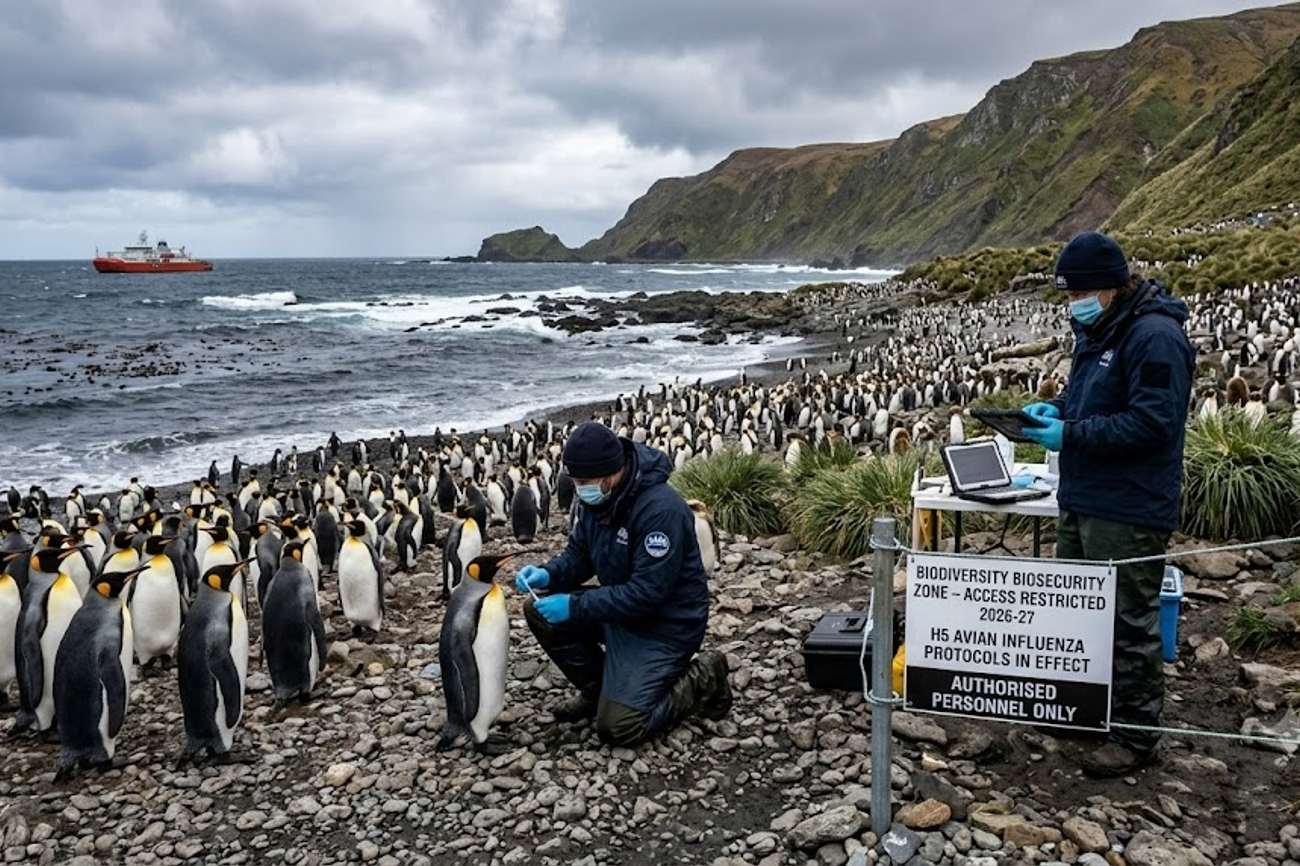
Image generated by AI
The Shift Toward Access Uncertainty
For years, the primary challenge for travelers eyeing the World Heritage-listed sub-Antarctic reserve of Macquarie Island was quota scarcity. Because it is not an open-access destination, visitors must book through approved educational tourism operators holding a Tasmania Parks and Wildlife Service (PWS) business licence and an Access Authority.
However, for the upcoming November 2026–March 2027 window, the challenge has shifted from scarcity to uncertainty. While Heritage Expeditions, PONANT, and Aurora Expeditions are the currently listed approved operators, the ability to actually step foot on shore now depends on volatile biosecurity conditions.
The regulatory ceiling remains strict: a maximum of 12 educational tourist ships per season, with no more than 200 passengers per ship. Furthermore, only one educational tourism ship is permitted within the reserve at any given time to minimize environmental pressure.
Biosecurity and the H5 Variable
The most significant disruption to the 2026–27 season is the threat of HPAI H5N1 (avian influenza). Under the March 2026 visitor guidelines, PWS rangers hold the authority to prohibit shore landings if H5 is detected among island wildlife.
Crucially, this power extends beyond the island's shores. PWS can restrict ships from entering reserve waters—including popular small-boat cruising areas like Lusitania Bay—if H5 presence in other regions, such as New Zealand or mainland Tasmania, is deemed a risk to the reserve or ranger operational capacity.
The urgency of these measures is underscored by recent data from the Tasmania Department of Natural Resources and Environment, which recorded 28 H5 bird-flu events by 4 September 2026. Detections included a silver gull at Strahan, a black-faced cormorant near Currie on King Island, and a peregrine falcon at Britton’s Swamp.
While the Australian Government reported on 28 August 2026 that H5 had not yet been detected on Macquarie Island, the Department of Climate Change, Energy, the Environment and Water warns of a high likelihood of significant wildlife mortality during the upcoming breeding season. This risk has already prompted the temporary withdrawal of 24 scientists and support personnel from the island research station, with the RSV Nuyina scheduled for retrieval in late September or early October.
Visitor Insider Tips
For those securing a spot on one of the limited vessels, navigating this fragile ecosystem requires specific preparation:
- The "Weather Window" Reality: While a typical visit is planned for two days, operators usually schedule a four-day window. Sub-Antarctic weather is unpredictable; be prepared for your shore excursion to shift by 48 hours.
- Strict Shore Hours: Landings are only permitted between 07:00 and 19:00 local station time. There is no overnight accommodation on land; all guests must remain aboard their vessel.
- Biosecurity Rigor: Expect extreme scrubbing protocols for all gear. In a high-alert H5 environment, any trace of organic matter from previous ports can lead to boarding delays.
- Observation Focus: If shore landings are cancelled due to H5, focus on the "small-boat" experience. Lusitania Bay offers world-class wildlife viewing from the water, provided PWS permits vessel entry.
Tourism Outlook
Macquarie Island is operating as a capacity-constrained conservation project rather than a traditional tourist destination. The current prioritization of the A$370 million Macquarie Island Station Project over tourism volume indicates a long-term strategy of "conservation first." Travelers should view a trip here not as a guaranteed itinerary, but as a conditional privilege dependent on the health of the regional ecosystem.
Explore More:
- [Sustainable Expedition Cruising Guidelines]
- [Sub-Antarctic Wildlife Conservation Efforts]
- [Tasmanian Remote Region Travel Permits]
Related Travel Guides
Disclaimer
This article is for informational and educational purposes only. It does not constitute legal, financial, or professional advice. While we strive to provide accurate and up-to-date information, travel policies, regulations, and conditions change rapidly. Always verify information with official sources before making travel decisions. Nomad Lawyer makes no representations about the accuracy, reliability, completeness, or suitability of the information provided. Readers should consult qualified professionals for advice specific to their circumstances. The views expressed in this article are those of the author and do not necessarily reflect the views of Nomad Lawyer.
Preeti Gunjan
Contributor & Community Manager
A passionate traveller and community builder. Preeti helps grow the Nomad Lawyer community, fostering engagement and bringing the reader experience to life.
Learn more about our team →