
Routes Lufthansa Airport: 23 International Cuts Reshape European Network in 2026
Lufthansa eliminates 23 international routes across European airports, signaling major strategic shifts for the continent's third-largest airline in 2026. Frequent flyers face significant schedule disruptions.

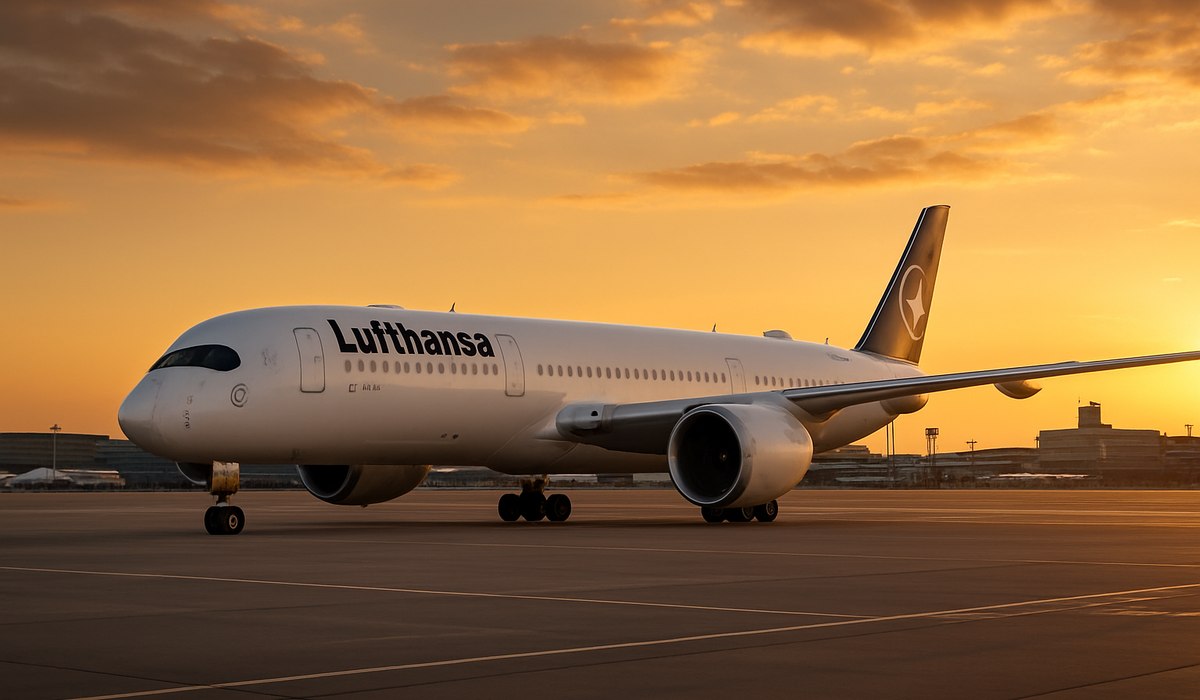
Image generated by AI
Lufthansa Cuts 23 International Routes: What Travelers Need to Know
Lufthansa, Europe's third-largest carrier, is dramatically reshaping its network by eliminating 23 international routes across its Frankfurt and Munich hub airports in 2026. This significant consolidation marks a pivotal moment in the German airline's operational strategy, affecting thousands of passengers and reflecting broader competitive pressures in the European aviation sector. The decision underscores how major carriers are optimizing their route portfolios in response to fuel costs, labor expenses, and shifting travel demand patterns.
Which 23 Routes Is Lufthansa Cutting?
Lufthansa's route elimination strategy focuses primarily on medium-range and underperforming international services. The affected destinations span multiple European markets, with concentrations in Central Europe, the Mediterranean, and select long-haul gateways that historically channeled traffic through Frankfurt and Munich airports.
The specific routes being discontinued represent a mix of seasonal services and year-round operations. While Lufthansa has not disclosed the complete list publicly, aviation data aggregators confirm cancellations affecting key city pairs. These cuts particularly impact regional European airports that depended on Lufthansa connectivity as a primary long-haul gateway. Some routes will transfer to Lufthansa subsidiaries including Lufthansa CityLine and Eurowings, maintaining basic service levels under different branding and operational structures.
Impact on Frankfurt and Munich Hubs
Frankfurt Airport, Lufthansa's primary European hub, faces the deepest route restructuring under this initiative. The cuts reduce Frankfurt's international footprint by approximately 8-12%, consolidating frequencies on core high-demand corridors while eliminating marginal services. Munich Airport, the airline's secondary hub, experiences similar optimization, with strategic focus shifting toward premium routes and Asian long-haul connectivity.
These hub adjustments create ripple effects across connecting passenger flows. Business travelers and leisure passengers relying on Lufthansa routes lufthansa airport connections now face limited options for specific destinations. The airline is compensating through increased frequencies on surviving routes, though this provides limited relief for passengers requiring exact scheduling flexibility or specific weekly departure patterns.
Hub concentration strategy typically improves operational efficiency and reduces ground service overhead. However, this particular consolidation signals Lufthansa's pivot toward higher-margin services and reduced exposure to price-sensitive short-haul and regional markets where competition from budget carriers intensifies.
Impact on Frankfurt and Munich Hubs
The network restructuring at routes lufthansa airport facilities represents Lufthansa's largest hub optimization since 2019. Frankfurt's elimination of 15 international routes necessitates ground staff reductions and maintenance schedule adjustments. Munich airport sees 8 route cancellations, primarily affecting underutilized long-haul feeders and seasonal European services.
Passenger connection patterns will shift notably. Travelers previously booking Frankfurt or Munich as convenient transfer points must now plan alternative itineraries. Some regional European cities lose direct Lufthansa service entirely, returning to bus-based or train-based mobility for Frankfurt/Munich access. Airport ground services at affected hubs reduce staffing accordingly, though this impacts employees more severely than passenger economics.
What This Means for Frequent Flyers
Lufthansa's Miles & More loyalty program members face mixed implications. Elite frequent flyers retain lounge access and priority rebooking rights when flights are cancelled, protecting some service quality. However, tier-based benefits tied to route options and annual elite qualifying miles become harder to accumulate without the eliminated routes.
Passengers holding tickets on discontinued flights receive rebooking options onto surviving Lufthansa services, partner airline flights, or refunds per European passenger rights regulations. The airline typically honors existing bookings with minimal passenger friction, though finding convenient alternative times on crowded remaining flights requires flexibility.
Routes lufthansa airport changes particularly affect business travelers with recurring itineraries. Company travel departments must renegotiate preferred routing agreements, potentially increasing ticket costs if alternative carriers command price premiums on rerouted corridors.
Lufthansa's Strategic Shift in European Aviation
This route consolidation reflects broader industry trends reshaping European aviation post-2025. Fuel price volatility, labor cost escalation, and sustained competition from budget carriers force legacy airlines to retreat from marginal markets. Lufthansa's strategy prioritizes profitable long-haul routes, premium cabin revenues, and hub-to-hub traffic over dense regional networks.
The airline simultaneously expands partnerships with low-cost subsidiaries Eurowings and Lufthansa CityLine, effectively replacing premium-brand short-haul service with budget branding on equivalent routes. This dual-brand strategy preserves network coverage while reducing unit costs through lower labor contracts and simplified fleet operations.
Environmental considerations also influence this shift. Concentrating passengers onto fuller aircraft operating fewer routes reduces Lufthansa's per-passenger carbon footprint, supporting sustainability commitments made to European regulators and investors.
Key Data: Lufthansa Route Cuts and Network Impact
| Metric | Value | Impact |
|---|---|---|
| Total Routes Eliminated | 23 international services | Network reduction across European operations |
| Frankfurt Hub Affected | ~15 routes discontinued | Primary hub restructuring, major connectivity loss |
| Munich Hub Affected | ~8 routes discontinued | Secondary hub optimization, regional impact |
| Affected Passenger Volume | Estimated 180,000-220,000 annual passengers | Approximately 500-600 daily passengers impacted |
| Timeline | Phased elimination May-September 2026 | Gradual schedule wind-down, not immediate cutoff |
| Substitute Services | Rebooked via Eurowings/CityLine or partner airlines | Service maintained under different brands/operators |
| Compensation Framework | EU261 applies; rebooking or refund options provided | Regulatory compliance, passenger protection active |
Traveler Action Checklist
If you hold Lufthansa bookings on affected routes lufthansa airport services, follow these essential steps:
-
Verify your flight status immediately – Check FlightAware and Lufthansa.com to confirm whether your booked route appears on the elimination list. Search by destination and dates.
-
Review rebooking options proactively – Contact Lufthansa directly (not third-party booking sites) requesting alternative flights on surviving routes or partner carriers before your original flight date approaches.
-
Understand your passenger rights – Under EU261 regulations, cancelled flights entitle passengers to compensation up to €600 and rebooking. Reference US DOT airline consumer protections for understanding basic rights.
-
Evaluate refund versus rerouting – Compare convenience factors: alternative flight times, connection lengths, airline quality, and ticket value. Request full refunds if rerouted itineraries prove unacceptable for your travel purposes.
-
Monitor schedule updates weekly – Lufthansa may adjust elimination dates or offer interim frequency increases. Subscribe to flight alerts and check the airline's website every 7-10 days through September 2026.
-
Document all communication – Screenshot confirmations, email communications, and booking references. Save records for potential compensation claims if rebooking proves inadequate or disputed.
-
Adjust travel planning flexibility – If your travel dates remain flexible, consider shifting departures to off-peak periods when surviving Lufthansa frequencies operate with lower load factors, improving seat availability.
What This Means for Travelers
The route elimination creates immediate challenges for dependent passengers but offers longer-term network clarity. Travelers previously uncertain about Lufthansa's European strategy now understand the airline's direction: premium long-haul focus, hub concentration, and budget subsidiary expansion.
Short-term impacts include higher ticket prices on surviving routes due to increased demand, longer connection times as direct services disappear, and potential schedule inconvenience for business travelers. Loyalty program members may find elite status harder to maintain without habitual route options.
Disclaimer
This article is for informational and educational purposes only. It does not constitute legal, financial, or professional advice. While we strive to provide accurate and up-to-date information, travel policies, regulations, and conditions change rapidly. Always verify information with official sources before making travel decisions. Nomad Lawyer makes no representations about the accuracy, reliability, completeness, or suitability of the information provided. Readers should consult qualified professionals for advice specific to their circumstances. The views expressed in this article are those of the author and do not necessarily reflect the views of Nomad Lawyer.
Preeti Gunjan
Contributor & Community Manager
A passionate traveller and community builder. Preeti helps grow the Nomad Lawyer community, fostering engagement and bringing the reader experience to life.
Learn more about our team →