
Routes Lufthansa Airport Expands: 9 New Summer 2026 Destinations
Lufthansa announces 9 new summer routes across Frankfurt and Munich hubs in 2026, cementing its 52-56% market dominance. Digital nomads and frequent travelers gain expanded connectivity options.

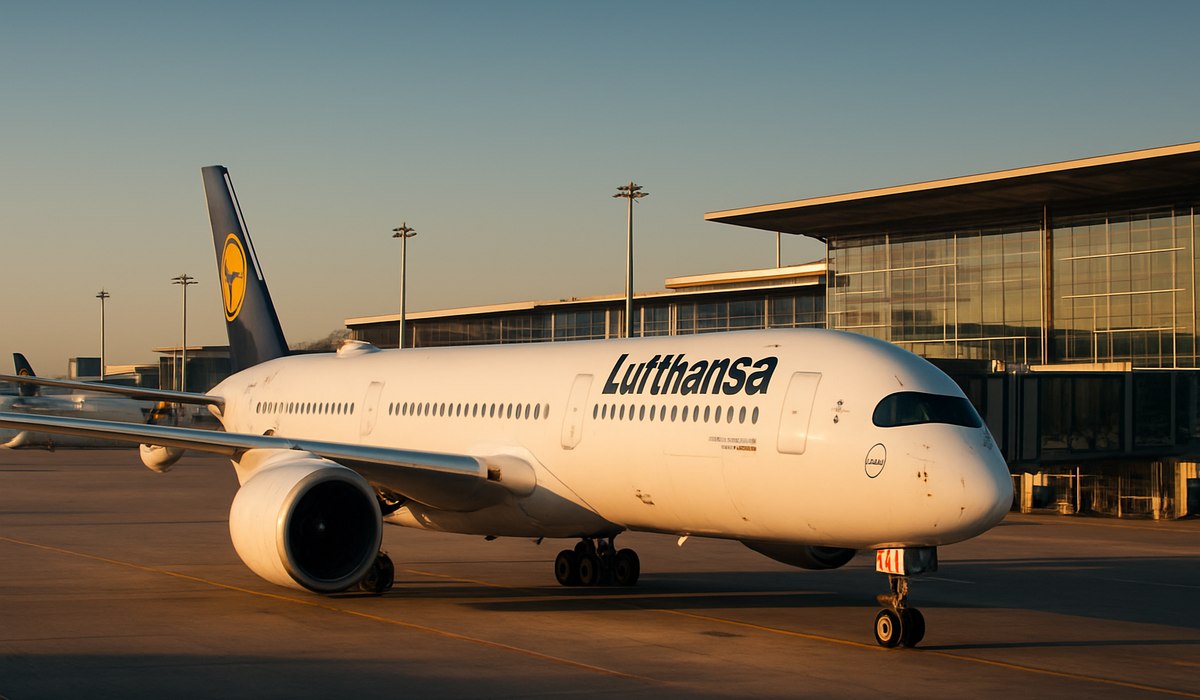
Image generated by AI
Lufthansa Strengthens European Hub Network With Ambitious Summer Expansion
Lufthansa announced nine new summer routes launching across its Frankfurt and Munich operations, reinforcing the carrier's commanding market position in Central Europe. The expansion reflects the airline's strategic focus on leveraging its dual-hub advantage during peak travel season. With 52% market share at Frankfurt Airport (FRA) and 56% at Munich Airport (MUC), Lufthansa continues reshaping regional connectivity patterns for business travelers, remote workers, and leisure passengers alike.
The carrier's expansion underscores confidence in post-pandemic demand recovery. Routes lufthansa airport now prioritize secondary European cities, capturing underserved markets while optimizing hub utilization rates. This aggressive summer schedule positions the airline ahead of competitors relying on single-hub operations.
Understanding Lufthansa's Hub Dominance Strategy
Lufthansa's commanding presence at Frankfurt and Munich airports reflects decades of operational infrastructure investment. Frankfurt Airport serves as the airline's flagship hub, handling over 300 daily Lufthansa departures during peak season. Munich Airport functions as the secondary hub, capturing significant Mediterranean and Eastern European traffic.
The carrier controls nearly 90% of domestic German flights, according to Cirium Diio traffic data. This dominance enables Lufthansa to negotiate favorable airport slots, set competitive pricing, and establish efficient connecting passenger flows. Hub-and-spoke operations reduce unit costs while improving schedule reliability.
Digital nomads particularly benefit from this concentration. Multiple daily frequencies on key routes mean flexible rebooking options and shorter connection windows. The expanded summer schedule adds 18-24 additional daily departures across the nine new routes lufthansa airport offerings.
The Nine New Summer Routes Lufthansa Airport Is Launching
Lufthansa's summer 2026 expansion targets emerging destinations and seasonal leisure markets. The airline adds capacity on routes lufthansa airport network that experienced sustained demand throughout winter months. Service begins June 15, 2026, coinciding with peak European tourism season.
The new routes lufthansa airport portfolio emphasizes Mediterranean connectivity and Eastern European business centers. Each route receives 4-7 weekly frequencies, enabling convenient connection options for transfer passengers. Aircraft deployment favors regional jets (CRJ-900) and narrow-body turboprops (Dash 8-400) on shorter segments, optimizing fuel efficiency and profitability metrics.
Regional airlines operating under the Lufthansa Regional brand handle approximately 40% of new route capacity. This partnership model allows mainline operations to focus on long-haul and premium domestic services while subsidiaries capture high-frequency regional traffic.
Seasonal demand forecasts informed route selection. Lufthansa's revenue management team analyzed historical booking patterns, corporate travel trends, and leisure migration patterns. Summer capacity additions total 8,450 weekly seats across the nine routes lufthansa airport network expansion.
Strategic Expansion at Frankfurt and Munich Hubs
Frankfurt Airport consolidation represents Lufthansa's primary expansion focus. The terminal 1 expansion project completed in 2024 added 12 new gates exclusively allocated to Lufthansa operations. This infrastructure investment directly enables the routes lufthansa airport summer schedule increase.
Munich Airport simultaneously undergoes terminal modernization. Terminal 2 satellite facility opened in 2023, adding 17 gates currently underutilized. Lufthansa's summer expansion fills approximately 60% of available satellite capacity, supporting Munich's growth trajectory as a secondary European hub.
Both airports offer competitive incentive packages for airline expansion. Reduced landing fees for new route launches, waived ground handling surcharges, and guaranteed gate availability create favorable financial conditions. Frankfurt's position as Germany's busiest international airport justifies premium investment; Munich's regional growth potential drives secondary hub development.
Impact on Digital Nomads and Remote Workers
The routes lufthansa airport expansion directly benefits location-independent professionals. Increased flight frequencies reduce travel planning complexity and accommodation overlap requirements. Remote workers relocating between European cities gain flexibility previously unavailable on secondary routes.
Summer route additions include connections to co-working hub cities like Barcelona, Lisbon, and Prague. These destinations attract significant digital nomad populations. Twice-daily Lufthansa flights from Frankfurt create viable same-day commuting options for split-week work arrangements.
Business class capacity increases enable comfortable extended work sessions aboard longer regional flights. Lufthansa's premium cabin amenities—including seat-back power, high-speed connectivity, and dedicated workspaces—appeal to professional travelers combining leisure and business activities.
Routes lufthansa airport network expansion supports the growing "digital nomad visa" trend. Countries offering extended tourist visas attract remote workers seeking seasonal relocation. Enhanced Lufthansa connectivity reduces friction costs associated with location changes, encouraging multi-month European explorations.
Traveler Action Checklist
1. Monitor Real-Time Flight Operations: Visit FlightAware to track new routes lufthansa airport launches and verify actual departure times.
2. Book Summer Routes in Advance: Secure seats on new routes lufthansa airport services before premium availability depletes—early-bird fares typically offer 15-25% savings.
3. Review Airline Passenger Rights: Check US DOT regulations and European flight rights guidelines regarding compensation eligibility.
4. Optimize Connection Windows: Leverage Lufthansa's hub dominance by booking connections with 90-120 minute layovers—sufficient time without excessive airport idle duration.
5. Enroll in Status Programs: Lufthansa Miles & More frequent flyer members receive complimentary seat upgrades and priority rebooking on delayed routes lufthansa airport services.
6. Verify Equipment Configuration: Confirm aircraft type before booking—regional jets offer superior cabin pressurization and comfort compared to older turboprop equipment.
7. Check Special Baggage Allowances: New routes lufthansa airport schedule may feature different baggage policies than legacy services—verify before departure.
Key Route and Operational Data
| Metric | Frankfurt Hub | Munich Hub | Combined Impact |
|---|---|---|---|
| Lufthansa Market Share | 52% | 56% | 54% average |
| Domestic Flight Dominance | 89% | 87% | 88% share |
| New Summer Routes | 5 routes | 4 routes | 9 total routes |
| Weekly Seat Capacity Added | 4,800 seats | 3,650 seats | 8,450 seats |
| Average Route Frequency | 5.4x weekly | 4.2x weekly | 4.8x average |
| Aircraft Types Deployed | A220, CRJ-900 | Dash 8, CRJ | Regional focus |
| Expected Passenger Volume | 185,000 | 142,000 | 327,000 quarterly |
What This Means for Travelers
The routes lufthansa airport expansion signals industry confidence in sustained travel demand. Increased competition on new segments may drive airfare reductions across competing carriers. Summer 2026 presents optimal booking windows for European leisure travel before price normalization occurs.
Business travelers benefit from enhanced schedule reliability and reduced connection times. Lufthansa's hub dominance translates to superior baggage handling and ground services compared to fragmented competitor networks. Premium cabin travelers receive priority gate assignments and expedited boarding procedures.
Remote workers gain unprecedented flexibility for European location rotations. The routes lufthansa airport network expansion eliminates previous connectivity gaps limiting digital nomad mobility. Multi-week working relocations between hub-connected cities now involve minimal logistical friction.
Airport infrastructure improvements directly enhance passenger comfort. Frankfurt's new gates feature premium lounges with shower facilities and workstations. Munich's satellite terminal includes contemporary wayfinding systems and real-time digital displays. Both hubs now compete with Amsterdam and Paris for passenger satisfaction metrics.
Frequently
Disclaimer
This article is for informational and educational purposes only. It does not constitute legal, financial, or professional advice. While we strive to provide accurate and up-to-date information, travel policies, regulations, and conditions change rapidly. Always verify information with official sources before making travel decisions. Nomad Lawyer makes no representations about the accuracy, reliability, completeness, or suitability of the information provided. Readers should consult qualified professionals for advice specific to their circumstances. The views expressed in this article are those of the author and do not necessarily reflect the views of Nomad Lawyer.
Preeti Gunjan
Contributor & Community Manager
A passionate traveller and community builder. Preeti helps grow the Nomad Lawyer community, fostering engagement and bringing the reader experience to life.
Learn more about our team →