
Breaking Airline News: Lufthansa Deploys Massive 75-Aircraft A350 Fleet to Shield European Travelers from Apocalyptic Travel Chaos
Breaking airline news: Amidst a terrifying era of severe capacity exhaustion, Lufthansa violently accelerates its Airbus alliance, deploying massive A350 reinforcements to shield European passengers from extreme travel chaos.

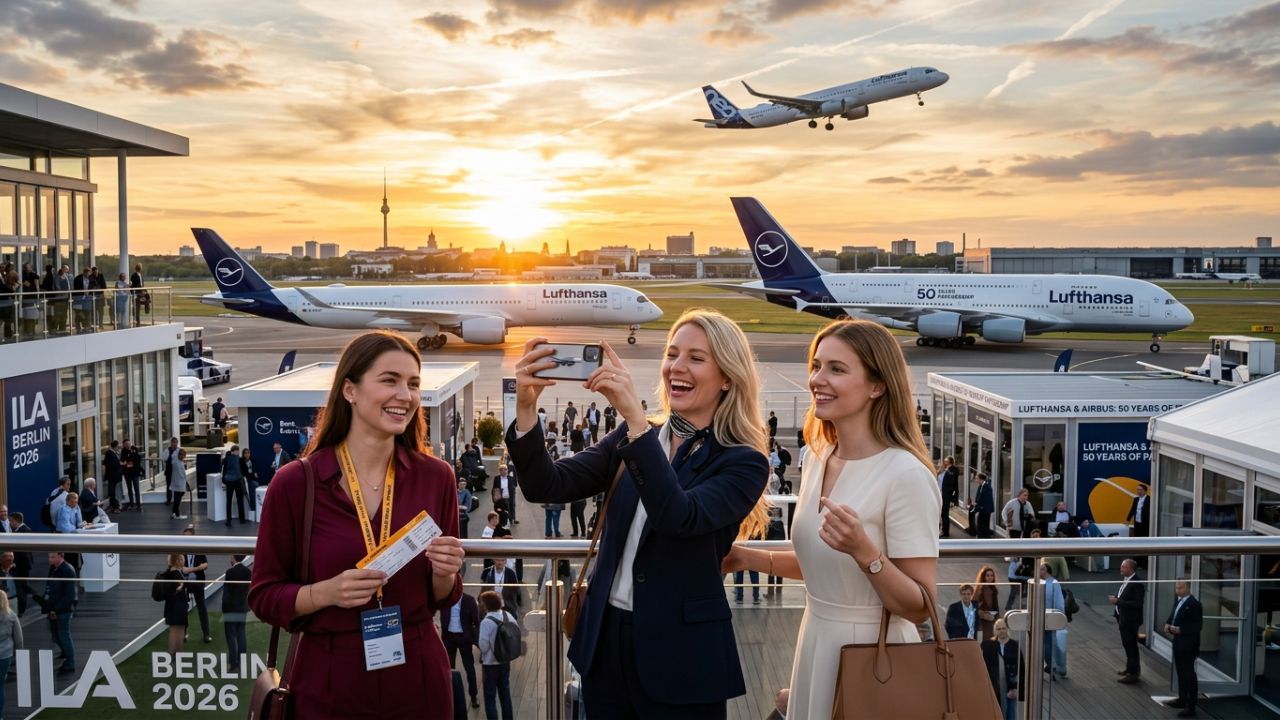
Image representing the intense strategic battle as the Lufthansa Group desperately injects massive Airbus A350 capacity into the European corridor, combating severe transit friction to prevent a massive operational meltdown.
Breaking Airline News: Lufthansa Deploys Massive 75-Aircraft A350 Fleet to Shield European Travelers from Apocalyptic Travel Chaos
As paralyzing terminal bottlenecks, terrifying airspace constraints, and severe operational fragility violently threaten to completely shatter passenger mobility across Europe, a formidable aviation power has executed a massive infrastructural defense. In a desperate bid to physically and psychologically rescue corporate executives and tourists from the terrifying threat of extreme travel chaos triggered by severe aircraft shortages and agonizing delays, the Lufthansa Group has aggressively fortified its 50-year alliance with Airbus. Operating from the high-stakes environment of the ILA Berlin Air Show, the German aviation titan announced a violent acceleration of its fleet modernization, confirming a firm order for 10 additional Airbus A350-900 aircraft. This critical acquisition, observed by Federal Chancellor Friedrich Merz, represents the ultimate weapon against the severe airport disruptions currently destroying the regional travel experience. By violently injecting heavily fortified, highly reliable widebody capacity into the market, and executing a massive maintenance pact for its regional A220 fleet, Lufthansa is actively building an impenetrable shield against the agonizing misery and physical degradation defining legacy European transit.
In a harrowing display of modern aviation vulnerability, the sheer logistical nightmare of attempting to navigate essential European corridors has historically forced passengers into terrifying transit scenarios. For years, securing a reliable ticket meant risking extreme physical exhaustion—navigating violently overloaded terminals, staring at departure boards during rolling delays caused by aging aircraft breakdowns, and arriving at the destination completely drained by the threat of flight cancellations. However, Lufthansa is aggressively fighting back against this structural paralysis. Tracing its alliance back to the delivery of its first A300 in 1976, the carrier is now preparing to receive its 700th Airbus aircraft later this year. Travelers now possess the absolute assurance that once they breach the doors of these newly deployed A350s, they are physically shielded from the devastating effects of paralyzed transport networks, ensuring they land perfectly recovered and completely insulated from the terrifying threat of infrastructure-induced stress.
Expanded Overview: The Massive Scale of the Fleet Defense
The terrifying crisis of overwhelming passenger stress currently gripping the global travel network brutally exposes the severe limitations of legacy carriers operating outdated hardware. Recognizing that aggressively forcing millions of passengers onto aging, maintenance-heavy aircraft leads directly to severe psychological friction and broken itineraries, Lufthansa’s massive operational launch fundamentally rewrites the European matrix. Lars Wagner, CEO Commercial Aircraft at Airbus, confirmed the massive scale of this deployment, stating, "Today, we are working together towards the delivery of the 700th aircraft for the Lufthansa Group which is scheduled for later this year." Furthermore, Carsten Spohr, CEO Lufthansa Group, aggressively defended the strategy: "Over the past half-century, we have not only taken delivery of more aircraft from Toulouse and Hamburg than any other airline in the world, but have also supported the development of numerous aircraft models as launch customers."
Section-Wise Breakdown: The Operational Realignment
Shattering the European Gridlock: The 50-Year Airbus Shield
To survive the terrifying surge in global travel demand without triggering immediate terminal meltdowns, Lufthansa is heavily fortifying its footprint. The carrier maintains a massive, versatile fleet spanning the A220, A300, A320 family, A330/A340, A350, and A380 models. By constantly acting as the launch operator for these critical lifelines, Lufthansa violently bypasses the travel chaos associated with waiting for unproven hardware. This 50-year shield ensures that when European airspace locks up, Lufthansa possesses the sheer mechanical reliability required to extract its passengers from the gridlock.
Deploying the Capacity Fortress: The A350-900 Expansion
Looking beyond the historical context, the program executes a massive secondary defense strategy targeting physical capacity and passenger endurance. The firm order for 10 additional A350-900 aircraft violently pushes the group's total A350 order to 75 aircraft, which critically includes the highly anticipated A350-1000. This hardware acts as a massive sanctuary against the claustrophobic exhaustion of modern airports, ensuring that passengers are extracted safely across long-haul routes without enduring the terrifying gauntlet of mechanical flight cancellations.
Securing the Regional Extraction: The A220 Maintenance Pact
This massive infrastructural shift is heavily defined by its commitment to mitigating regional passenger stress. The landmark agreement signed at the ILA Berlin Air Show, in the presence of Federal Chancellor Friedrich Merz, goes far beyond simply buying planes. Lufthansa executed a massive, comprehensive component services arrangement for its entire Airbus A220 fleet. This brutal efficiency mandate ensures seamless maintenance for the smallest Airbus in the collection, effectively eliminating the mechanical groundings that trigger terrifying travel chaos on short-haul European connections.
The Sustainability Defense: Weaponizing SharkSkin Technology
The strategic implications of this fleet overhaul extend into extreme operational efficiency. Both Airbus and Lufthansa showcased a massive technological defense on the A330 model: the SharkSkin aircraft coating. Inspired by the microstructure of shark skin, this innovation violently reduces aerodynamic drag. By burning less fuel, Lufthansa aggressively insulates itself from terrifying fuel supply shocks and price spikes, ensuring its aircraft remain airborne when competitors are forced to ground their fleets.
Lufthansa Group Disruption Mitigation Matrix
To fully comprehend the massive logistical and strategic fallout of this terrifyingly efficient network defense, corporate travel managers and affected tourists must review the exact operational metrics defining the Lufthansa capacity strain. The following matrix provides a granular breakdown of the specific, officially verified aircraft data driving this massive disruption mitigation effort.
| Operational Defense Metric | Verified Infrastructure Data / Disruption Focus |
|---|---|
| Primary Aviation Alliance | Lufthansa Group and Airbus (50th Anniversary marked at ILA Berlin Air Show) |
| Historical Benchmark | Partnership began in 1976 with first A300 delivery |
| 2026 Operational Milestone | Delivery of 700th Airbus aircraft scheduled for later this year |
| New Fleet Acquisition | Firm order for 10 additional Airbus A350-900 aircraft |
| Total A350 Deployment | Increased to 75 aircraft (including highly anticipated A350-1000) |
| Regional Reliability Defense | Comprehensive component services arrangement for entire A220 fleet |
| Operational Efficiency Upgrade | SharkSkin aircraft coating showcased on A330 model |
Passenger Impact: Surviving the Regional Jump
For the thousands of global executives attempting to navigate the rapidly collapsing transit corridors of Europe, this massive fleet modernization represents a highly anticipated lifeline against severe delays. The brutal reality of enduring a terrifyingly sudden cancellation because an aging short-haul jet failed a maintenance check inflicts intense psychological stress—leaving the passenger entirely stranded and missing critical scheduled events. By aggressively booking tickets on Lufthansa’s heavily fortified new A350s or its immaculately maintained A220 fleet, passengers drastically reduce their exposure to these terrifying logistical environments, securing a highly reliable connection that completely bypasses the domino effect of regional travel chaos.
Survival Guide for Corporate Travelers
Travelers desperately preparing to navigate the modernized global network must immediately execute the following survival protocols:
- Violently Demand Modern Aircraft: If you are booking a long-haul extraction, you must aggressively filter your searches to guarantee you are flying on Lufthansa's newly deployed A350-900 or A350-1000 aircraft. Do not accept older, legacy aircraft that possess a higher statistical probability of mechanical-induced flight cancellations.
- Leverage the A220 Shield: For short-haul European hops, passengers must violently exploit the reliability of the A220 fleet. Because Lufthansa has secured a massive component services arrangement, these specific aircraft are highly insulated from the maintenance delays that currently plague competitor fleets.
- Anticipate the European Surge: As Lufthansa aggressively deploys these advanced aircraft, corporate travelers must aggressively book these flights early to secure a highly insulated corridor that entirely bypasses the severe congestion plaguing legacy European hubs.
Industry Analysis: The Economics of Tactical Fleet Overhauls
From a strategic aviation perspective, the travel turmoil currently threatening Europe highlights the terrifying vulnerability of airlines that refuse to rapidly modernize. Industry analysts confirm that Lufthansa’s massive decision to acquire 10 more A350s and secure its A220 supply chain is a highly aggressive, tactical response designed to completely dominate the sector. By deploying massive, reliable direct capacity, the airline completely avoids the massive financial bleeding associated with rebooking passengers stranded by mechanical delays, effectively shielding their profit margins while monopolizing elite regional travel.
Conclusion: A Strategic Retreat to Ensure Aviation Survival
As the extremely critical global travel season accelerates, the massive fleet announcements executed by Lufthansa and Airbus represent a massive warning to competitors attempting to force passengers onto unreliable, aging aircraft. The aggressive maneuvering proves that capturing market dominance requires terrifyingly swift and highly optimized hardware deployments, utilizing advanced A350 aircraft and SharkSkin coatings to connect passengers safely across the globe while shielding them from the brutal reality of regional terminal unreliability. For the modern global executive booking their tickets, utilizing this tactically superior hardware offers an incredibly secure, highly insulated way to execute flight discovery. By acting aggressively to secure tickets on this newly fortified fleet, travelers can successfully survive intense travel surges and completely avoid the paralyzing physical threat of global travel chaos.
Key Takeaways
- Massive Tactical Deployment: Lufthansa Group violently accelerated its 50-year Airbus partnership by confirming a firm order for 10 additional A350-900 aircraft.
- Crushing the Capacity Bottleneck: The order pushes the airline's total A350 commitment to 75 aircraft, including the massive A350-1000, shielding long-haul passengers from mechanical disruptions.
- Strategic Regional Defense: A highly aggressive component services arrangement for the entire A220 fleet will drastically reduce maintenance-related flight cancellations on short-haul routes.
- Massive Efficiency Leap: The deployment of the A330 SharkSkin coating acts as a critical defense mechanism, violently reducing fuel burn and operational vulnerability.
- Traveler Advisory: Global tourists and executives must aggressively book flights exclusively on these newly deployed, highly maintained Airbus models to completely bypass the extreme congestion and severe logistical failure plaguing legacy aircraft operations.
Related Travel Guides
Disclaimer
This article is for informational and educational purposes only. It does not constitute legal, financial, or professional advice. While we strive to provide accurate and up-to-date information, travel policies, regulations, and conditions change rapidly. Always verify information with official sources before making travel decisions. Nomad Lawyer makes no representations about the accuracy, reliability, completeness, or suitability of the information provided. Readers should consult qualified professionals for advice specific to their circumstances. The views expressed in this article are those of the author and do not necessarily reflect the views of Nomad Lawyer.
Kunal K Choudhary
Co-Founder & Contributor
A passionate traveller and tech enthusiast. Kunal contributes to the vision and growth of Nomad Lawyer, bringing fresh perspectives and driving the community forward.
Learn more about our team →