Louisville Teams Up with Paducah, Owensboro and More Kentucky Cities Now Transforming New Tourism Organs Supercharging Travel Sector

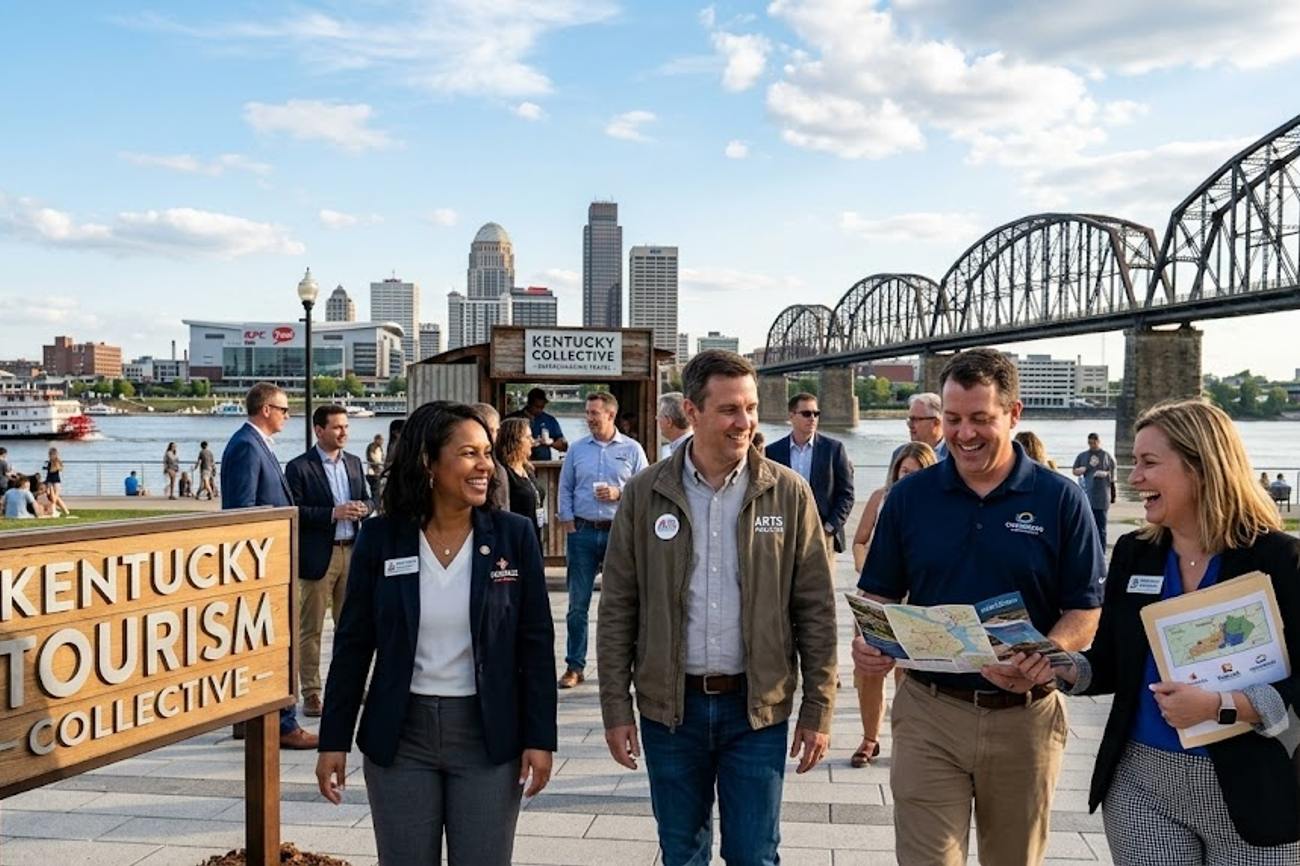
Image generated by AI
Kentucky's strategic shift toward decentralized tourism has seen a transition from single-attraction visits to multi-city itineraries, mirroring a broader US trend where secondary markets are capturing a larger share of traveler spend. While traditional hubs like Louisville once dominated the state's visitor metrics, the coordinated expansion of tourism organizations in Paducah, Owensboro, and Somerset indicates a move toward a "cluster model" of travel. This systemic shift is designed to increase the average length of stay (ALOS) by distributing high-value assets—such as bourbon distilleries and heritage sites—across a wider geographic footprint.
The Kentucky Tourism Pivot in Numbers
The current transformation of Kentucky's travel sector is anchored by a shift in infrastructure and marketing strategy. In Louisville, the transition from driver-centric to pedestrian-centric navigation is a primary indicator of this change. On September 21, 2026, the Louisville Downtown Partnership (LDP) and Louisville Tourism launched a redesigned wayfinding system. This project involved the refacing of 20 existing signs and the installation of 3 entirely new signs, replacing a legacy system that had been in place since 2007.
This infrastructure update is not merely cosmetic; it is a data-driven attempt to increase "dwell time" within specific high-value districts. The new signage explicitly directs foot traffic toward seven key zones:
- Historic West Main & Whiskey
- Waterfront Park
- NuLu
- Butchertown
- Fourth Street
- Civic Center
- LOUMED
By integrating QR codes that link to interactive maps of hotels, dining, and retail, Louisville is attempting to convert passive visitors into active explorers. This mirrors global trends reported by the World Tourism Organization (UNWTO), where "smart destination" management is used to reduce congestion in primary hubs and push visitors toward underutilized local businesses.
Regional Benchmarks and Market Shifts
The movement toward "experience-driven travel" in Kentucky is a response to a wider market movement where authenticity and local identity now outweigh generic sightseeing. The state is no longer relying solely on the Kentucky Derby or the Louisville Slugger Museum & Factory to drive numbers. Instead, it is leveraging a diversified portfolio across multiple cities to create a regional circuit.
The following table illustrates the strategic differentiation currently being deployed across Kentucky's primary tourism nodes to avoid market cannibalization:
| Destination | Primary Market Driver | Secondary Growth Lever | Infrastructure Focus |
|---|---|---|---|
| Louisville | Bourbon & Horse Racing | Urban Pedestrianism | Wayfinding & District Branding |
| Lexington | Equestrian Industry | Bluegrass Heritage | Rural-Urban Integration |
| Paducah | Creative Arts/Identity | Riverfront Commerce | Cultural Branding |
| Owensboro | Music & Culinary Arts | Riverfront Development | Experience-Based Tourism |
| Somerset | Outdoor Recreation | Distillery Expansion | Nature-Based Infrastructure |
This regional specialization is a critical hedge against the volatility of single-industry tourism. According to data trends often tracked by STR, destinations that diversify their "attraction mix"—combining heritage (bourbon), nature (Somerset), and arts (Paducah)—typically see more stable occupancy rates across all four quarters compared to those relying on seasonal events.
Practical Traveler Advisory and Strategic Insights
For the individual traveler, the professionalization of these secondary Kentucky markets means that "off-the-beaten-path" travel is becoming more accessible and structured. The transition from driver-focused signage to pedestrian-friendly navigation in Louisville suggests that the city is now optimized for the "slow travel" movement.
Actionable Booking Advice:
- Shift Your Itinerary Logic: Rather than treating Louisville or Lexington as a standalone stop, plan a "Kentucky Circuit." The coordinated marketing between Louisville, Paducah, and Owensboro is designed to facilitate multi-city trips.
- Prioritize Pedestrian Zones: In Louisville, focus your hotel bookings near the newly signed districts like NuLu or Butchertown. The 2026 infrastructure updates make these areas significantly more navigable on foot, reducing the need for rental cars in the downtown core.
- Leverage Digital Integration: Use the QR-integrated wayfinding systems upon arrival. These tools provide real-time data on local businesses that may not be indexed on global platforms, allowing for a more authentic "local" experience.
- Timing Your Visit: With the expansion of distillery tourism in Somerset and the "Urban Bourbon Experience" in Louisville, peak demand for spirits-related lodging is increasing. Booking 12-16 weeks in advance for bourbon-centric trips is now recommended to avoid the price surges associated with these high-demand clusters.
Forward Projection: The "Cluster Effect"
Based on the current trajectory, Kentucky is moving toward a "hub-and-spoke" tourism model. Louisville and Lexington serve as the primary hubs (the "spokes" being the smaller cities like Paducah and Owensboro). This strategy is designed to capture a higher percentage of the "experience seeker" demographic, a segment that the WTTC identifies as the fastest-growing cohort in post-pandemic travel.
We can expect to see a continued increase in public-private partnerships aimed at "wayfinding" and "connectivity." The success of the September 2026 Louisville signage rollout will likely serve as a blueprint for other Kentucky cities. If the data shows an increase in foot traffic and spending within the highlighted districts (such as Historic West Main & Whiskey), expect similar pedestrian-centric investments in Lexington and Owensboro by 2027.
Furthermore, the integration of "Outdoor Adventures" in Somerset suggests that Kentucky is positioning itself to compete with other Appalachian and Midwestern destinations for the "adventure travel" market. This diversification reduces the state's reliance on the traditional bourbon circuit and opens the door for longer-term stays, shifting the visitor profile from a 2-day "city break" to a 7-10 day "regional exploration."
FAQ: Kentucky Tourism Trends 2026
Will hotel prices increase in secondary cities like Paducah and Owensboro? Yes. As these cities "supercharge" their tourism organizations and improve infrastructure, demand will rise. Travelers should expect a moderate increase in ADR (Average Daily Rate) as these destinations move from niche to mainstream.
Is it better to rent a car or use public transport in Louisville? The 2026 wayfinding updates heavily favor pedestrians and TARC bus users. While a car is necessary for visiting rural distilleries, the downtown core is now designed for walking and cycling.
Which cities are best for bourbon enthusiasts beyond Louisville? While Louisville offers the "Urban Bourbon Experience," Lexington and Somerset are expanding their distillery and tasting footprints. A multi-city itinerary is now the most efficient way to experience the state's spirits industry.
When is the best time to visit these emerging destinations? To avoid the crowds associated with the Kentucky Derby and peak bourbon season, consider visiting during the "shoulder seasons" (spring and autumn), when the new outdoor and heritage experiences in Somerset and Paducah are most appealing.
The shift from driving through Kentucky to walking through its culture marks the beginning of a new era in American regional tourism.
Tags: Kentucky-Tourism-Growth-2026, Louisville-Pedestrian-Infrastructure, Bourbon-Tourism-Diversification, US-Secondary-Market-Travel, Destination-Marketing-Clusters
Related Travel Guides
- Netherlands Alongside Spain and Two European Countries Generate €403 Million Tourism Boost Through Pride Celebrations
- Four Seasons Westlake Village Unveils its Alpine-Inspired Festive Season with New Holiday Experiences
- Hilton Transforms Naples Grande Beach Resort Into Signia Hilton Naples Grande Beach Resort in 2027
This article is for informational purposes. Flight routes, passenger regulations, visa rules, and transit advisories are subject to change by airlines and aviation authorities. Readers are advised to verify schedules and travel documentation with relevant carriers and border agencies before departure.
Related Stories

Marriott Unveils 2026 Holiday and New Year Programmes Across 11 Luxury Resorts in the Americas
EU Probes Booking.com Under Digital Services Act Over Fake Hotel Listings, Hijacked Reservations, and Search Ranking Transparency