Netherlands Alongside Spain and Two European Countries Generate €403 Million Tourism Boost Through Pride Celebrations

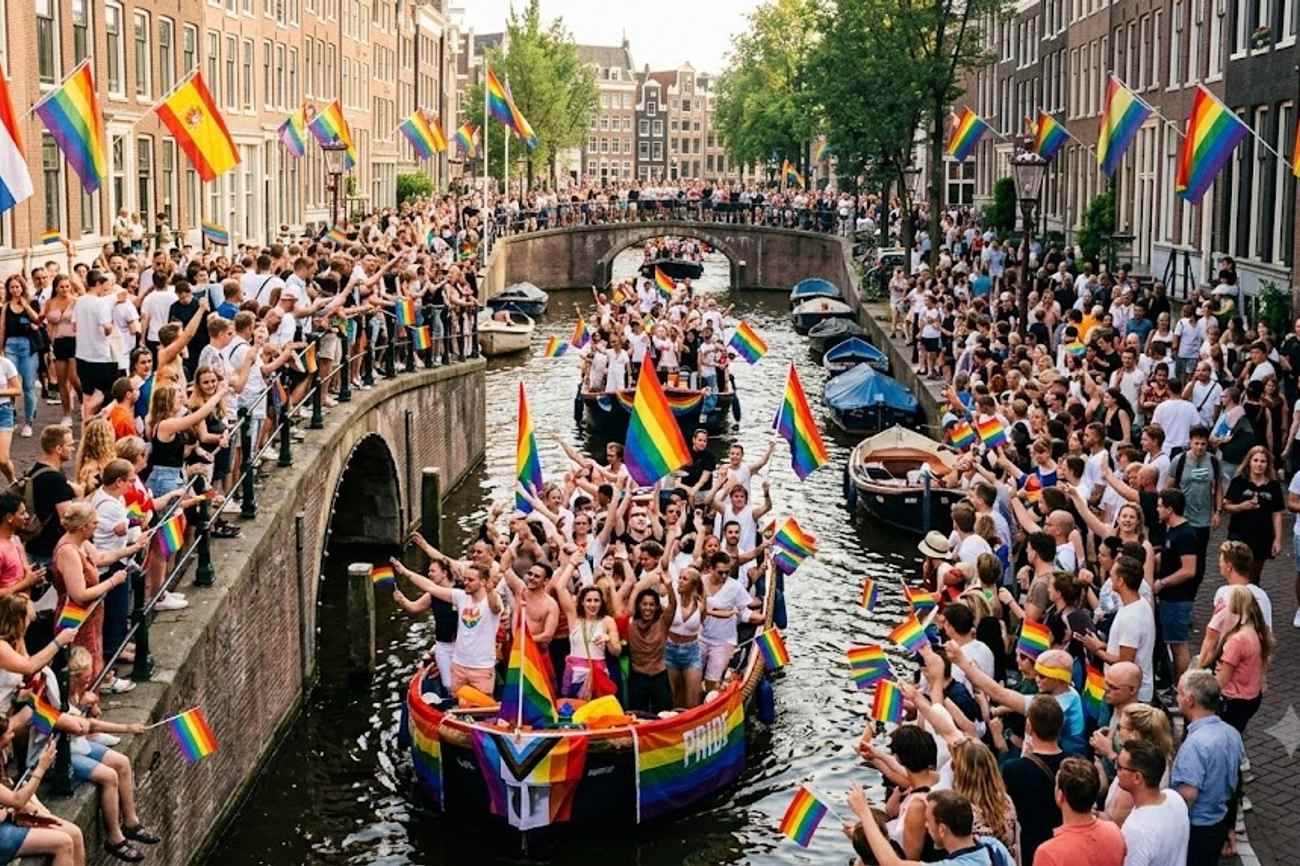
Image generated by AI
403 million euros in additional tourist expenditure flowed into the economies of the Netherlands, Spain, the UK, and Germany as a direct result of LGBTQ+ friendly tourism. This massive financial infusion, driven by six million Pride visitors, underscores a shifting paradigm where social inclusivity is no longer just a matter of policy, but a primary driver of urban GDP and international competitiveness.
The Economics of Inclusion in European Hubs
The intersection of human rights and hospitality has evolved into a sophisticated economic engine. According to a comprehensive analysis by Data Appeal Mabrian in partnership with Queer Destinations, the cities of Amsterdam, Madrid, London, and Cologne have transitioned from mere hosts of annual parades to global powerhouses of "inclusive tourism." This trend represents a strategic shift in how municipal governments and tourism boards view LGBTQ+ events; they are now treated as high-yield catalysts for economic growth.
The data suggests that these events do more than provide a temporary spike in hotel occupancy. They fundamentally alter the reputation of a city, positioning it as a "safe harbor" for a demographic known for higher-than-average discretionary spending. By institutionalizing tolerance, these destinations attract a global audience that seeks socially responsible tourism options, thereby securing long-term loyalty and repeat visitation. For the World Tourism Organization (UNWTO), this aligns with broader trends of diversifying tourism products to reach niche, high-value markets.
Sectoral Breakdown of Pride Expenditure
The financial impact of these celebrations is not evenly distributed across all industries. The most striking pattern across all four analyzed cities is the dominance of the food and beverage sector. In nearly every instance, catering, restaurants, and cafés captured the lion's share of visitor wallets, often exceeding 60% of total spending.
The following data outlines the specific economic footprints of the analyzed hubs:
| City | Estimated Visitors | Additional Expenditure | Primary Spending Driver (Catering) | Other Key Drivers |
|---|---|---|---|---|
| Amsterdam | Not Specified | €78.5 Million | High (77% of total region spend) | Hotels, Transport |
| Madrid | 2 Million+ | Not Specified | 61% | Accom. (20%), Trans. (19%) |
| London | 1 Million+ | €86.2 Million | 62% | Trans. (21%), Accom. (17%) |
| Cologne | 1.2 Million | Not Specified | 58% | Transport (28%) |
Amsterdam's WorldPride 2026 performance was particularly anomalous, accounting for approximately 77% of the total tourism spending associated with Pride events across the analyzed destinations. This suggests that "World" branded events create a multiplier effect, drawing a more international and affluent crowd than standard annual city prides.
Expert Analysis: The "Safe Harbor" Pricing Premium
From a senior editorial perspective, the data reveals a critical correlation between perceived safety and spending elasticity. When travelers visit a destination where they feel "respected and valued," their willingness to spend on premium experiences increases. This is most evident in the London data, where the International Air Transport Association (IATA) standards for international connectivity meet a high-cost urban environment. The €86.2 million generated in London is not merely a result of volume, but a reflection of the city's ability to leverage its premium hospitality infrastructure to extract higher average spends per visitor.
For travelers booking these routes, the direct consequence is a seasonal surge in "dynamic pricing." Hotels and transport providers in Madrid and London are increasingly aware that Pride visitors are less price-sensitive when the value proposition includes a guaranteed inclusive environment. This creates a pricing pressure that elevates costs across the board during festival windows.
Furthermore, the Cologne case study provides a masterclass in efficiency. Despite accounting for less than 1% of the total events analyzed, Cologne captured 14% of the total additional spending. This indicates that a concentrated, high-impact program is more economically viable than a fragmented series of smaller events. For the modern nomad or traveler, this means that "boutique" pride destinations may offer a more curated and high-value experience than the sprawling, over-saturated events in larger capitals.
The Netherlands, alongside Spain, Germany, and Italy, has generated a significant tourism boost of €403 million through Pride celebrations, attracting a large number of visitors from around the world. According to the European Travel Commission, these events have become a major draw for tourists, with many travelers planning their trips around Pride celebrations. As a result, hotels and accommodations in these countries often see a significant increase in bookings during this time.
Key Takeaways
- Catering Dominance: Food and beverage services are the primary beneficiaries of LGBTQ+ tourism, consistently capturing between 58% and 62% of additional visitor spending.
- The WorldPride Multiplier: Amsterdam’s hosting of WorldPride 2026 demonstrated that global-scale events can monopolize regional spending, accounting for 77% of the analyzed expenditure.
- Volume vs. Value: While Madrid saw the highest raw attendance (over 2 million), London’s higher price points contributed to a massive €86.2 million injection.
- Efficiency in Cologne: Cologne proved that a lean event schedule can still yield significant results, generating 14% of regional spend with minimal event volume.
- Reputational Capital: Beyond the €403 million total, these events serve as long-term marketing tools that enhance a city's global reputation for inclusivity.
FAQ: LGBTQ+ Tourism Europe 2026
Why are hotel prices so high during Pride in London and Madrid? High demand from over a million visitors creates a supply shortage. Because these travelers prioritize inclusive environments, hotels utilize dynamic pricing to maximize revenue during the peak festival window.
Which European city is the most economically efficient for Pride events? Cologne is the most efficient. It generated 14% of the total analyzed spending despite hosting less than 1% of the total events, proving that quality of programming outweighs quantity.
What is the biggest spending category for Pride tourists? Dining and catering. Across all four cities, food and beverage businesses received the largest share, typically accounting for roughly 60% of all additional tourist expenditure.
How does WorldPride differ from a standard city Pride? WorldPride is a global gathering that attracts a significantly larger international audience. In Amsterdam, this resulted in €78.5 million in spending, dwarfing standard annual celebrations.
The business of belonging has become one of Europe's most profitable exports.
Related Travel Guides
This article is for informational purposes. Flight routes, passenger regulations, visa rules, and transit advisories are subject to change by airlines and aviation authorities. Readers are advised to verify schedules and travel documentation with relevant carriers and border agencies before departure.
Related Stories

Marriott Unveils 2026 Holiday and New Year Programmes Across 11 Luxury Resorts in the Americas
EU Probes Booking.com Under Digital Services Act Over Fake Hotel Listings, Hijacked Reservations, and Search Ranking Transparency