
Los Cabos Luxury Travel Guide: Marine Sanctuaries, Desert Canyons, and Baja Gastronomy
Los Cabos establishes a new luxury travel benchmark in Baja California Sur, connecting Sea of Cortés marine sailing with Fox Canyon hikes and farm-to-table cuisine.

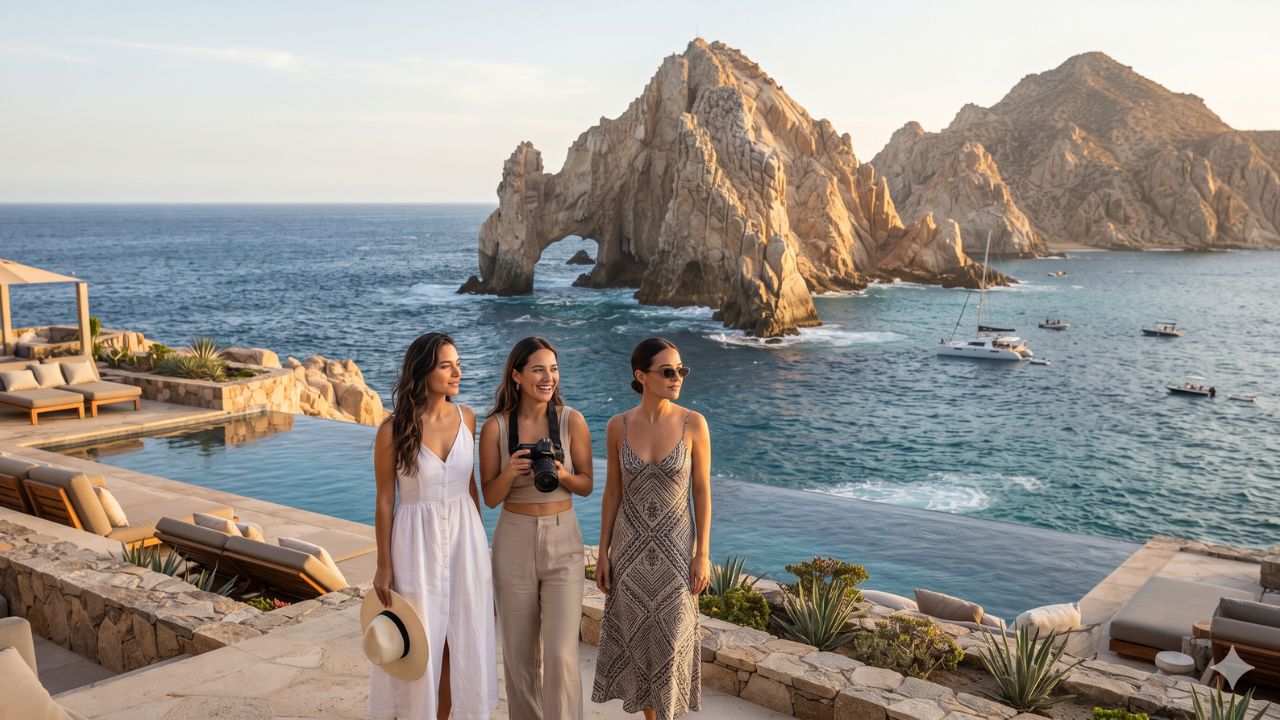
Anchored by an agricultural footprint yielding more than 60 organic crops daily at pioneer farm-to-table retreats and commanding Latin America's highest resort average daily rates along its 20-mile Tourist Corridor, Los Cabos has evolved into a premier dual-ecosystem luxury sanctuary. Situated at the southern termination of the Baja California Peninsula where the Pacific Ocean collides with the biodiverse waters of the Sea of Cortés, the Mexican municipality balances two contrasting civic identities. Cabo San Lucas anchors deep-water maritime marinas, recreational sailing, and high-energy oceanfront nightlife, while the historic municipality of San José del Cabo preserves eighteenth-century adobe architecture, independent fine art galleries, and slow-paced regional gastronomy.
Promoted internationally by the Los Cabos Tourism Board and backed by the state framework of the Secretaría de Turismo de Baja California Sur, the destination has systematically diversified beyond conventional beachfront sun-and-sand holidays. By linking marine national monuments with backcountry granite canyons and live-fire culinary concepts, Los Cabos captures high-yield international travelers seeking both remote physical adventure and refined hospitality.
The Dual-Pole Geography: Balancing Cabo San Lucas Marinas with San José del Cabo Heritage
The foundational appeal of Los Cabos stems from its bifurcated urban geography. Spanning approximately 32 kilometers along the southern tip of the peninsula, the destination is divided into two distinct poles connected by the coastal highway of the Tourist Corridor.
Cabo San Lucas serves as the maritime entertainment engine of the region. Encircling a world-class marina hosting luxury superyachts and sportfishing fleets, the city provides direct access to Land's End. Here, the granite sea stack of El Arco marks the exact geographic convergence of the open Pacific and the Sea of Cortés. Daily catamaran charters, private sailing sloops, and guided dive boats depart continuously from the marina, navigating around Pelican Rock, Neptune’s Finger, and Lover’s Beach. Cliffside dining institutions such as Sunset Monalisa punctuate the headlands, framing multi-tiered Italian dining terraces directly opposite El Arco as evening light illuminates the coastal cliffs.
Thirty minutes northeast along the corridor, San José del Cabo offers a quiet, culturally focused counterpoint. Built around the historic 1730 Jesuit mission church and a shaded central zócalo, the colonial town center operates as Baja California Sur's primary creative district. Independent painters, sculptors, and indigenous textile cooperatives maintain working studios across cobblestone avenues.
The town's culinary renaissance is exemplified by Limo, an open-air restaurant in San José del Cabo that centers its menu entirely on wood fire, cast-iron hearths, and indigenous regional livestock. Drawing direct inspiration from the rustic traditions of Mexican vaqueros and South American gauchos, the kitchen blends historic open-flame techniques with refined contemporary plating.
Hinterland Topography and Marine Ecology: Fox Canyon Treks and Sea of Cortés Sailing
Beyond coastal beaches, the interior geography of Baja California Sur presents rugged outdoor alternatives. Leading this backcountry expansion is Cañón de la Zorra, commonly known as Fox Canyon, located within the foothills of the Sierra de la Laguna biosphere reserve:
- Granite Hiking Trails: Guided walking routes wind through steep rock ravines, exposing ancient geological strata and rare desert vegetation, including giant cardón cacti, wild fig trees, and endemic desert scrub.
- Freshwater Desert Oases: Unlike the arid desert floor, the canyon is fed by perennial mountain springs that form cascading waterfalls and deep, clear freshwater swimming pools carved into natural granite basins.
- Rancho Gastronomy: Excursions into the canyon frequently integrate rustic ranchero dining experiences, where local families serve handmade corn tortillas, pit-roasted meats, and regional artisanal cheeses.
Concurrently, the culinary identity of Los Cabos has embraced hyper-local agritourism. Acre Resort, located in the agricultural foothills outside San José del Cabo, demonstrates how luxury hospitality can merge with regenerative farming. The property incorporates an operational 25-acre organic farm that produces more than 60 organic varieties daily, including heirloom vegetables, culinary herbs, citrus, and edible flowers directly supplying its open-air restaurant and craft cocktail program.
The high-end accommodation market integrates these environmental contrasts through architectural privacy:
| Resort / Destination Venue | Geographic Zone & Setting | Key Facilities & Signature Offerings | Operational & Traveler Inclusions |
|---|---|---|---|
| Marquis Los Cabos | Tourist Corridor (Oceanfront) | All-suite adults-only accommodations, infinity beachfront pools | Custom spa therapies, fine-dining restaurants, unobstructed open ocean vistas |
| Acre Resort | San José del Cabo Foothills | Treehouse villas, 25-acre private farm, botanical event spaces | Farm-to-table dining producing over 60 organic crops daily; artisan cocktail lounge |
| Sunset Monalisa | Cabo San Lucas Headlands | Multi-level carved stone dining terraces, open-air raw bar | Italian-influenced seafood cuisine, panoramic sunset vantage points over El Arco |
| Limo Restaurant | San José del Cabo Historic District | Wood-fired hearths, open-air garden courtyard | Gaucho and vaquero open-flame cooking, regional heritage cuts and produce |
| El Arco Marine Gateway | Land’s End, Cabo San Lucas | Natural stone arch formation, sea lion colonies, snorkel coves | Accessible via private catamaran charters, sailing sloops, and water taxis |
| Cañón de la Zorra (Fox Canyon) | Sierra de la Laguna Foothills | Freshwater waterfall pools, granite hiking switchbacks | Guided wilderness trekking, freshwater swimming, ranchero cultural meals |
Properties such as Marquis Los Cabos exemplify the region's oceanfront resort standards, pairing expansive private terraces and infinity edge pools with refined, adults-only tranquility along the crashing surf of the Tourist Corridor.
Expert Analysis: Resort Corridor Economics, Environmental Conservation Tariffs, and Private Marine Charters
The continued expansion of Los Cabos as an ultra-luxury market reflects calculated positioning against mass-market Caribbean destinations like Cancún and the Riviera Maya.
For travelers booking this route, the direct consequence of the region’s luxury concentration is an elevated baseline cost structure paired with high experiential yields. Standard five-star room rates during the peak winter and spring travel months (November through April) routinely range from $800 to $1,800 per night. However, travelers receive access to low-density properties, high staff-to-guest ratios, private plunge pools, and world-class culinary programs overseen by international and Mexican chefs.
The pricing pressure this creates means independent boutique operators must compete on authenticity and environmental integration rather than sheer scale. High-net-worth visitors increasingly bypass all-inclusive packages in favor of customized split itineraries—spending three nights in a coastal design resort along the Tourist Corridor before transferring inland to farmstead villas or secluded wellness estates in the foothills.
From an aviation and ground transit perspective, logistics require advance coordination:
- Aviation Inflow: Los Cabos International Airport (SJD), operated by Grupo Aeroportuario del Pacífico (GAP), features dedicated commercial international terminals and modern private fixed-base operator (FBO) facilities handling high volumes of private corporate aviation from Southern California, Texas, and New York.
- Corridor Highway Transit: The 33-kilometer toll bypass (Libramiento al Aeropuerto) provides rapid 20-minute highway access from the airport directly to San José del Cabo and Cabo San Lucas, avoiding congested municipal street traffic.
- Marine Charter Protocols: Strict marine conservation regulations govern boat operations around El Arco and the Cabo San Lucas Marine Protected Area. Visitors hiring private catamarans or sportfishing yachts should confirm their charter captain holds valid permits issued by CONANP (National Commission of Protected Natural Areas) to avoid access restrictions around sensitive sea lion habitats.
- Ocean Swimming Restrictions: Due to violent Pacific undertows and steep continental shelf drop-offs, the majority of open-ocean beaches along the Pacific coast of Cabo San Lucas and the Tourist Corridor are strictly non-swimmable. Safe ocean swimming is concentrated in protected bays such as Medano Beach, Chileno Bay, and Santa Maria Bay.
Key Takeaways
- Dual-Pole Destination Dynamic: Los Cabos unites the high-energy marina lifestyle of Cabo San Lucas with the quiet 18th-century colonial art galleries of San José del Cabo.
- Marine Biodiversity Hub: Serves as the gateway to the Sea of Cortés and El Arco at Land’s End, supporting private catamaran charters, wildlife viewing, and sportfishing.
- Backcountry Desert Adventures: Cañón de la Zorra (Fox Canyon) in the Sierra de la Laguna foothills offers freshwater waterfall pools, granite hiking trails, and authentic ranchero dining.
- Pioneering Agritourism: Acre Resort anchors the sustainable farm-to-table movement with a 25-acre organic farm harvesting over 60 varieties daily for its culinary program.
- High-Yield Resort Corridor: Features premier luxury accommodations like Marquis Los Cabos, cliffside dining at Sunset Monalisa, and live-fire gastronomy at Limo.
FAQ: Los Cabos Luxury Travel 2026
What makes Cabo San Lucas different from San José del Cabo?
Cabo San Lucas centers on marinas, boating, nightlife, and El Arco, while San José del Cabo offers a quieter historic colonial core with art galleries and farm-to-table dining.
Can travelers swim in the ocean at all Los Cabos resorts?
No. Powerful Pacific undertows make many resort beaches non-swimmable. Safe swimming is restricted to designated protected coves such as Medano Beach, Chileno Bay, and Santa Maria Bay.
What is the best way to explore Cañón de la Zorra (Fox Canyon)?
Fox Canyon is best visited via guided day excursions from San José del Cabo, incorporating a 4WD transfer, granite hiking, freshwater waterfall swimming, and a local ranchero meal.
How far is Los Cabos International Airport (SJD) from the main resort areas?
SJD airport is approximately 15 to 20 minutes from San José del Cabo and 35 to 45 minutes from Cabo San Lucas via the modern Libramiento toll highway.
Where barren desert peaks plunge into turquoise waters, Los Cabos demonstrates that true luxury lies in the bold harmony of untamed wilderness and culinary mastery.
Related Travel Guides
Disclaimer
This article is for informational and educational purposes only. It does not constitute legal, financial, or professional advice. While we strive to provide accurate and up-to-date information, travel policies, regulations, and conditions change rapidly. Always verify information with official sources before making travel decisions. Nomad Lawyer makes no representations about the accuracy, reliability, completeness, or suitability of the information provided. Readers should consult qualified professionals for advice specific to their circumstances. The views expressed in this article are those of the author and do not necessarily reflect the views of Nomad Lawyer.
Kunal K Choudhary
Co-Founder & Contributor
A passionate traveller and tech enthusiast. Kunal contributes to the vision and growth of Nomad Lawyer, bringing fresh perspectives and driving the community forward.
Learn more about our team →