
Kenya Aviation Strike Ends: Kenya Airways Warns of Continued Flight Delays at Jomo Kenyatta International Airport 2026
Kenya Airways warns of ongoing disruptions and flight backlogs following a two-day aviation workers strike at Jomo Kenyatta International Airport.

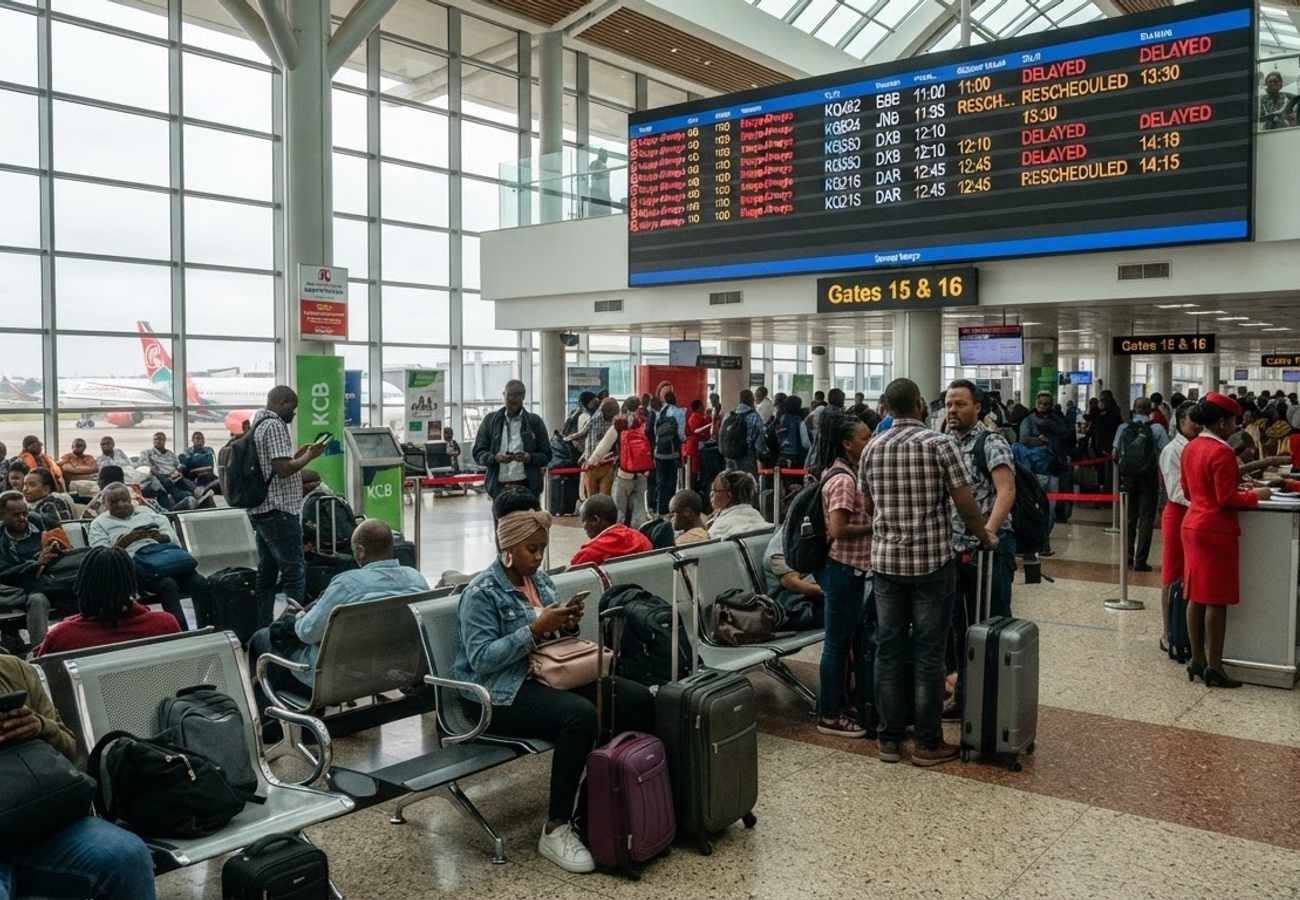
Image generated by AI
Kenya’s aviation sector is entering a recovery phase after a disruptive two-day strike by aviation workers. Kenya Airways has issued a formal warning that passengers should expect continued delays as the carrier clears a massive backlog of grounded and diverted flights.
Strike Resolution and Operational Status
Operations at Jomo Kenyatta International Airport (JKIA) in Nairobi and other regional Kenyan hubs are gradually resuming. The industrial action, led by the Kenya Aviation Workers Union, involved critical air traffic control (ATC) and airport ground staff. This walkout resulted in widespread cancellations and delays across domestic, regional, and international flight paths.
The strike was called off following a return-to-work agreement between union leadership, government representatives, and aviation authorities. This agreement serves as a framework to restore services while ongoing negotiations continue regarding staffing levels, compensation packages, and proposed structural changes to airport management.
While a limited number of flights remained operational during the stoppage, overall air traffic volumes were sharply reduced. The staffing constraints within ATC specifically hindered aircraft turnaround times and passenger processing, creating a bottleneck that persists despite the return of workers.
Our analysis of the disruption indicates that the ripple effects extend beyond the two-day strike period. The following areas remain heavily impacted:
- Primary Hub: Jomo Kenyatta International Airport (JKIA) is experiencing significant congestion as it processes the backlog.
- Affected Routes: All domestic Kenyan routes, East African regional connections, and long-haul flights to Europe and the Middle East.
- Operational Constraints: Kenya Airways is currently re-sequencing aircraft and crews, which has led to the consolidation of certain services on select routes.
- Recovery Timeline: Kenya Airways expects it will take at least one additional day beyond the strike's end to normalize operations and return to the regular timetable.
- Passenger Experience: Travelers are reporting departures several hours behind schedule and increased processing times at check-in and security screening.
Passenger Rights and Advisory
For the affected passenger, the end of the strike does not mean an immediate return to seamless travel. Our analysis of current airline policies and aviation frameworks suggests the following actionable steps:
Rebooking and Flexibility Kenya Airways has indicated that passengers affected by strike-related disruptions may rebook their flights without additional fees, provided they adhere to specified conditions and travel windows. If your flight was canceled, you should immediately request a rebooking on the next available service.
Duty of Care and Compensation Depending on the ticket type and the specific cause of the delay (e.g., whether the strike is classified as an "extraordinary circumstance" under the carrier's conditions of carriage), passengers may be entitled to assistance. For those stranded, ensure you keep all receipts for essential meals and accommodation.
Proactive Monitoring Our analysis suggests that SMS and email notifications may lag during recovery phases. Passengers should:
- Verify flight status via the airline's mobile app or official website before departing for the airport.
- Ensure contact details are updated in the booking record to receive real-time updates.
- Allow additional time for connections in Nairobi, as revised timings are still being implemented.
Insurance Claims Travelers should review their travel insurance policies or credit card protections. Many policies cover incidental expenses resulting from industrial action, provided the passenger has digital copies of tickets and written confirmation of the disruption from the airline.
The disruption at Jomo Kenyatta International Airport underscores the fragility of East Africa's primary aviation gateway. Because JKIA serves as a critical transfer point for the region, a short-term labor dispute creates a multi-day recovery cycle. The need to reposition aircraft and crews across a wide geographic network means that "normalization" is rarely instantaneous.
This event will likely trigger a review of contingency planning among regional carriers. The ability to deploy alternative staffing or rapidly adjust schedules during labor disputes is now a priority for maintaining the reliability of the Nairobi hub.
The aviation sector now faces the challenge of rebuilding passenger confidence while resolving the underlying labor grievances.
Related Travel Guides
Disclaimer
This article is for informational and educational purposes only. It does not constitute legal, financial, or professional advice. While we strive to provide accurate and up-to-date information, travel policies, regulations, and conditions change rapidly. Always verify information with official sources before making travel decisions. Nomad Lawyer makes no representations about the accuracy, reliability, completeness, or suitability of the information provided. Readers should consult qualified professionals for advice specific to their circumstances. The views expressed in this article are those of the author and do not necessarily reflect the views of Nomad Lawyer.
Preeti Gunjan
Contributor & Community Manager
A passionate traveller and community builder. Preeti helps grow the Nomad Lawyer community, fostering engagement and bringing the reader experience to life.
Learn more about our team →