Los Angeles Holds The Top Position Followed by Atlanta, Detroit and More As Delta’s Biggest Hubs Drive Global Connectivity

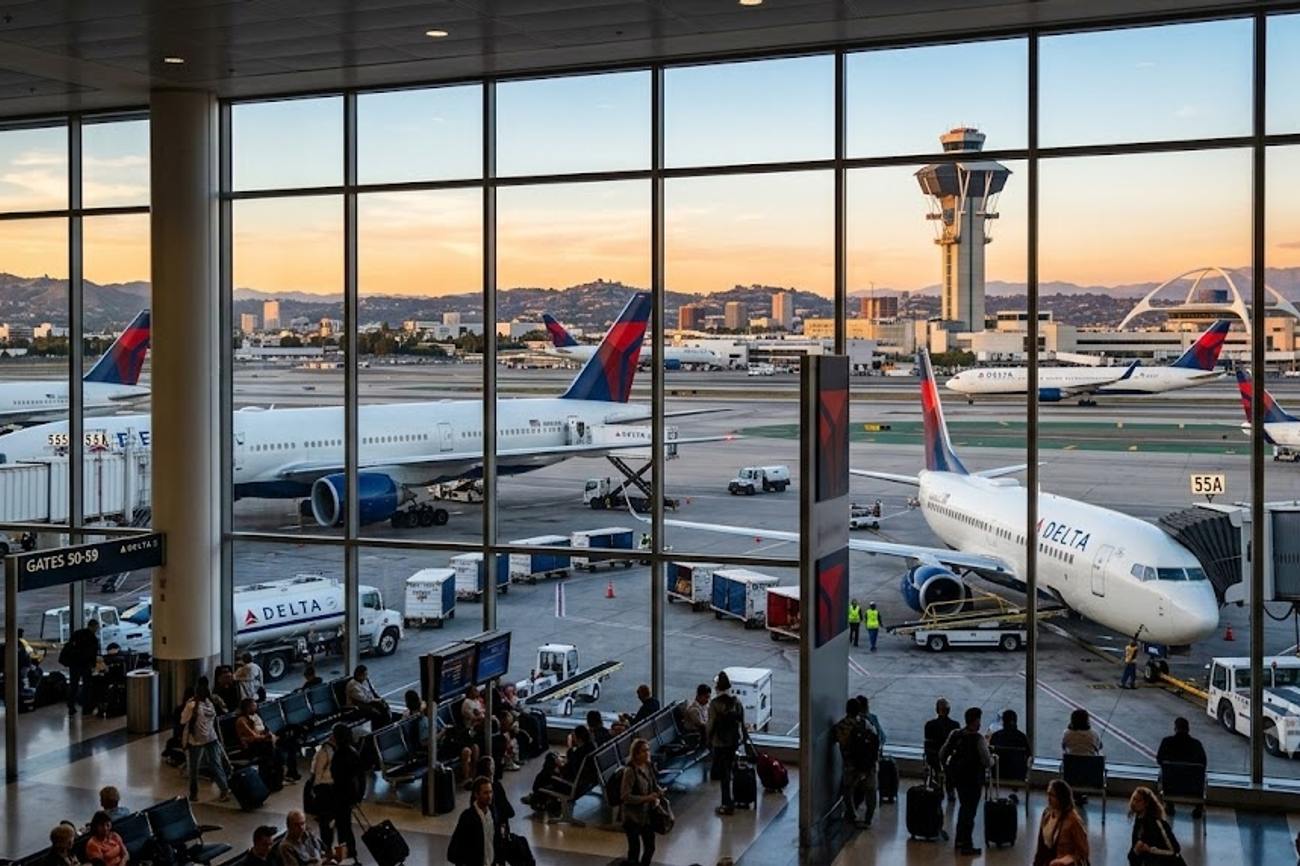
Image generated by AI
[Los Angeles, October 2023] — Delta Air Lines is aggressively expanding its footprint at Los Angeles International Airport (LAX), positioning the West Coast gateway as a primary pillar of its global connectivity strategy. The carrier is leveraging a high-capital investment in premium infrastructure and route expansion to capture a larger share of the luxury travel market and strengthen its domestic-to-international transit pipeline.
The strategic pivot focuses on transforming LAX into a high-yield hub by catering to business travelers and premium leisure passengers. While Hartsfield-Jackson Atlanta International Airport (ATL) remains the airline's primary global nerve center and corporate headquarters, the growth at LAX represents a targeted effort to compete with other global carriers for high-spending clientele. This expansion includes the deployment of specialized cabin products and the construction of exclusive lounge facilities designed to streamline the transit experience for top-tier ticket holders.
The Drive for Premium Dominance
The immediate catalyst for Delta's LAX expansion is the surging demand for premium travel services and the need to secure a competitive edge in the West Coast market. Delta is shifting its operational focus toward "premiumization," creating a tiered service structure that allows the airline to maximize revenue per seat. By investing in high-end amenities, the carrier is attempting to insulate itself from the volatility of the economy-class market.
At the center of this push is the introduction of the Delta One Lounge. Located in Terminal 2, this facility is specifically reserved for eligible premium passengers and is designed to mirror a luxury hotel experience rather than a traditional airport waiting area. The facility integrates restaurant-style dining, curated menus, and full-service beverage options, alongside private shower suites and relaxation zones. This facility complements existing premium infrastructure in Terminal 3, creating a dual-terminal stronghold for the airline's most affluent customers.
Network Impact and Hub Distribution
Delta's operational strategy relies on a distributed hub-and-spoke model. Rather than funneling all international traffic through a single point, the airline utilizes a network of strategic gateways to manage passenger flow and reduce congestion.
The following hubs currently drive Delta's global reach:
- Atlanta (ATL): The primary global connecting hub and the largest operational base.
- Los Angeles (LAX): The critical West Coast gateway for transpacific and domestic luxury travel.
- Detroit (DTW): The primary Midwest international gateway, linking central US cities to Europe and Asia.
- Minneapolis–Saint Paul (MSP): The central hub for Northern US connectivity.
- Salt Lake City (SLC): The primary connection center for the Western US.
- Seattle (SEA): The key international gateway for the Pacific Northwest.
- New York (JFK): The primary hub for global business and high-density international markets.
Detroit Metropolitan Wayne County Airport (DTW) serves a specific strategic purpose in this network. By acting as a conduit for passengers from smaller Midwestern cities heading to overseas markets, DTW allows Delta to bypass the congestion of coastal airports while maintaining efficient transit times to Asia and Europe.
Practical Traveler Advisory and Strategic Insights
For the average passenger, Delta's current strategy creates a bifurcated airport experience. The "premiumization" of hubs like LAX means that while high-paying passengers see a massive increase in luxury, the experience for economy travelers remains focused on efficiency rather than amenity.
If you are booking a flight now, here is the practical impact:
- Tiered Comfort Options: Passengers now have more granular choices between economy and first class. The introduction of "Premium Select" and "Delta Comfort+" means travelers can pay for specific increments of extra legroom and privacy without committing to a full business-class fare.
- Lounge Access Restrictions: The new Delta One Lounges are not open to all frequent flyers. Access is strictly limited to those flying in the highest cabin classes, meaning standard SkyMiles or credit card-based lounge access may not grant entry to these specific luxury spaces.
Delta Air Lines continues to leverage its primary hubs in Los Angeles and Atlanta to streamline international transit and domestic connections. Travelers can manage their itineraries and explore current flight schedules directly through the Delta Air Lines official portal. 3. Improved West Coast Connections: Travelers using LAX as a transit point will find more flight options and better-integrated services, particularly if they are utilizing the Federal Aviation Administration (FAA) regulated international corridors. 4. Midwest Efficiency: Passengers in the Midwest may find that routing through Detroit (DTW) provides a faster, less crowded path to international destinations compared to routing through New York or Atlanta.
The Future of the Hub Model
Delta's strategy suggests a long-term move toward "boutique" hub management. By diversifying its international gateways across LAX, DTW, and JFK, the airline is reducing its reliance on any single point of failure. This distributed model allows for better schedule flexibility and a more resilient network in the face of weather disruptions or airspace closures.
The airline is expected to continue rolling out enhanced cabin products across its fleet, focusing on privacy and personalized service. The goal is to move away from the "commodity" model of aviation—where the lowest price wins—and toward a "service" model where the airport experience is as important as the flight itself. As competition with other major US carriers intensifies, the battle for the "premium" traveler will likely lead to further investments in airport real estate and exclusive passenger lounges.
FAQ: Delta Hub Strategy 2023
Which airport is Delta's largest hub? Hartsfield-Jackson Atlanta International Airport (ATL) remains the airline's largest global gateway and serves as its corporate headquarters, managing the highest volume of domestic and international connections.
Who can access the new Delta One Lounges at LAX? These lounges are reserved specifically for eligible premium passengers flying in Delta One. They are designed for high-end international travelers and are not open to all economy or standard business-class passengers.
Why should I fly through Detroit (DTW) for international trips? Detroit serves as a strategic gateway for the Midwest, offering efficient connections to Europe and Asia. It often provides a less congested alternative to coastal hubs for passengers originating from central US cities.
What is the difference between Premium Select and Delta Comfort+? Delta Comfort+ offers additional legroom and dedicated overhead bin space for economy travelers. Premium Select is a separate class of service providing a wider seat, more recline, and an enhanced dining experience.
Delta is betting that luxury infrastructure will secure long-term loyalty in an increasingly volatile global market.
Related Travel Guides
- El Valle de Antón Follows Santa Fe and More as Hidden Panama Adventures Beckon Travellers Worldwide
- China’s Global Travel Comeback Propels Europe Forward With Rising Demand for Premium Holiday Experiences: All You Need to Know
- Singapore Airlines Beats Qatar, Cathay Pacific In 2026 Airline Awards As Service Quality Drives Global Victory
This article is for informational purposes. Flight routes, passenger regulations, visa rules, and transit advisories are subject to change by airlines and aviation authorities. Readers are advised to verify schedules and travel documentation with relevant carriers and border agencies before departure.
Related Stories

European Mass Protests Disrupt Travel Across France, Italy, Belgium, and Turkey in 2026

Israel Tourism Recovery 2026: North American Flight Restorations and New ETA-IL Entry Rules