
Lindblad Expeditions Offers 2,000 Dollar Air Credit for 2027 Japan Antarctica and Patagonia Voyages
Secure a 2,000 dollar air credit for elite 2027 expeditions to Japan, Antarctica, and Patagonia when booking through Lindblad Expeditions by November 4, 2026.

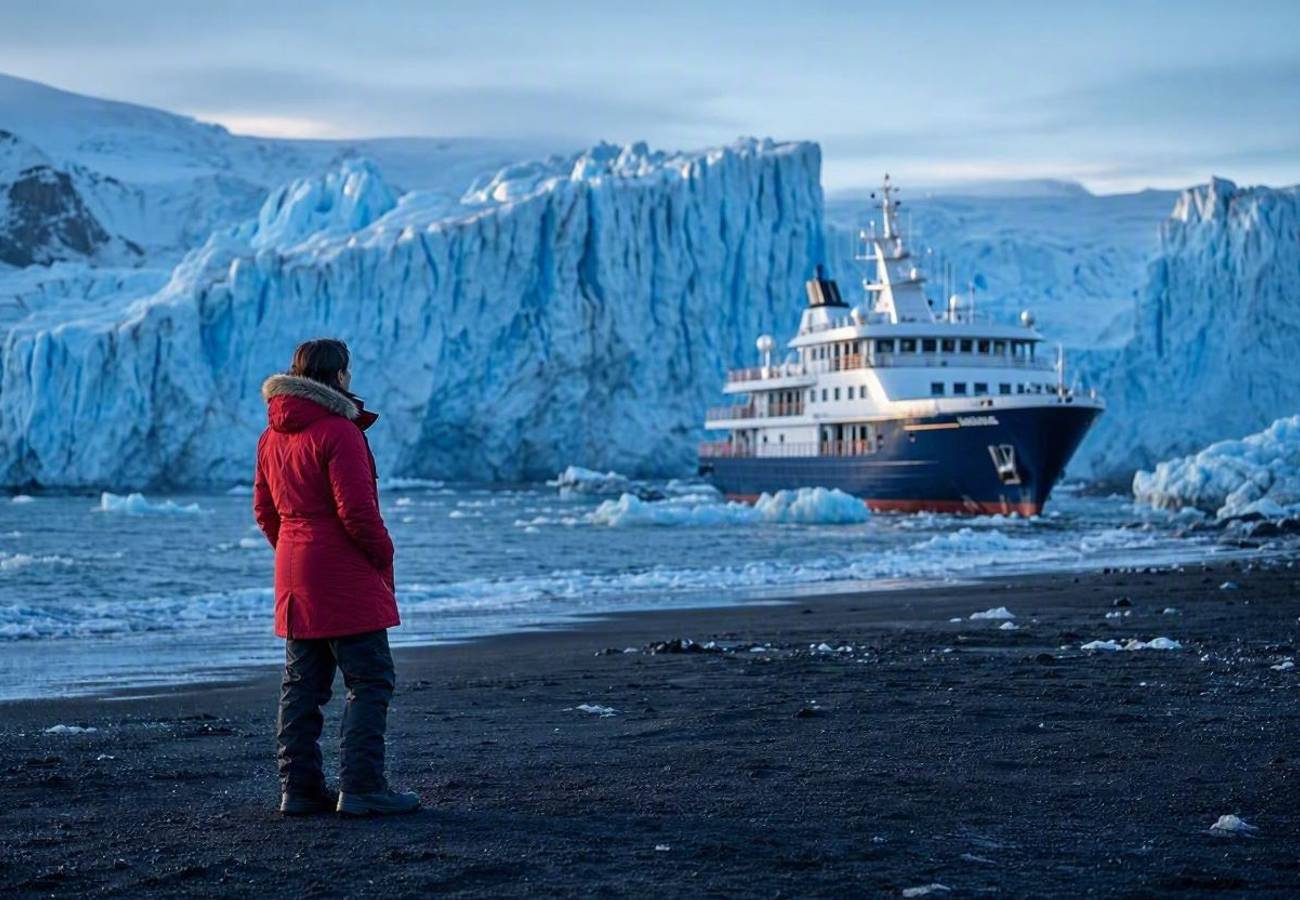
Image generated by AI
Airfare costs have surged by 17 per cent year-on-year, making the journey to the world's most remote corners a financial hurdle even for seasoned explorers. To counter this trend, Lindblad Expeditions is introducing a significant incentive for 2027: an air credit of up to 2,000 dollars per person. This isn't a generic discount but a targeted subsidy designed to bridge the gap between a traveler's home and the distant embarkation points of the high Arctic, the deep south, and the remote coasts of East Asia.
The 2027 Expedition Flight Incentive
For those who track high-end adventure travel, the cost of the voyage is often only half the battle; the logistics of reaching a remote port in Chile or a tundra strip in Svalbard can be staggering. This new promotion directly addresses the rising cost of long-haul aviation. To qualify for the 2,000 dollar credit, travelers must act within a specific window: bookings must be finalized between 15 September and 4 November 2026.
Crucially, this is not a "book now, claim later" rebate. The credit is only applicable if the flights are ticketed through the Lindblad Expeditions Air Department. This requirement ensures that the complex logistics of expedition timing—where ship departures are non-negotiable—are handled by specialists. Those looking to secure this credit should contact the air department directly at 800-444-7739 to ensure the funds are applied to their specific itinerary.
What Makes These Expeditions Different
Unlike standard luxury cruises, these itineraries are built around scientific curiosity and environmental immersion. The 2027 lineup spans the globe, blending extreme geography with deep cultural history.
In Japan, the "Coastal Japan: Imperial Dynasties and Modern Culture" route avoids the typical tourist traps. Instead, it weaves together the avant-garde art of Naoshima, the rigid history of samurai castles, and the meditative silence of traditional gardens. The journey extends beyond Japan's borders to include the UNESCO World Heritage ruins of Gyeongju in Korea, offering a comparative look at East Asian heritage that few commercial tours provide.
For the polar enthusiast, the "Antarctica Direct: Fly the Drake Passage" option is a game-changer. The Drake Passage is notorious for its violent seas, often deterring travelers. By flying directly to the continent—a trip of roughly two hours each way—guests bypass the turbulence and land straight in the heart of the ice, where the focus shifts immediately to wildlife and glacial morphology.
Further north, the "Svalbard: In Search of Iconic Arctic Wildlife" journey focuses on the raw, unfiltered Arctic. This isn't just about sightseeing; it's about traversing pebbled beaches littered with ancient whale bones and exploring the remnants of old trapper huts. Similarly, the "Fabled Lands of the North" route takes guests from Greenland to Newfoundland, specifically targeting the massive icebergs of Disko Bay, another UNESCO-protected site.
Visitor Insider Tips
Navigating high-end expeditions requires a different strategy than standard vacationing. If you are planning to utilize the 2027 air credit, keep these local and logistical nuances in mind:
Timing Your Arrival: Always schedule your flight to arrive at the embarkation city at least 24 to 48 hours before the ship departs. In places like Ushuaia (for Antarctica) or Longyearbyen (for Svalbard), a single flight delay or weather event can mean missing the boat.
Gear Strategy: For Patagonia and the Arctic, layering is a science. Do not rely on a single heavy coat. Use a base layer of merino wool, a mid-layer of fleece, and a waterproof outer shell. Lindblad often provides parkas, but your personal layering determines your comfort during Zodiac excursions.
Photography Etiquette: These voyages often include National Geographic photographers. Rather than just taking photos, engage them in "critique sessions" during downtime. They can teach you how to capture the scale of a glacier or the movement of a narwhal, which is far more valuable than any equipment upgrade.
Regional Specialties: When visiting the "Celtic Coasts and Iberian Shores" route, venture beyond the ship's curated meals. In Porto and Cornwall, seek out local markets for authentic seafood and regional wines that reflect the maritime heritage of the Atlantic coast.
Cultural and Environmental Context
Expedition tourism operates on a delicate knife-edge. The very environments that attract visitors—the pristine ice of Antarctica or the fragile atolls of French Polynesia—are the most susceptible to human impact. Lindblad’s approach emphasizes "citizen science," where guests often contribute to data collection led by naturalists.
In French Polynesia, the "Pearls of the Pacific" itinerary focuses on the Tuamotu Archipelago and Fakarava. These areas are recognized for their biodiversity and are subject to strict environmental regulations to protect the coral reefs. Tourism here is designed to be low-impact, utilizing smaller vessels that can navigate shallow lagoons without damaging the seabed.
Similarly, in Patagonia, the use of Zodiacs and kayaks allows for close-range exploration of Chilean fjords without the need for heavy infrastructure on land. This "leave no trace" philosophy is essential in regions where the ecosystem takes decades to recover from a single disturbance. By integrating certified photo instructors and naturalists, the goal is to transform the traveler from a passive observer into an advocate for the preservation of these remote wildernesses.
FAQ: Visiting Remote Destinations 2027
What is the best time to visit Antarctica or Svalbard? Antarctica is best visited between November and March (Southern Hemisphere summer). Svalbard is ideal from May to August, when the midnight sun provides maximum visibility for wildlife spotting and hiking.
Do I need a visa for these expeditions? Visa requirements vary wildly. Japan and French Polynesia have different entry rules depending on your nationality. Always check with the Lindblad Air Department or the official government portal of the destination country at least three months before departure.
How do I get the 2,000 dollar air credit? You must book your expedition between 15 September and 4 November 2026 and ensure your flights are ticketed through the Lindblad Expeditions Air Department by calling 800-444-7739.
Is it safe for solo travelers? Yes. Expedition cruises are highly social environments. With shared activities like kayaking and naturalist-led hikes, solo travelers typically integrate quickly with the group.
The world's furthest reaches are calling, and the cost of the flight is no longer the barrier it once was.
Related Travel Guides
Disclaimer
This article is for informational and educational purposes only. It does not constitute legal, financial, or professional advice. While we strive to provide accurate and up-to-date information, travel policies, regulations, and conditions change rapidly. Always verify information with official sources before making travel decisions. Nomad Lawyer makes no representations about the accuracy, reliability, completeness, or suitability of the information provided. Readers should consult qualified professionals for advice specific to their circumstances. The views expressed in this article are those of the author and do not necessarily reflect the views of Nomad Lawyer.
Kunal K Choudhary
Co-Founder & Contributor
A passionate traveller and tech enthusiast. Kunal contributes to the vision and growth of Nomad Lawyer, bringing fresh perspectives and driving the community forward.
Learn more about our team →