
New Frontiers: Pakistan and Guyana Lead Emerging Global Travel Trends
UN Tourism's Best Tourism Villages network has expanded to 319 rural destinations across 65 countries in 2026, highlighting lesser-known travel frontiers.

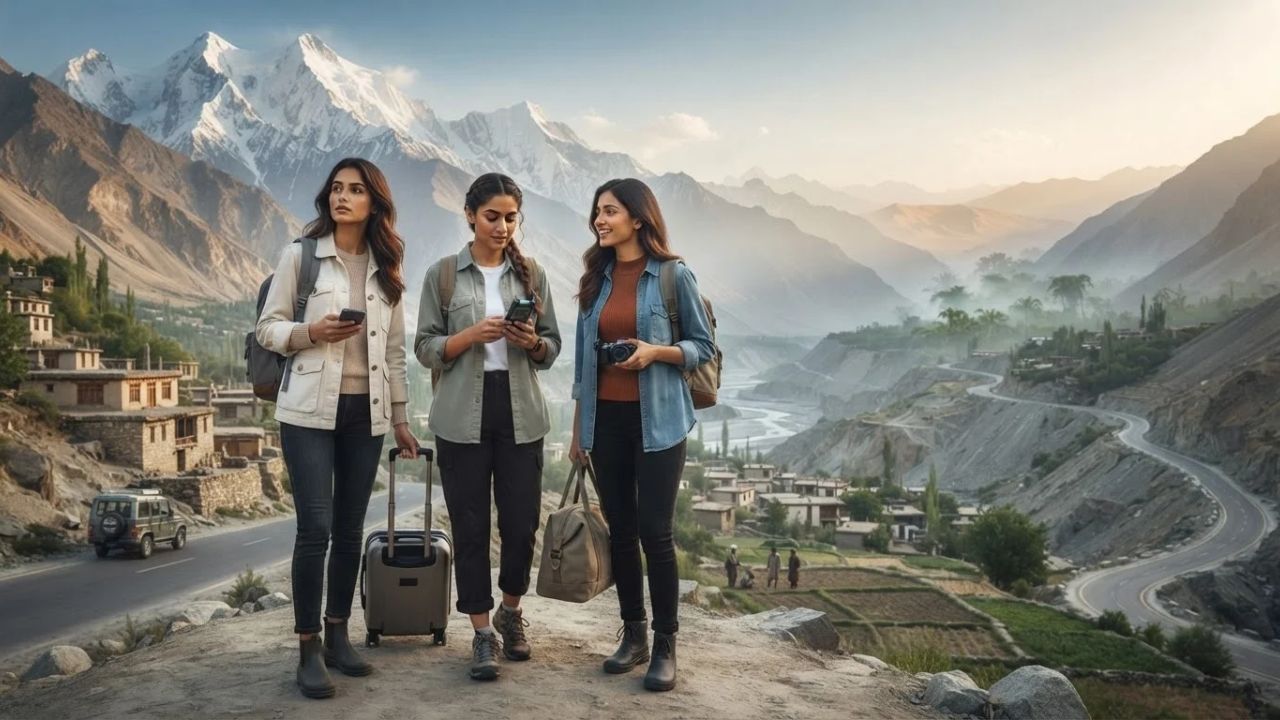
Image generated by AI
UN Tourism's Best Tourism Villages network has expanded to include 319 rural destinations across 65 countries in 2026, highlighting a global shift toward lesser-known travel frontiers. From the high-altitude peaks of Pakistan to the protected rainforests of Guyana, emerging destinations are prioritizing conservation over mass-market tourism.
Conservation-Led Travel and Enclave Tourism Alternatives
A significant trend in global travel is the rise of conservation-led, community-connected travel in remote regions. As travelers seek options unaffected by overtourism, countries with smaller visitor industries are positioning their natural assets—such as primary rainforests, high-altitude ranges, and marine reserves—as competitive advantages. By designing travel programs that limit visitor numbers and support indigenous land rights, emerging frontiers (such as Timor-Leste, Gabon, and Guyana) bypass the mass-tourism model.
This approach ensures that tourism revenues directly fund environmental protection, preserve local heritage, and support community development.
Pakistan's High-Altitude Adventure Gateways
Pakistan stands out for its high-altitude peaks and hiking routes:
- Mountain Ranges: Home to the Karakoram, Himalayan, and Hindu Kush ranges, primarily located in the Gilgit-Baltistan region.
- Major Peaks: Includes K2, the world's second-highest peak.
- Regional Gateways: Hunza, Skardu, and Gilgit serve as the primary access points for northern tourism. Hunza features mountain valleys, orchards, and glaciers, while Skardu offers trekking routes.
- Corridor Connections: The Karakoram Highway links the northern areas directly to China.
Carefully managed trekking and mountaineering activities help distribute tourism income to local mountain communities.
Rainforest Frontiers in Guyana and Central Africa
South American and Central African nations are focusing on biodiversity and nature-based travel:
- Guyana: In 2026, the government stated its goal to avoid high-volume mass tourism in favor of protecting ecosystems. The country's primary attraction is Kaieteur Falls, located inside Kaieteur National Park.
- Gabon: Offers extensive rainforests, wildlife reserves, and protected areas in Central Africa. Nature tourism is designed to create economic value while protecting forest ecosystems.
- Republic of Congo: Functions as a rainforest frontier, relying on conservation-led travel to protect wildlife habitats.
These programs support the conservation of remote areas while offering alternatives to traditional safari destinations.
Islands and Volcanoes: Timor-Leste and Nicaragua
Emerging island and coastal destinations offer diverse marine and outdoor experiences:
- Timor-Leste: Focuses on marine biodiversity and cultural tourism. Key locations include Atauro Island (north of Dili) for coral reef diving, Jaco Island (a protected nature reserve), and Mount Ramelau (the country's highest peak).
- Nicaragua: Offers volcanoes, lakes, colonial cities, and forests along both Pacific and Caribbean coasts, developing travel around nature and adventure without relying on mass-market resorts.
- Angola: Combines Atlantic coastlines, plateaus, and historic heritage sites to build its tourism identity.
These regions allow visitors to transition between marine ecosystems and mountain reserves.
Culture and Wilderness in Armenia and East Indonesia
Other emerging destinations offer heritage exploration and remote biodiversity:
- Armenia: Managed by the Tourism Committee under the Ministry of Economy, the country offers ancient history, Caucasus mountain trails, and food traditions.
- Papua (Indonesia): Eastern territories offer mountain forests, islands, and traditional communities, requiring infrastructure development that balances conservation and local interests.
- UN Tourism Villages: The 2026 Best Tourism Villages network includes 319 rural destinations across 65 countries, evaluated on sustainability, heritage, and community well-being.
These programs help distribute travelers away from crowded hotspots to rural communities.
Emerging Travel Frontiers and Destination Coordinates
The table below breaks down the emerging travel frontiers, primary attractions, regional gate paths, and sustainability programs established for these destinations:
| Travel Frontier | Primary Attraction | Regional Gate Path | Sustainability Program | UN Network Status (2026) |
|---|---|---|---|---|
| Pakistan | High peaks & K2 trekking | Hunza, Skardu & Gilgit | Mountain community support | Northern heritage zones |
| Guyana | Kaieteur Falls & rainforests | Kaieteur National Park | Low-volume ecotourism | Protected areas focus |
| Timor-Leste | Atauro Island coral reefs | Dili & Jaco Island | Marine biodiversity protection | Compact eco-destinations |
| Armenia | Ancient heritage & trails | Ministry of Economy | Cultural preservation | Caucasus heritage routes |
| Rural Network | Rural travel villages | Global network | Best Tourism Villages | 319 villages in 65 countries |
These coordinates outline the attractions, hubs, and sustainability programs established for the emerging travel sector.
Resource Stewardship and Community Integration
For the traveler, the benefit of choosing lesser-known destinations is the opportunity to practice direct resource stewardship. Supporting community-run guesthouses in Hunza or local guides in Armenia ensures that tourism capital remains within the municipal community.
Additionally, respecting local regulations in protected areas—such as the marine reserves of Atauro Island or the forests of Kaieteur National Park—helps prevent habitat degradation. Choosing low-impact activities (like trekking or wildlife observation) minimizes waste and water usage in remote areas.
For example, you can explore the changing dynamics of Cold Chain: Royal Caribbean Legend of the Seas Completes Cooling Systems to see how cruise ships manage onboard resources. For resort developments, comparing plans matches other destinations, such as the Resort Reality: North Korea's Wonsan Kalma Complex Struggles for Tourists updates. This trend is similar to the tourism growth seen in other destinations, as detailed in our guide on how Utica, New York Emerges as an Affordable Northeast Tourism Hub.
Visitor Insider Tips: Traveling in Emerging Frontiers
If you are planning to travel to these emerging destinations, keep these practical tips in mind:
- Check Visa and Permit Rules: Many remote destinations (such as Turkmenistan or specific regions in Pakistan) require special permits and sponsors. Verify details before booking.
- Hire Registered Local Guides: Hire local guides at hubs like Skardu or Dili to support the regional economy and ensure trail safety.
- Respect Indigenous Land Rights: In protected parks like Kaieteur, follow local guidelines to minimize your footprint on native lands.
- Avoid the Term 'Untouched': Remember that these regions have been inhabited by indigenous communities for generations. Approach travel with respect for local history.
- Plan for Limited Infrastructure: Expect simpler accommodation and transport options when traveling in Gabon or Timor-Leste, and carry cash for local transactions.
Long-Term Outlook for Global Travel Frontiers
The long-term outlook for global travel is focused on developing community-led homestays, expanding eco-friendly transit links, and implementing strict capacity limits at sensitive ecosystems. As traveler interest in unique experiences grows, tourism boards will rely on sustainability criteria to manage demand.
By protecting local cultures and supporting conservation, the travel sector aims to build a sustainable global tourism model.
FAQ
What is the UN Tourism Best Tourism Villages network?
It is a global network that, in 2026, includes 319 rural destinations across 65 countries selected for their focus on sustainability and heritage.
What are the main attractions in Gilgit-Baltistan, Pakistan?
The region features the Karakoram, Himalayan, and Hindu Kush mountain ranges, K2, and northern valleys like Hunza and Skardu.
How is Guyana managing its tourism growth?
Guyana is positioning itself away from mass tourism, focusing on low-volume, conservation-led ecotourism to protect its rainforests.
What can travelers experience on Atauro Island?
Atauro Island, located north of Dili in Timor-Leste, is known for its high marine biodiversity, coral reefs, and diving opportunities.
Stay updated on the travel conditions and ecotourism programs shaping global travel.
Related Travel Guides
Disclaimer
This article is for informational and educational purposes only. It does not constitute legal, financial, or professional advice. While we strive to provide accurate and up-to-date information, travel policies, regulations, and conditions change rapidly. Always verify information with official sources before making travel decisions. Nomad Lawyer makes no representations about the accuracy, reliability, completeness, or suitability of the information provided. Readers should consult qualified professionals for advice specific to their circumstances. The views expressed in this article are those of the author and do not necessarily reflect the views of Nomad Lawyer.
Raushan Kumar
Founder & Lead Developer
Full-stack developer with 11+ years of experience and a passionate traveller. Raushan built Nomad Lawyer from the ground up with a vision to create the best travel and law experience on the web.
Learn more about our team →