
Lesotho Luxury Cruise Ambitions Face 18% Drop in International Arrivals in 2026
Lesotho's plans for a luxury cruise at Katse Dam face commercial headwinds as international arrivals plummet 18% and highland hotel occupancy remains critically low.

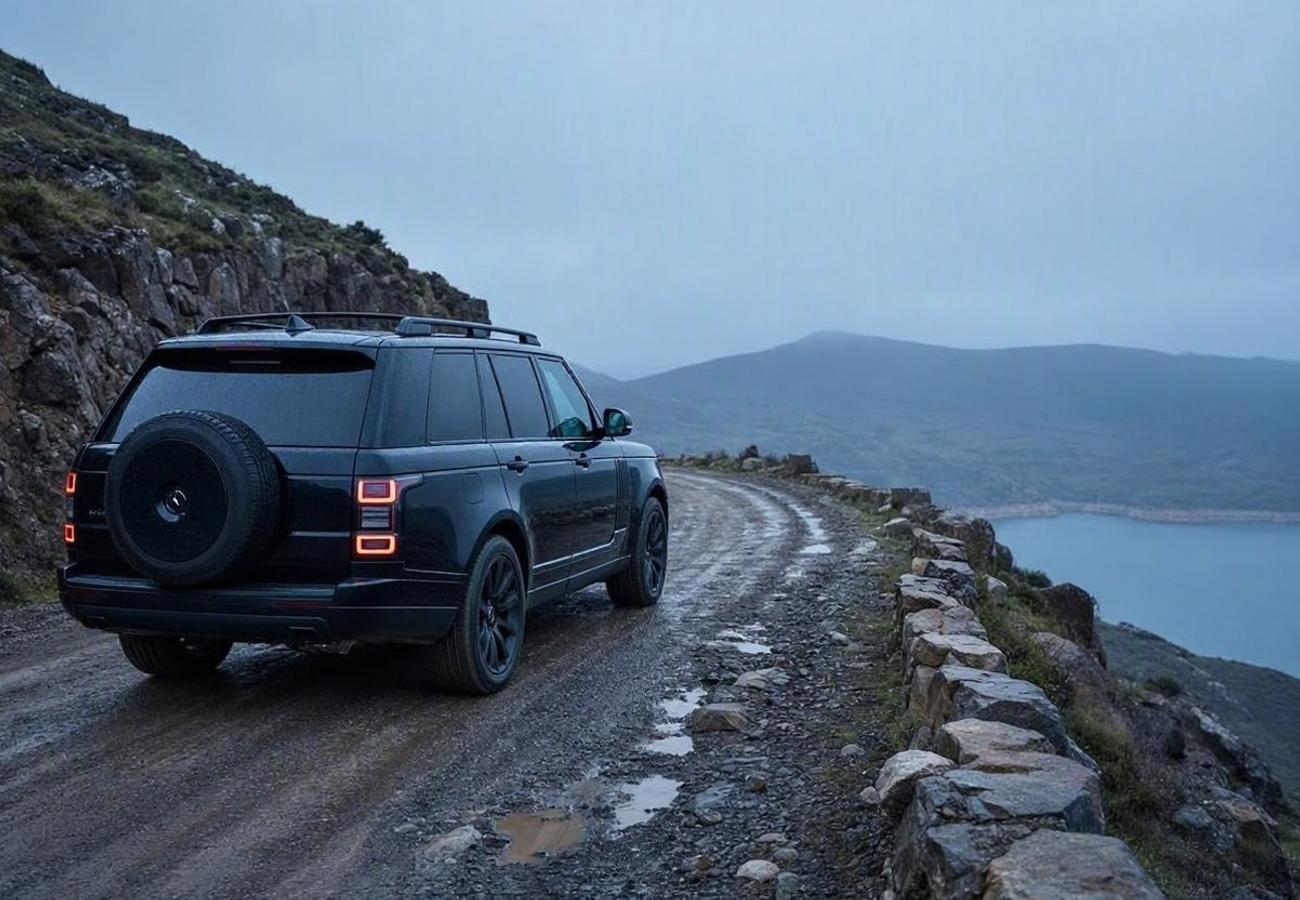
Image generated by AI
[Maseru, October 9, 2026] — Lesotho’s proposal to launch a luxury cruise operation at Katse Dam is facing a severe commercial reality check following an 18% collapse in international visitor arrivals. New data reveals a stark disconnect between the government's high-end tourism ambitions and the actual market demand in the country's highland regions.
The downturn comes at a critical moment as the Lesotho National Development Corporation (LNDC) and the Lesotho Tourism Development Corporation (LTDC) seek private investment for two separate projects: a US$3 million standalone cruise venture and a more expansive US$10.8 million integrated tourist village.
Market Contraction Triggers Investment Concerns
The viability of these luxury projects is being questioned after the LTDC's 2025 Arrivals and Accommodations Report showed international arrivals dropped to 787,069, down from 960,321 in 2024. While 2024 had seen a surge of 30.9%, the recent contraction leaves total visitor volumes at only 68.9% of pre-pandemic (2019) levels.
The decline is attributed largely to border-operational inefficiencies and visa constraints rather than a lack of interest in the destination. However, for investors, the data suggests a volatile environment. With 88.5% of arrivals originating from South Africa and 98.1% entering by road, any luxury product must be accessible and appealing to regional road-trippers.
Regional Demand Disparity
A significant hurdle for the Katse Dam project is the geographic distribution of tourists. While the capital, Maseru, maintains a steady flow of business and government travel, the Thaba-Tseka District—where the cruise would operate—is struggling with critically low occupancy.
2025 Accommodation Performance Comparison
| Indicator | Maseru District | Thaba-Tseka District | National Average |
|---|---|---|---|
| Reported Guest Nights | 170,125 | 12,390 | 378,425 |
| Bed Occupancy Rate | 31.7% | 12.6% | 22.1% |
| Surveyed Rooms | 1,476 | 156 | 3,680 |
| Responding Establishments | 83 | 11 | 218 |
The 12.6% occupancy rate in Thaba-Tseka indicates that the region currently lacks the baseline demand to support high-end hospitality without a significant "anchor" attraction. Furthermore, only 2.1% of all international visitors (16,528 people) listed Katse Dam as their intended destination, highlighting the limited national share of the reservoir's current appeal.
What This Means for Travelers
For those planning a trip to the Lesotho highlands or looking to book luxury experiences, the current situation translates to several practical realities:
- Limited Luxury Infrastructure: Do not expect "luxury cruise" bookings to be available in the immediate future. No verified financing agreements or construction awards have been finalized.
- Short-Stay Trends: Over 53% of visitors currently stay for one night or less. Travelers seeking a deep-dive luxury experience will find very few upscale overnight options in the Thaba-Tseka region.
- Road Dependency: Since almost all tourists enter via road, the quality of the journey to Katse Dam remains the primary bottleneck. A proposed US$55 million road-upgrade pipeline is in place, but until completed, access to the highlands remains challenging.
Competing Investment Visions
Confusion persists regarding the actual scope of the project, as two different government bodies are promoting different financial models.
Project Comparison: Cruise vs. Village
| Component | LTDC Cruise Proposal | LNDC Tourist Village |
|---|---|---|
| Estimated Cost | US$3 Million | US$10.8 Million |
| Primary Asset | Premium passenger vessel | Double-deck vessel (40-60 pax) |
| Route | Lejone to Katse Dam wall (~50km) | Sightseeing, dining, and charters |
| Lodging | None specified | 24-40 unit eco-lodge |
| Extras | Lounges & observation areas | Skywalk, retail, MICE facilities |
| Status | Greenfield opportunity | Public-Private Partnership (PPP) |
The LTDC proposal is a lean, vessel-focused operation, while the LNDC vision is a full-scale destination. Neither project has a confirmed launch date or a completed feasibility study.
The Path Forward
The success of the Katse luxury ambition now depends on the government's ability to fix border bottlenecks and convert "day-trippers" into overnight guests. With 33.4% of visitors currently arriving as day guests, the cruise must offer a high enough value proposition to encourage tourists to extend their stay in the highlands.
Investors are now weighing whether the scenic beauty of the dam can overcome the systemic decline in arrival numbers and the abysmal occupancy rates of the surrounding district.
FAQ: Lesotho Highland Tourism 2026
Is the Katse Dam luxury cruise currently open for booking? No. The project remains in the proposal and investment-seeking stage. There is no confirmed launch date or operating vessel currently in service.
Why are international arrivals in Lesotho declining? The Lesotho Tourism Development Corporation cites visa-related hurdles and operational constraints at border crossings as the primary drivers of the 18% drop in arrivals.
What is the best way to visit Katse Dam right now? The vast majority of visitors enter Lesotho by road from South Africa. Travelers should prepare for basic infrastructure in the Thaba-Tseka District, as luxury accommodation is currently limited.
What is the difference between the Tourist Village and the Cruise proposal? The cruise proposal is a US$3 million plan for a boat and jetties. The Tourist Village is a US$10.8 million integrated resort including an eco-lodge, skywalk, and conference facilities.
Highland ambition meets a hard landing in the data.
Related Travel Guides
Disclaimer
This article is for informational and educational purposes only. It does not constitute legal, financial, or professional advice. While we strive to provide accurate and up-to-date information, travel policies, regulations, and conditions change rapidly. Always verify information with official sources before making travel decisions. Nomad Lawyer makes no representations about the accuracy, reliability, completeness, or suitability of the information provided. Readers should consult qualified professionals for advice specific to their circumstances. The views expressed in this article are those of the author and do not necessarily reflect the views of Nomad Lawyer.
Preeti Gunjan
Contributor & Community Manager
A passionate traveller and community builder. Preeti helps grow the Nomad Lawyer community, fostering engagement and bringing the reader experience to life.
Learn more about our team →