
Lebanon Travel Warnings 2026: US and Australia Issue Level 4 Do-Not-Travel Advisories
Western governments, including the US and Australia, have maintained strict Level 4 'Do Not Travel' advisories for Lebanon in 2026 due to volatile security and airspace instability.

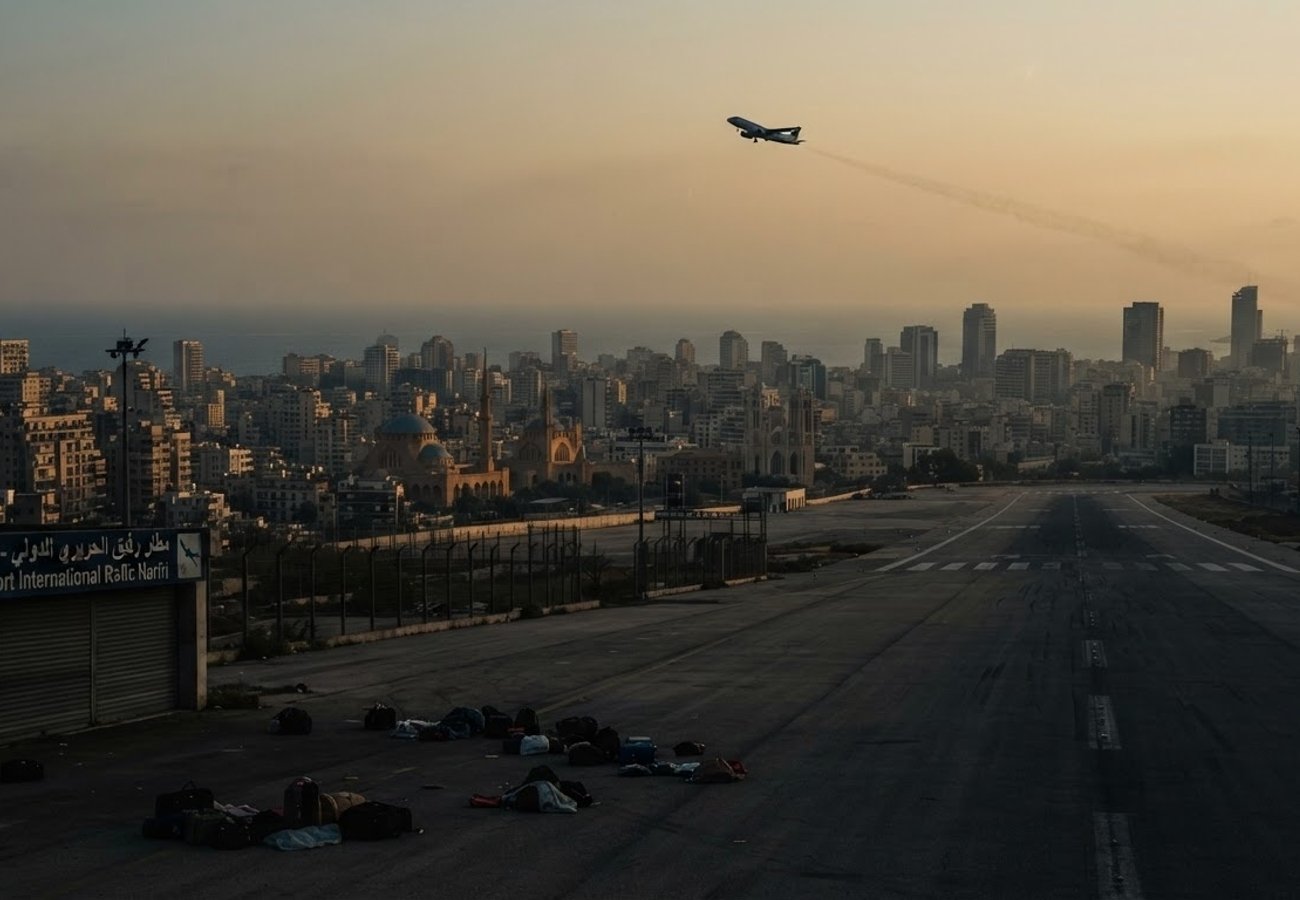
Image generated by AI
Western governments have maintained the highest possible travel warnings for Lebanon, citing imminent risks of armed conflict, terrorism, and unpredictable airspace closures.
Regional Security Volatility and Official Advisories
Travel to Lebanon is currently restricted under strict mandates from several Western governments. The U.S. State Department has maintained its travel advisory at Level 4: “Do Not Travel.” This guidance, updated as of 21 August 2026, warns against the dangers of armed conflict, terrorism, kidnapping, civil unrest, and the presence of landmines.
Similarly, Australia’s Smartraveller has issued a “Do not travel” recommendation for the entire country. The Australian government emphasizes that the regional security situation is unpredictable, with military strikes and reprisal attacks remaining a constant threat across various locations. Notably, the Smartraveller advisory extends this warning to transit; travelers are advised against using Lebanon as a transit point to other destinations.
Impact on Beirut and National Infrastructure
Beirut remains the primary international gateway for Lebanon, serving as the central hub for business, dining, and cultural tourism. However, the capital is currently subject to extreme operational volatility.
The most critical concern for air travelers is the instability of Lebanese airspace. According to official guidance, airspace can open or close with almost no notice. This creates a high risk of sudden flight cancellations, delays, and diversions at Beirut International Airport. For those currently within the country, authorities recommend departing via commercial flights while they remain available, provided the route to the airport is secure.
High-Risk Zones and Transit Constraints
While Beirut is the focal point for international arrivals, other regions face elevated threats:
- Southern Lebanon: Border tensions and active military operations make this region particularly dangerous.
- Bekaa Valley: Reports indicate significant military activity, including drone attacks, missile strikes, and rocket fire.
- Ground Transport: Major highways and roads connecting urban centers to airports or border crossings are susceptible to sudden blockages if violence escalates.
Transit Risk Specifications
| Risk Factor | Current Status | Impact on Traveler |
|---|---|---|
| US State Dept Level | Level 4 (Do Not Travel) | Highest warning; limited consular assistance |
| Smartraveller Status | Do Not Travel | Advice applies to both visits and transit |
| Airspace Stability | Volatile | Short-notice closures; flight diversions |
| Regional Hotspots | South Lebanon / Bekaa Valley | High risk of airstrikes and missile activity |
| Infrastructure | Unstable | Potential for road blockages to Beirut Airport |
Traveler Logistics Guide: Navigating High-Risk Transit
From a ground-level perspective, navigating a Level 4 destination requires a departure from standard travel planning. If you are required to be in the region for essential reasons, the following logistics are mandatory:
Flight Monitoring and Connectivity Do not rely on a single notification source for flight updates. In volatile airspace, airline apps may lag. Establish a direct line of communication with your carrier and monitor official aviation notices. If you are connecting through other Middle Eastern hubs, build in significant buffer time (minimum 8–12 hours) as regional conflict often triggers a domino effect of cancellations across the network.
Insurance and Legal Recourse Most standard travel insurance policies contain "Government Advice" clauses. If you travel to a destination under a "Do Not Travel" advisory, your policy is likely void. This means medical evacuations, trip cancellations, and theft will not be covered. Review your policy's "War and Terrorism" exclusions specifically.
On-the-Ground Safety Protocols
- Documentation: Keep physical and digital copies of your passport and visa on your person at all times.
- Avoidance Zones: Steer clear of government buildings, military installations, and energy infrastructure.
- Crowd Management: Avoid large gatherings or areas known to attract foreign visitors, as these are primary targets during periods of unrest.
- Supplies: Maintain a 72-hour reserve of essential medicines and water in case of road blockages.
Infrastructure and Tourism Impact Assessment
The persistence of Level 4 advisories significantly hampers Lebanon's tourism sector, despite the country's historical and cultural appeal. The instability of the airspace is the primary bottleneck; without guaranteed flight corridors, the hospitality and business sectors in Beirut cannot maintain consistent occupancy or investment. Furthermore, the volatility in the Bekaa Valley and Southern Lebanon creates a fragmented security map, meaning safety in the capital does not guarantee safety in the provinces.
The current security climate renders traditional tourism nearly impossible, shifting the focus entirely to emergency evacuation and essential transit.
Related Travel Guides
Disclaimer
This article is for informational and educational purposes only. It does not constitute legal, financial, or professional advice. While we strive to provide accurate and up-to-date information, travel policies, regulations, and conditions change rapidly. Always verify information with official sources before making travel decisions. Nomad Lawyer makes no representations about the accuracy, reliability, completeness, or suitability of the information provided. Readers should consult qualified professionals for advice specific to their circumstances. The views expressed in this article are those of the author and do not necessarily reflect the views of Nomad Lawyer.
Preeti Gunjan
Contributor & Community Manager
A passionate traveller and community builder. Preeti helps grow the Nomad Lawyer community, fostering engagement and bringing the reader experience to life.
Learn more about our team →