
Latvia Implements Strict Import Ban on Russian and Belarusian Goods from Third Nations in September 2026
Latvia introduces Regulation No. 509, banning Russian and Belarusian industrial goods entering from third nations, affecting personal baggage including clothing, books, and toys.

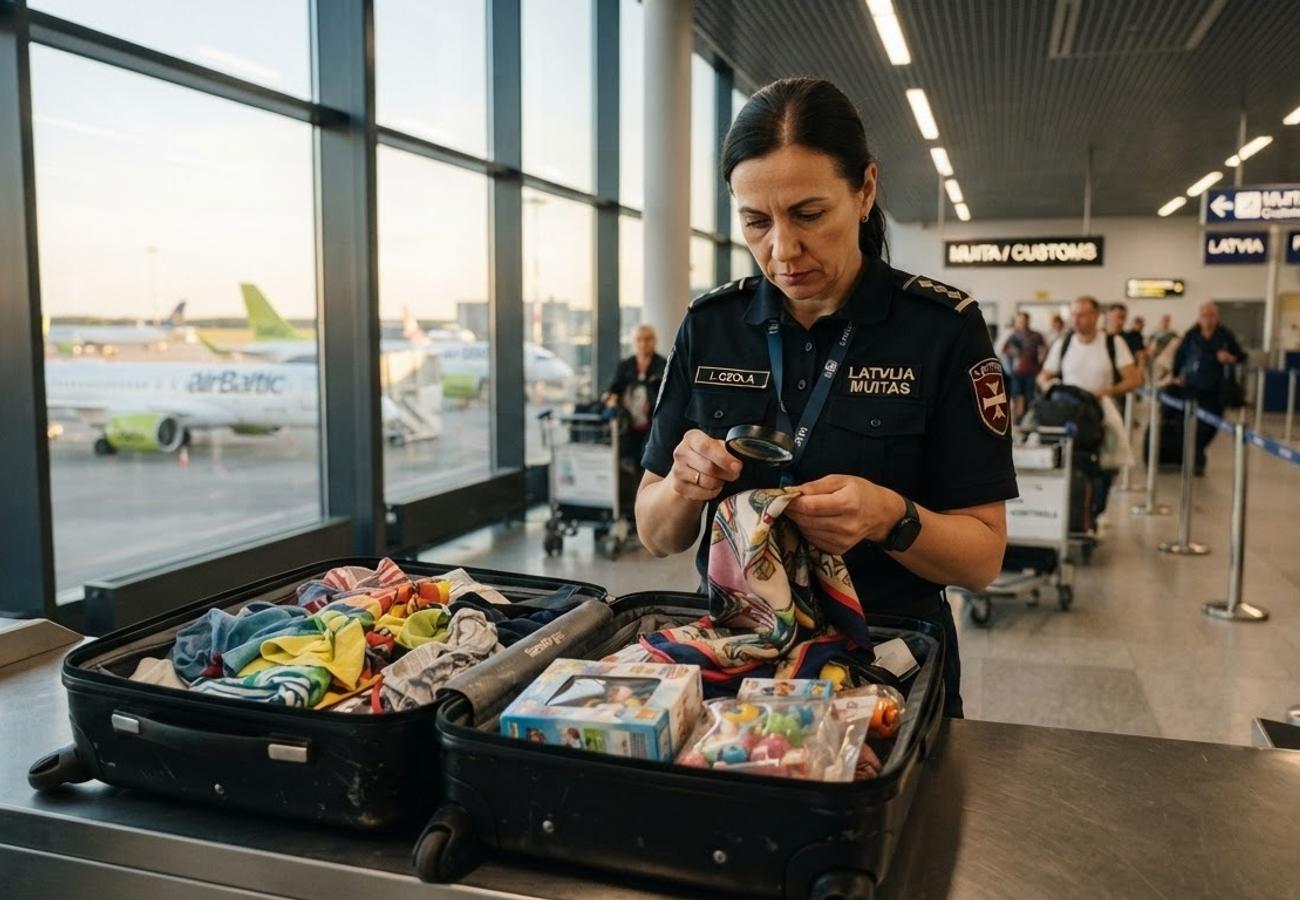
Image generated by AI
Effective 1 September 2026, Latvia will enforce a strict import ban on goods originating from Russia and Belarus, regardless of whether they were purchased in a third country. This regulation creates a significant "baggage trap" for international travelers who may unknowingly carry prohibited items in their personal effects.
The Latvian Cabinet adopted Regulation No. 509 on 25 August 2026, officially publishing it on 31 August. The measure prohibits the entry of specific industrial goods into Latvia if they originate from the Russian Federation or the Republic of Belarus.
Crucially, the ban applies to two distinct scenarios: goods arriving directly from Russia or Belarus, and Russian/Belarusian-origin goods arriving from any non-EU third nation. This means a product purchased in a non-EU country (e.g., Turkey, UAE, or Kazakhstan) is still prohibited if its country of origin is Russia or Belarus.
Our analysis indicates that this regulation will primarily affect passengers arriving via air, sea, and land from non-EU destinations. Customs officers will be scrutinizing baggage for items falling under the following European Union Combined Nomenclature chapters:
- Chapter 49: Printed books, newspapers, manuscripts, and other printed products.
- Chapter 61 & 62: All knitted or crocheted clothing, accessories, and non-knitted apparel.
- Chapter 63: Finished textiles, worn clothing, and used textiles.
- Chapter 64: Footwear and gaiters.
- Chapter 65: Headwear and its parts.
- Chapter 95: Toys, games, sports equipment, and related accessories.
Passenger Rights & Advisory
For the affected passenger, this regulation shifts the burden of proof. Possession of a receipt showing a third-country purchase does not exempt the item if the origin is Russian or Belarusian.
Our analysis of the policy suggests the following practical steps for travelers:
- Verify Labels: Check for "Made in Russia" or "Made in Belarus" tags on all clothing, footwear, and toys. Items with missing labels or those bought at antique markets/independent stores carry the highest risk of seizure.
- Distinguish Origin vs. Language: A book written in Russian but printed in a non-prohibited country is generally permitted. Conversely, a Russian-printed book remains prohibited regardless of where it was bought.
- Duty-Free vs. Prohibition: Do not confuse tax allowances with import bans. While the Latvian State Revenue Service allows duty-free entries (up to €430 for air/sea arrivals and €300 for land arrivals; €285 for children under 15), these limits apply only to legal goods. A prohibited item—even one worth €20—is subject to seizure regardless of its value.
- Personal Possessions Gap: There is currently a regulatory ambiguity regarding established personal belongings (items owned for years) versus new purchases. Until official enforcement guidance is released, passengers carrying valuable Russian-origin personal effects should contact Latvian customs for a formal ruling before departure.
This move represents a strategic tightening of the "backdoor" trade routes into the European Union. By targeting the country of origin rather than the country of export, Latvia is eliminating the ability to bypass sanctions via third-party markets.
From a travel logistics perspective, this increases the likelihood of secondary baggage screenings and delays at ports of entry. The broad application of "Chapter-level" bans—rather than specific product lists—gives customs officers wide discretion, which typically results in more conservative enforcement and higher rates of confiscation during the initial rollout phase.
Travelers are advised to audit their luggage against the Combined Nomenclature chapters listed above to avoid seizure at the border.
Related Travel Guides
Disclaimer
This article is for informational and educational purposes only. It does not constitute legal, financial, or professional advice. While we strive to provide accurate and up-to-date information, travel policies, regulations, and conditions change rapidly. Always verify information with official sources before making travel decisions. Nomad Lawyer makes no representations about the accuracy, reliability, completeness, or suitability of the information provided. Readers should consult qualified professionals for advice specific to their circumstances. The views expressed in this article are those of the author and do not necessarily reflect the views of Nomad Lawyer.
Kunal K Choudhary
Co-Founder & Contributor
A passionate traveller and tech enthusiast. Kunal contributes to the vision and growth of Nomad Lawyer, bringing fresh perspectives and driving the community forward.
Learn more about our team →