
Las Vegas Named America's Happiest Travel Destination
Las Vegas ranks first in the United States and third globally on the 2026 JustCover Happy Place index, driven by strong entertainment and dining sectors.

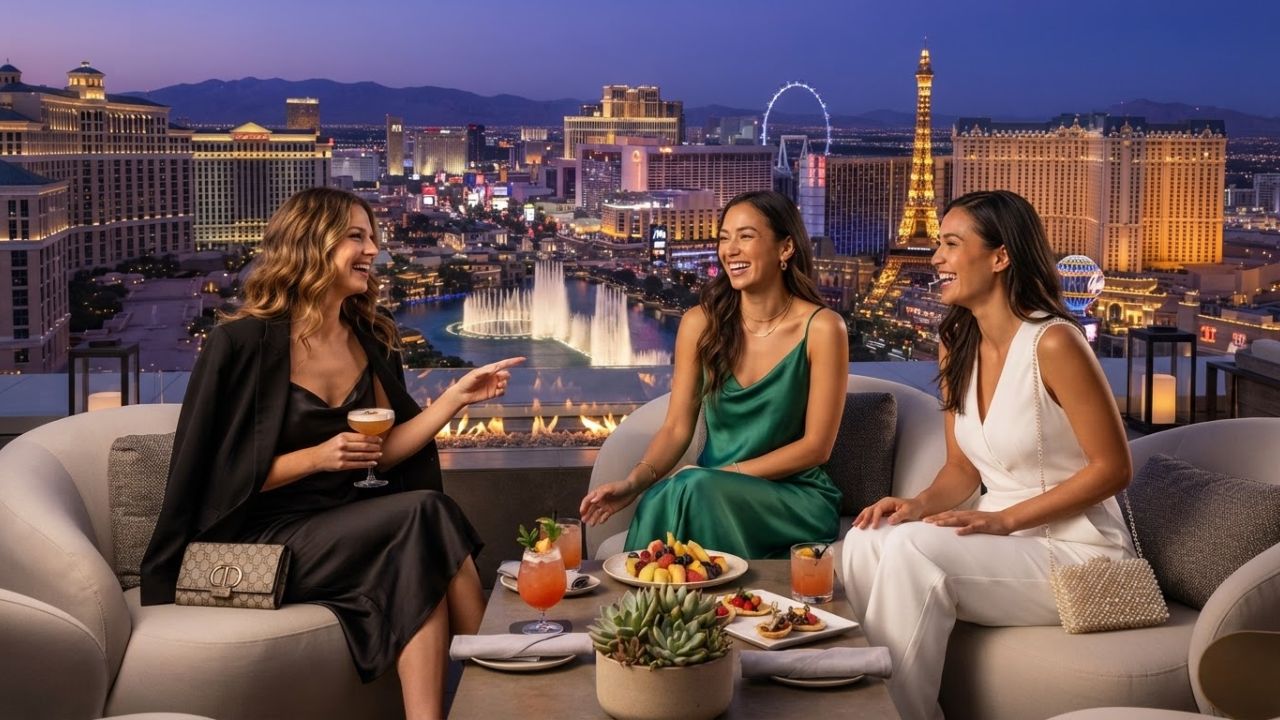
Image generated by AI
Las Vegas has been named the happiest travel destination in the United States, scoring 88 out of 100 to tie with Oaxaca, Mexico for third place globally in a survey analyzing over 1 million reviews across 155 global destinations.
The Local Trend Revealed: Beyond Casino Tourism
The Nevadan city is recording a transition in its travel profile, evolving from a gambling-focused hub into a multi-product celebration capital. In the Happy Place index compiled by Irish travel insurance company JustCover, which analyzed over 1 million traveler reviews across 155 destinations, Las Vegas scored 88 out of 100. This score outranked traditional holiday locations like Maui and New York City, tying with Oaxaca, Mexico, for the third spot globally, behind Tulum and Soufriere.
Las Vegas's tourism model is supported by a diverse entertainment and dining ecosystem. The city's development began with the opening of the Flamingo Casino Hotel in 1946 and has expanded to include high-tech, immersive venues like the Sphere, which launched in 2023. The Strip stretches 4.3 miles and welcomes more than 40 million visitors each year. Travelers also explore beyond the central resort corridor, visiting cultural museums like the Neon Museum, Mob Museum, and Atomic Testing Museum, alongside natural highlights such as Red Rock Canyon, Valley of Fire State Park, and the Hoover Dam.
JustCover Happy Place Index and Las Vegas Metrics (2026)
| Survey & Travel Parameter | Recorded Index / Value | Geographic Focus | Key Economic Driver |
|---|---|---|---|
| Happy Place Index Score | 88 out of 100 (Rank 3 globally) | Las Vegas & Oaxaca tie | Drives repeat travel and positive reviews |
| Global Survey Scope | 155 popular destinations | Over 1 million reviews analyzed | Evaluates emotional language trends |
| Annual Strip Visitors | More than 40 million | Mandalay Bay to the Strat | Supports local hotels and retail trade |
| Strip Transit Length | 4.3 miles along main boulevard | Central resort corridor | Monorail, bus, and ride-hailing options |
| Resort Fee Range | $20 to $60 per night | Strip and Downtown hotels | Covers local pool, gym, and Wi-Fi access |
| Historical Milestones | Flamingo (1946) & Sphere (2023) | Urban and digital spaces | Blends historic signs with modern tech |
Cultural & Environmental Value: Supporting Water Recycling and Desert Lands
For the traveler, the real impact of this diversified travel model is the opportunity to practice responsible urban tourism that supports local communities and protects the fragile Mojave Desert environment. By walking the historic Fremont Street, hiring local guides for desert excursions, and dining in family-run restaurants in the Arts District, visitors ensure their spending directly benefits local residents.
Mapped in coordination with the Las Vegas Convention and Visitors Authority (LVCVA) and regional land trusts, these sustainable initiatives fund advanced water conservation systems that recover resort water for Lake Mead. This preserves natural habitats while keeping the city economically stable, demonstrating how high-volume tourism can co-exist with desert environmental goals.
Destination Specialist Local Insider Tips
To help you plan your Las Vegas vacation comfortably and manage resort budgeting effectively, regional specialists offer the following tips:
- Savor Chicharron Tacos in the Arts District: Experience local gastronomy. Try traditional Chicharron Tacos or slow-cooked mesquite brisket at independent eateries in Downtown Las Vegas.
- Travel During Spring or Autumn: Plan your stay between March and May, or September and November, to enjoy comfortable outdoor weather and avoid the summer desert heat.
- Calculate Resort Fees in Advance: Budget beyond the advertised room rate. Expect additional resort fees ranging from approximately $20 to $60 per night charged at checkout.
- Coordinate Transportation Along the Strip: The Strip is longer than it appears. Do not attempt to walk the entire 4.3 miles between Mandalay Bay and the Strat; use the monorail or ride-hailing apps instead.
- Explore the Atomic Testing Museum: Visit this under-the-radar museum to examine rare historical artifacts, nuclear test records, and interactive simulations detailing Nevada's testing history.
Long-Term Outlook: Tech Integration and Climate Resilience
The long-term outlook for Las Vegas’s visitor economy relies on expanding its entertainment and technology-driven infrastructure while maintaining robust water recycling programs. By balancing convention and sports arrivals with cultural tourism and environmental stewardship, the city builds a resilient destination brand. Through continued collaboration between the LVCVA, resort operators, and regional environmental groups, Las Vegas is positioned to remain a leading global leisure and celebration hub.
Related Travel Guides
Disclaimer
This article is for informational and educational purposes only. It does not constitute legal, financial, or professional advice. While we strive to provide accurate and up-to-date information, travel policies, regulations, and conditions change rapidly. Always verify information with official sources before making travel decisions. Nomad Lawyer makes no representations about the accuracy, reliability, completeness, or suitability of the information provided. Readers should consult qualified professionals for advice specific to their circumstances. The views expressed in this article are those of the author and do not necessarily reflect the views of Nomad Lawyer.
Raushan Kumar
Founder & Lead Developer
Full-stack developer with 11+ years of experience and a passionate traveller. Raushan built Nomad Lawyer from the ground up with a vision to create the best travel and law experience on the web.
Learn more about our team →