
Laos and Cambodia Lead Southeast Asia Budget Travel Shift as Affordable Alternatives to Thailand in 2026
Laos, Cambodia, and the Philippines are emerging as the primary budget travel powerhouses of 2026, challenging Thailand's dominance by offering lower costs and authentic cultural experiences.

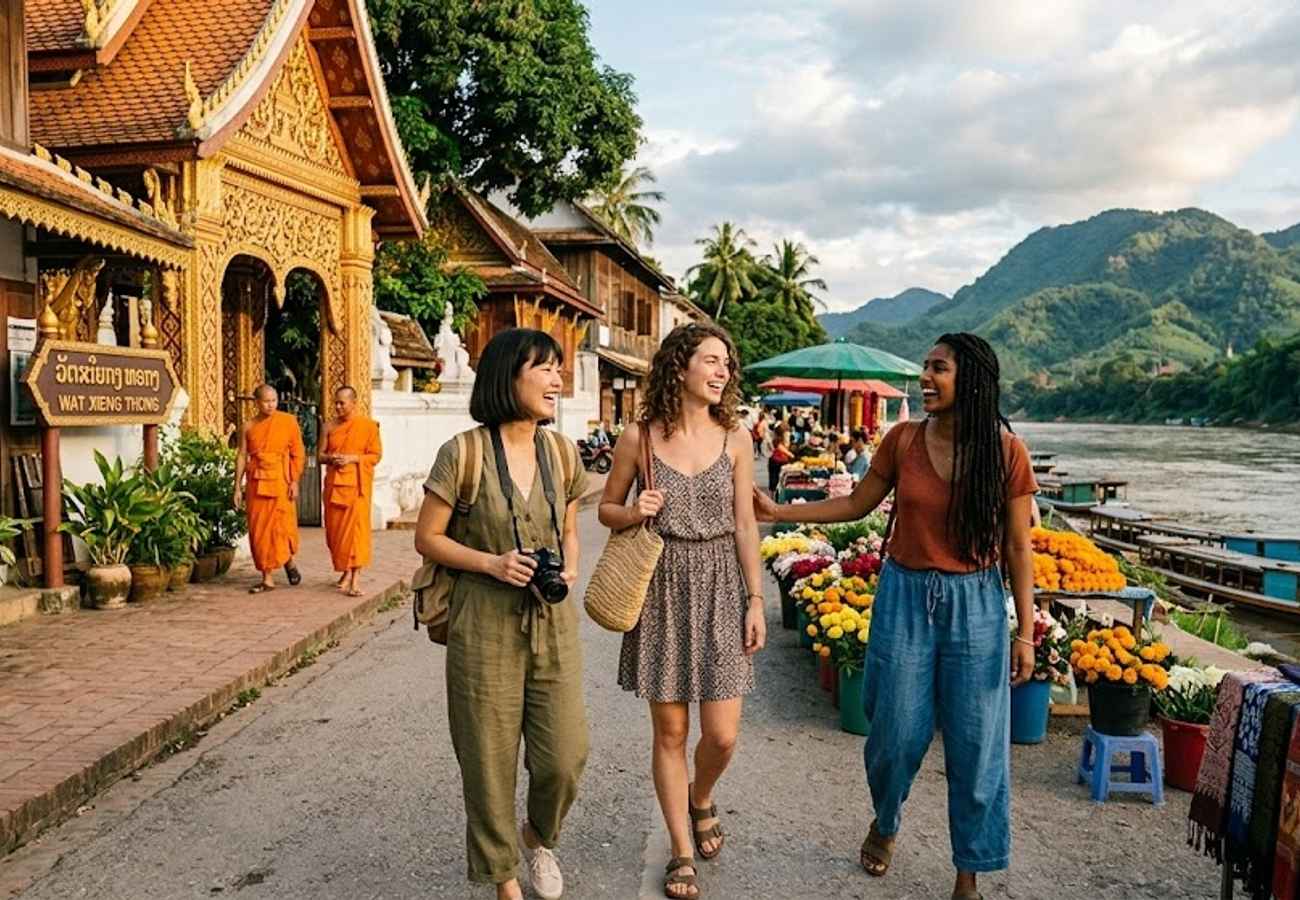
Image generated by AI
Headline Options:
- Factual/News: Laos, Cambodia, and the Philippines Emerge as Primary Budget Tourism Alternatives to Thailand for Global Travelers in 2026
- Curiosity-Gap (Discover): The "Thailand Experience" Has Moved: Why Millions of Travelers are Switching to These Affordable Southeast Asian Giants in 2026
- Problem-Solving (Search): How to Travel Southeast Asia on a Budget in 2026: The Best Affordable Alternatives to Thailand
The "Thailand Effect" is shifting. As costs climb in Bangkok and Phuket, a new corridor of affordability is opening across Laos, Cambodia, and the Philippines, offering the raw adventure and low price points that once defined the classic backpacker trail.
The Core Transit Update: A Regional Pivot in Affordability
The Southeast Asian tourism map is undergoing a significant realignment in 2026. While Thailand has long been the epicenter of budget travel, escalating costs in primary hubs—specifically Bangkok, Chiang Mai, Koh Phi Phi, and Koh Samui—have pushed price-sensitive travelers toward emerging alternatives.
This shift is not a replacement of Thailand, but rather a diversification of the regional "value circuit." Travelers are now prioritizing destinations where tourism infrastructure is expanding but price inflation remains low. The primary beneficiaries of this trend are Laos, Cambodia, Vietnam, the Philippines, Sri Lanka, and Indonesia (specifically regions beyond Bali). These nations are leveraging their untapped landscapes and authentic cultural heritage to capture the demographic of "experience-focused" budget explorers.
Regional Budget Transit & Destination Specifications
The following table outlines the primary budget-friendly hubs currently challenging the traditional Thailand route.
| Destination | Primary Budget Hubs | Key Transit/Attractions | Value Proposition |
|---|---|---|---|
| Laos | Luang Prabang, Vang Vieng, 4,000 Islands | Mekong River, UNESCO sites, Nam Song River | Slow travel, low density, high authenticity |
| Cambodia | Siem Reap, Koh Rong, Koh Rong Samloem | Angkor Wat, Gulf of Thailand beaches | Ancient heritage combined with low-cost coastlines |
| Philippines | Palawan (El Nido, Coron), Siargao | 7,000+ islands, diving sites, surfing hubs | English-friendly, superior marine biodiversity |
| Vietnam | Major cities and coastal belts | Urban centers, diverse landscapes | High-density budget network and street food culture |
Traveler Logistics Guide: Navigating the New Budget Circuit
From a ground-level perspective, navigating this decentralized route requires a different approach than the highly streamlined Thai tourist machine.
Booking Connections and Layovers Unlike the seamless hub-and-spoke system of Bangkok, traveling through Laos and Cambodia often involves "slow transit." When planning trips to Luang Prabang or the 4,000 Islands, allow for longer layovers and utilize regional bus networks or the expanding rail links. For those heading to the Philippines, prioritize domestic flights between Manila and Palawan, but book these at least 30 days in advance to avoid the "last-minute" premium common in island logistics.
Navigating Customs and Digital Policies Travelers should stay updated on the evolving e-visa landscapes. Cambodia and Laos have streamlined their digital entry permits, but always verify the current requirements via official government portals. For those entering the Philippines, ensure all health and customs declarations are completed digitally to expedite transit through Ninoy Aquino International Airport.
Optimal Transit Strategy To maximize value, avoid "tourist bubbles." In Cambodia, while Siem Reap is the gateway to Angkor Wat, the real budget gains are found in the coastal regions of Koh Rong Samloem, which remains less commercialized than its neighbors. In Laos, the "slow boat" from the Thai border to Luang Prabang remains the gold standard for budget-conscious, immersive transit.
Infrastructure Impact Assessment
This shift is triggering a rapid expansion of tourism infrastructure in previously underserved areas. In Laos, the focus is on "slow tourism," preserving traditional lifestyles while improving road and rail access. In Cambodia, the growth of the Siem Reap ecosystem is now extending toward the coast, creating a dual-threat of culture and beach tourism.
The Philippines is seeing a surge in digital nomad infrastructure, particularly in Siargao, where the intersection of surfing culture and remote work is driving the development of co-living spaces and high-speed internet hubs. This regional redistribution of wealth and visitors reduces the "over-tourism" pressure on Thailand's fragile ecosystems while accelerating economic development in the Mekong region and the Philippine archipelago.
The era of the single-destination budget trip is over; the 2026 traveler is now building multi-country circuits to find the best value.
Related Travel Guides
Disclaimer
This article is for informational and educational purposes only. It does not constitute legal, financial, or professional advice. While we strive to provide accurate and up-to-date information, travel policies, regulations, and conditions change rapidly. Always verify information with official sources before making travel decisions. Nomad Lawyer makes no representations about the accuracy, reliability, completeness, or suitability of the information provided. Readers should consult qualified professionals for advice specific to their circumstances. The views expressed in this article are those of the author and do not necessarily reflect the views of Nomad Lawyer.

Kunal K Choudhary
Co-Founder & Contributor
A passionate traveller and tech enthusiast. Kunal contributes to the vision and growth of Nomad Lawyer, bringing fresh perspectives and driving the community forward.
Learn more about our team →