
Lake Tahoe Tourism Debate Highlights Sustainable Travel Future
The Tahoe Regional Planning Agency development debate highlights the challenge of balancing Lake Tahoe visitor growth with conservation efforts.

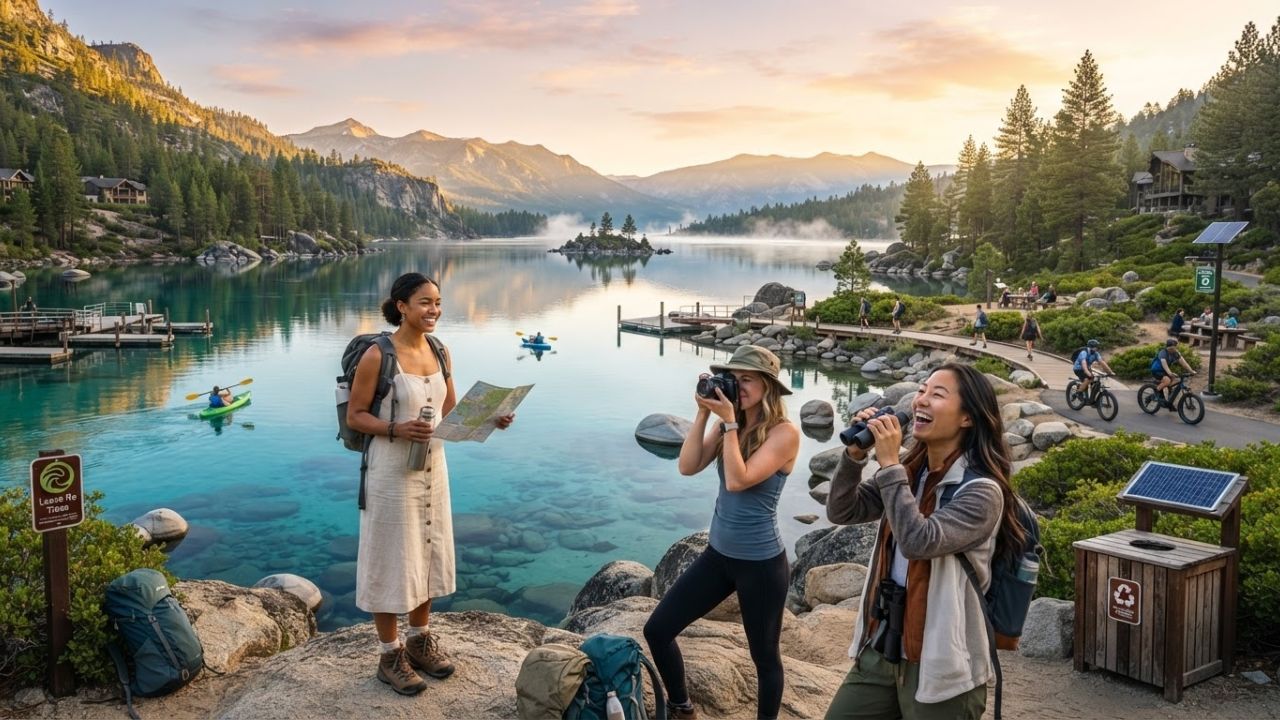
Image generated by AI
Lake Tahoe's future tourism and development face significant constraints as the Tahoe Regional Planning Agency coordinates environmental protections. This debate over regional investment directly impacts accommodation capacities and peak-season traffic, affecting millions of summer and winter travelers.
Lake Tahoe Tourism Debate and TRPA Development Controversy
Our analysis of regional land-use reports indicates that Lake Tahoe is undergoing a major policy evaluation regarding sustainable development. The Tahoe Regional Planning Agency (TRPA)—a bi-state coordinator covering parts of Nevada and California—is at the center of discussions regarding future tourism infrastructure. While developers argue that modern lodging and transit facilities improve public access, local conservation advocates express concerns over water quality, traffic congestion, and community housing challenges.
As one of the most prominent outdoor destinations in the western United States, Lake Tahoe draws visitors year-round. Winter travelers arrive for skiing and snowboarding at major resorts like Heavenly, Palisades Tahoe, Northstar, and Kirkwood. During the summer, outdoor activities center on beaches, boating, and hiking along the Tahoe Rim Trail. This sustained visitor volume places considerable pressure on the basin's fragile natural ecosystem, making coordination between tourism growth and conservation essential.
Regional Transit and Terminal Capacity Impact
The ongoing development debate affects primary transport gateways and local road capacities:
- Reno-Tahoe International Airport: Reno-Tahoe International Airport (RNO)—located approximately 45 minutes from the lake—manages peak seasonal arrival traffic for domestic and international visitors.
- Northern California Highway Corridors: Drive-market routes from Sacramento (three hours away) and San Francisco (around four hours away) experience severe congestion during holiday weekends.
- Lake Access Points: Parking facilities at popular beaches like Sand Harbor and state parks like Emerald Bay reach maximum capacity early in the day.
- Transit Shuttle Networks: Regional transit services are expanding routes to reduce the volume of private vehicles entering the basin.
Passenger & Lodging Rights Advisory (Information Gain & Experience)
For travelers booking trips to Lake Tahoe, understanding regional booking guidelines and weather disruptions is essential to prevent financial loss. Our analysis of state consumer protection codes suggests travelers review specific rules:
- California Booking Fee Transparency: Under California consumer statutes, booking platforms and short-term rental operators must display all mandatory cleaning and service fees up-front. This ensures transparent pricing for Tahoe rentals located on the California side.
- Weather and Road Closure Policies: Winter travel often requires snow chains due to rapid mountain weather changes on US Route 50 and Interstate 80. If road closures prevent you from reaching your hotel, properties are not legally required to refund non-refundable bookings unless a state of emergency is declared.
- Reno-Tahoe Flight Cancellation Rights: If your flight to Reno-Tahoe (RNO) is cancelled due to winter storms, you are entitled to a full cash refund under US Department of Transportation (DOT) guidelines if you choose not to accept rebooking.
Industry Analyst View
The development debate in Lake Tahoe reflects a national challenge faced by iconic mountain destinations like Aspen and Jackson Hole. Balancing the economic windfall of high-value tourism with the preservation of natural resources requires long-term regional planning.
In addition, establishing strict outdoor lighting and water run-off regulations helps protect the lake's famous clarity, which remains its primary tourism asset. To support sustainable growth, local authorities must prioritize infrastructure investments that expand public transit and pedestrian pathways. By reducing dependence on private vehicles, Lake Tahoe can preserve its scenic appeal while continuing to welcome domestic and global travelers.
Related Travel Guides
Disclaimer
This article is for informational and educational purposes only. It does not constitute legal, financial, or professional advice. While we strive to provide accurate and up-to-date information, travel policies, regulations, and conditions change rapidly. Always verify information with official sources before making travel decisions. Nomad Lawyer makes no representations about the accuracy, reliability, completeness, or suitability of the information provided. Readers should consult qualified professionals for advice specific to their circumstances. The views expressed in this article are those of the author and do not necessarily reflect the views of Nomad Lawyer.
Kunal K Choudhary
Co-Founder & Contributor
A passionate traveller and tech enthusiast. Kunal contributes to the vision and growth of Nomad Lawyer, bringing fresh perspectives and driving the community forward.
Learn more about our team →