
Kyushu Positions As Japan Wellness Hub As Hot Spring Tourism Experiences A Massive Boom In Healing Travel
Kyushu Positions As Japan Wellness Hub As Hot Spring Tourism Experiences A Massive Boom In Healing Travel

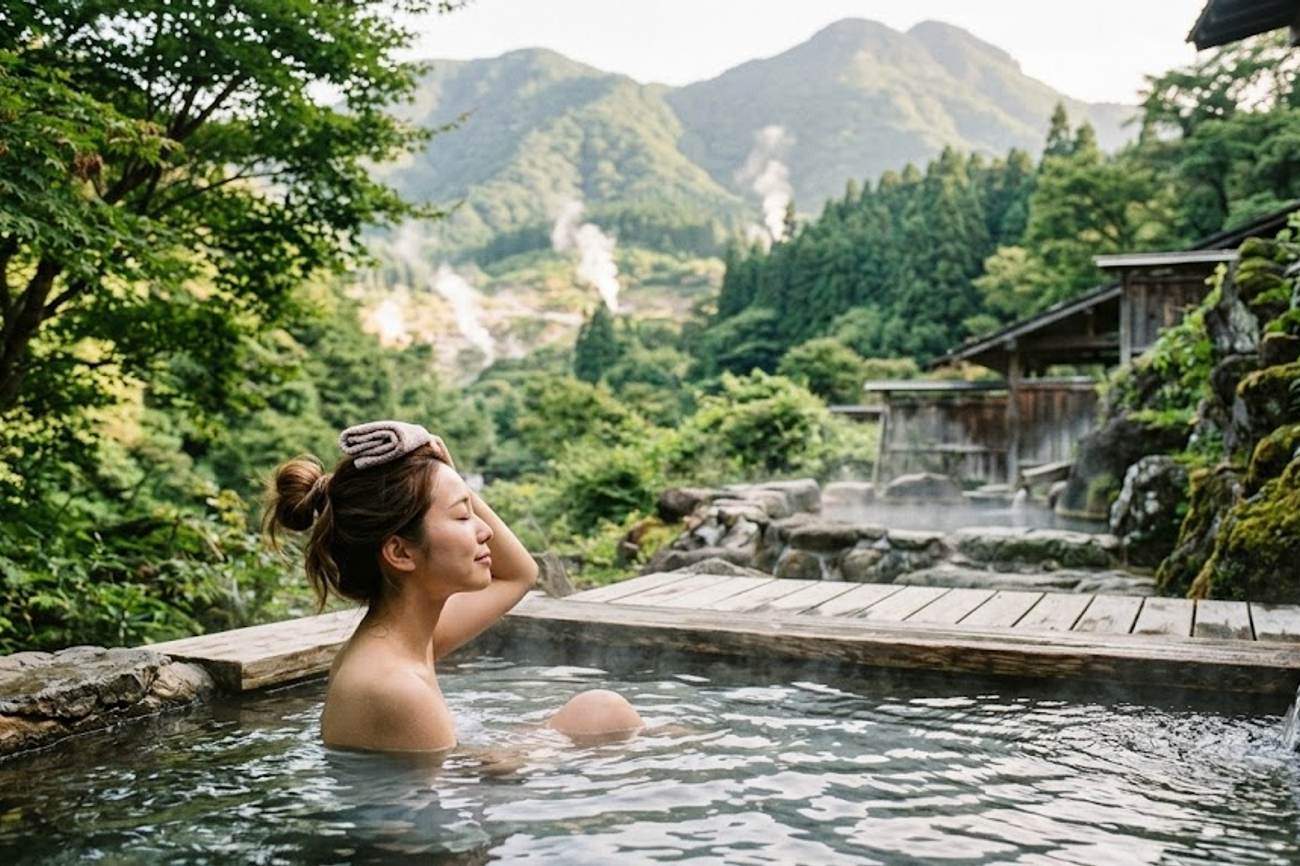
Image generated by AI
A traveler arriving at Fukuoka Airport discovers their meticulously planned wellness retreat in Kyushu is suddenly unattainable due to a series of regional infrastructure delays and overbooked luxury sanctuaries. This scenario is becoming increasingly common as the region shifts from passive sightseeing to high-intensity wellness tourism, leaving passengers caught between rigid booking contracts and the reality of evolving hospitality developments.
The Kyushu Wellness Infrastructure Expansion
The southern island of Japan is currently undergoing a systemic transformation of its tourism model, moving away from traditional "exhaustion-based" sightseeing toward emotional restoration. This shift is driven by a recognized lack of existing amenities capable of supporting true relaxation, prompting a massive wave of investment across seven prefectures. The goal is to create a network of "restorative" travel styles that mitigate the post-vacation drainage often felt by international visitors.
This expansion is not merely aesthetic but structural. In Nagasaki, the hospitality sector is integrating updated private open-air baths that connect directly to authentic mineral hot springs. Kumamoto is expanding its capacity with a specialized seventeen-room sanctuary scheduled to open in November 2026, which will combine private thermal facilities with seasonal foraging. This movement is part of a broader global trend where regional governments collaborate to train the industry in "restorative" practices, aiming to turn the region into a premier global sanctuary for long-haul travelers who prioritize privacy and natural healing over crowded public attractions.
Regional Thermal Hubs and Geographic Assets
The disruption of traditional travel patterns is most evident in the way geography is being leveraged for health itineraries. The region has segmented its offerings into specific environmental niches:
- Kagoshima: Focuses on deep-forest relaxation within UNESCO World Heritage sites and the traditional geothermal shoreline sand bathing found in Ibusuki.
- Miyazaki: Specializes in coastal restoration, pairing surfside yoga at Aoshima with oceanfront hot springs along the Nichinan Coast.
- Oita: Remains the powerhouse of thermal output, with Beppu serving as the center for Japan’s largest hot spring volume.
- Kumamoto: Highlights the Kurokawa Onsen village, where a multi-bath pass system allows guests to navigate various historic inns.
- Saga: Integrates mineral springs in Ureshino and Takeo with artisan ceramic workshops and tea fields.
- Fukuoka: Combines traditional spring accommodations with the canal boat cruises of Yanagawa.
From a technical standpoint, the viability of these developments rests on hydrothermal flow. Oita leads the nation in thermal discharge, producing over 279,000 liters of hot spring water per minute. This massive geothermal yield provides the industrial foundation for the luxury retreats currently being marketed to international visitors.
Your Rights as a Passenger
When traveling to these remote regions, passengers often face disruptions—ranging from flight cancellations into Fukuoka (FUK) or Kumamoto (KMJ) to the failure of luxury resorts to provide "guaranteed" private facilities. Your legal recourse depends on the nature of the disruption.
Flight Disruptions (EU/UK Regulations) If you are flying from an EU or UK airport to Kyushu via a European carrier (or a non-EU carrier departing from the EU), you are protected by EU261/2004 or the UK equivalent. For flights exceeding 3,500 km, a cancellation with less than 14 days' notice or a delay of over three hours entitles you to up to €600 (£520) in compensation, provided the disruption was not caused by "extraordinary circumstances." You can verify your flight status through the British Airways Flight Status page or similar carrier portals.
US DOT Protections For passengers traveling from the US, the Department of Transportation (DOT) mandates that if a flight is significantly changed or cancelled, the passenger is entitled to a full refund of the ticket price, regardless of whether the ticket was "non-refundable." You can file formal complaints or seek guidance via the US DOT Air Consumer portal.
Hospitality and Booking Contracts Many of the new "sanctuaries" in Kyushu operate under strict luxury contracts. If a facility promised a private thermal spring that is unavailable upon arrival, this constitutes a breach of contract. Under Japanese consumer law, you may be entitled to a partial refund or an upgrade. It is recommended to document the lack of amenities immediately upon check-in.
Rebooking Strategy and Alternatives
If your primary destination in Kyushu is unavailable or overbooked, the "multi-prefecture balance" of the region allows for strategic pivoting.
Alternative Route Mapping If Kumamoto is inaccessible, pivot to Oita. Because Oita has the highest thermal discharge in Japan, the density of available bathhouses is higher, making it easier to find last-minute high-end alternatives. Use FlightRadar24 to monitor regional hopper flights or check the CAA for guidance on rerouting rights.
Refund vs. Rebooking Trade-offs In the current wellness tourism market, "narrative-driven" itineraries represent 52% to 68% of experiential sales. If your specific "story-based" retreat is cancelled, do not settle for a generic hotel refund. Demand a "comparable restorative experience." In Kyushu, this means swapping a forest retreat in Kagoshima for a coastal retreat in Miyazaki.
Transport Alternatives Given the dispersal of tourism away from Tokyo and Kyoto, regional rail and private shuttles are the primary lifelines. If flight connections to smaller airports fail, reroute through Fukuoka and utilize the Shinkansen network to reach the southern prefectures.
FAQ: Kyushu Wellness Travel 2026
Am I entitled to compensation for a cancelled flight to Fukuoka? Yes, if departing from the EU/UK on a covered airline, you may be entitled to up to €600 under EU261/2004. For US departures, you are entitled to a full refund via DOT rules if the flight is cancelled.
Can I get a refund if my luxury onsen facility is unavailable? Yes. If the specific amenity (e.g., a private mineral bath) was a primary condition of the booking and is unavailable, you have grounds for a partial refund based on the breach of the service contract.
What are the best alternative routes if Kumamoto is overbooked? Pivot to Oita or Saga. Oita offers the highest volume of thermal springs, while Saga provides a similar blend of mineral baths and artisanal culture, reducing the impact on your restorative itinerary.
How do I track regional flight disruptions in Japan? Use real-time tracking tools like FlightAware to monitor arrivals at FUK, KMJ, and KOJ to anticipate delays before they result in missed luxury bookings.
Secure your restoration by knowing your rights before the journey begins.
Related Travel Guides
- Norway Keeps Røst–Værøy Travel Free Via Bodø and Moskenes While Nordland Introduces Tourist Summer Ferry Fees
- Lake Garda Italy Tourism Surges With Hidden Gems, Scenic Views And Luxury Escapes
- Japan Joins Sri Lanka and Thailand as Experinecing a Wane in August Tourism as International Tourists are Vanishing
Disclaimer
This article is for informational and educational purposes only. It does not constitute legal, financial, or professional advice. While we strive to provide accurate and up-to-date information, travel policies, regulations, and conditions change rapidly. Always verify information with official sources before making travel decisions. Nomad Lawyer makes no representations about the accuracy, reliability, completeness, or suitability of the information provided. Readers should consult qualified professionals for advice specific to their circumstances. The views expressed in this article are those of the author and do not necessarily reflect the views of Nomad Lawyer.
Naina Thakur
Contributor & Travel Specialist
Travel enthusiast and legal writer covering visa regulations, responsible tourism, and cultural journeys across global destinations.
Learn more about our team →