
Klosters Switzerland Tourism 2026: Autumn Hiking, Wellness, and UNESCO Rail Escapes
Discover why Klosters Switzerland is emerging as a premier year-round destination for autumn hiking, Alpine wellness, and sustainable UNESCO rail travel in 2026.

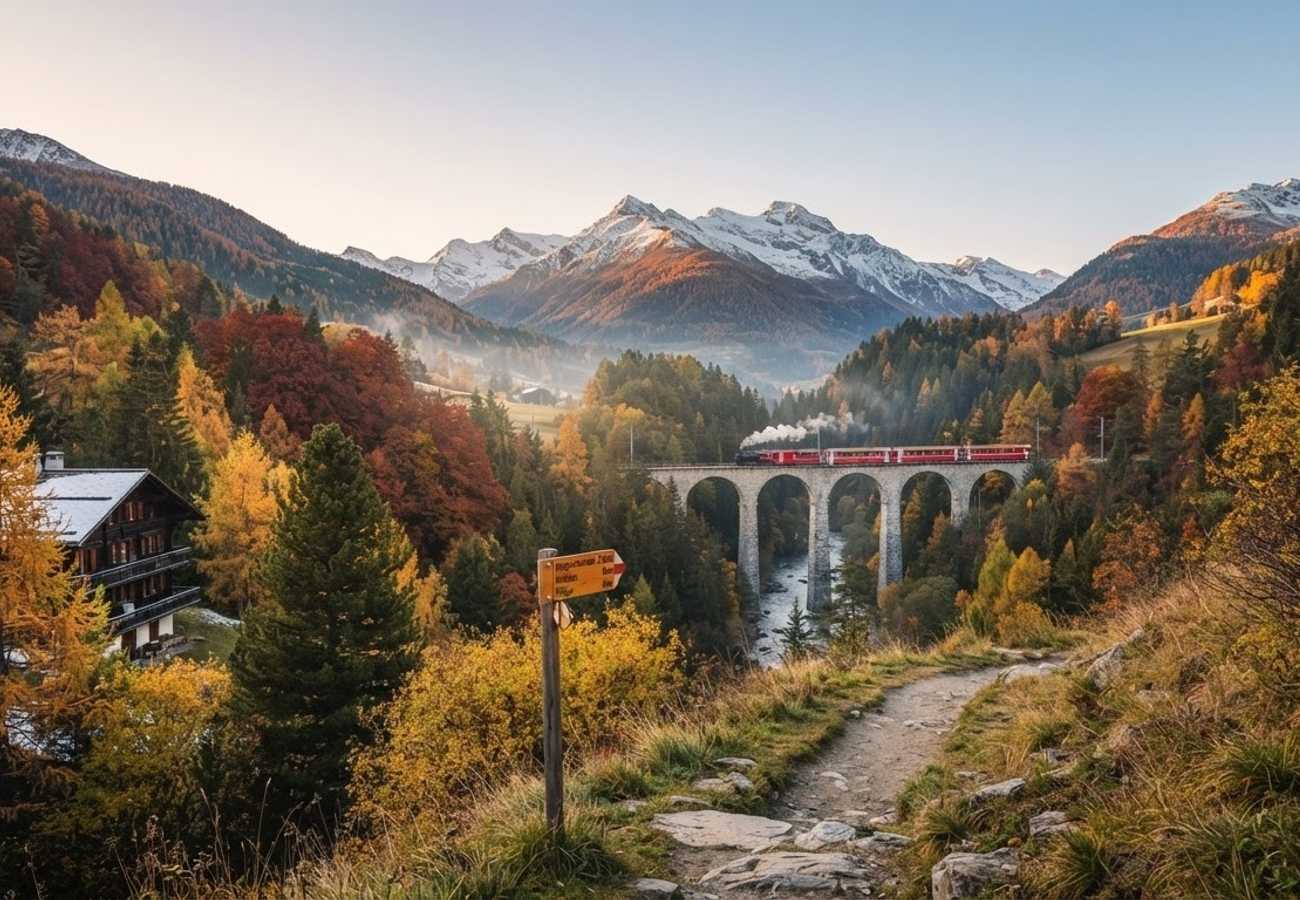
Image generated by AI
September and October offer the most strategic window for visiting Klosters, providing a rare intersection of vivid autumn foliage and a significant drop in seasonal crowds.
The Shift Toward Year-Round Alpine Exploration
For decades, the Graubünden region was viewed primarily through the lens of winter sports. However, a distinct trend is emerging in 2026: the rise of the "shoulder-season" escape. Klosters is successfully pivoting from a ski-centric resort to a year-round sanctuary, attracting a demographic of travelers who prioritize quietude, mental wellness, and slow travel over the high-energy chaos of peak winter or summer.
The attraction lies in the sensory shift of the landscape. As temperatures cool, the Alpine forests transition into deep reds, golds, and oranges. This environmental transformation, combined with the dispersal of mass tourism, allows for a more authentic engagement with the Swiss mountains.
Cultural and Environmental Value
The appeal of Klosters is deeply tied to its integration with the wider Davos-Klosters tourism region. For the visitor, the real impact is the ability to experience high-altitude living without the commercial saturation found in other European hotspots.
A primary pillar of this experience is the commitment to sustainable transit. The region leverages the Rhaetian Railway, a UNESCO-listed network that minimizes the carbon footprint of tourism while maximizing the aesthetic experience. The Landwasser Viaduct serves as more than just a photo opportunity; it is a testament to historic engineering that allows travelers to penetrate remote Alpine valleys without relying on private vehicles.
Furthermore, the proximity to Davos—situated at approximately 1,560 meters (5,118ft)—adds a layer of health-centric tourism. Davos has a long-standing history as a destination for those seeking a clean environment and a unique climate for recuperation, a tradition that continues to influence the wellness offerings in Klosters today.
Active Pursuits and Alpine Wellness
The region's infrastructure supports a spectrum of physical engagement, from high-intensity trekking to restorative spa treatments.
High-Altitude Exploration Mount Madrisa remains the focal point for active visitors. Accessible via cable car, the mountain provides a network of hiking routes that cater to various fitness levels. For those preferring two wheels, the Vereina Valley offers cycling routes that are increasingly accessible to beginners through the use of electric bikes, reducing the barrier to entry for exploring the rugged terrain.
The Wellness Integration The local hospitality sector has evolved to merge traditional chalet aesthetics with modern therapeutic amenities. Wellness in Klosters is not merely about luxury; it is about "balance and recuperation" after physical exertion. Most high-end accommodations now integrate pools, saunas, and Alpine-inspired spa rituals designed to complement the fresh mountain air.
Visitor Insider Tips
To maximize a trip to the Graubünden region, travelers should look beyond the primary brochures:
- The "Quiet Window": Aim for the last two weeks of September. You will catch the peak of the foliage change before the deeper October chill sets in.
- Rail Strategy: When using the Rhaetian Railway, book a seat on the right side of the train for the most dramatic views of the Landwasser Viaduct.
- Local Dining: Seek out mountain inns (Berggasthöfe) along the hiking trails. These offer the most authentic regional specialties, often sourced from the immediate valley.
- Etiquette: When hiking on shared trails, the general Swiss rule is that hikers ascending the mountain have the right of way over those descending.
- Gear Tip: Even in September, the temperature difference between the valley floor and Mount Madrisa is significant. Use a three-layer clothing system (base, insulating, and waterproof shell).
Tourism Outlook
The long-term trajectory for Klosters is one of "quality over quantity." By emphasizing autumn escapes and wellness, the region is insulating itself from the volatility of winter snow patterns and the overcrowding of summer peaks. This strategic diversification supports the local economy by providing steady employment throughout the year rather than relying on a three-month seasonal burst. As travelers continue to move away from generic European holiday spots, the authentic, slow-paced allure of Klosters positions it as a leader in the sustainable luxury movement.
A sanctuary where the silence of the peaks speaks louder than the crowds.
Related Travel Guides
Disclaimer
This article is for informational and educational purposes only. It does not constitute legal, financial, or professional advice. While we strive to provide accurate and up-to-date information, travel policies, regulations, and conditions change rapidly. Always verify information with official sources before making travel decisions. Nomad Lawyer makes no representations about the accuracy, reliability, completeness, or suitability of the information provided. Readers should consult qualified professionals for advice specific to their circumstances. The views expressed in this article are those of the author and do not necessarily reflect the views of Nomad Lawyer.
Preeti Gunjan
Contributor & Community Manager
A passionate traveller and community builder. Preeti helps grow the Nomad Lawyer community, fostering engagement and bringing the reader experience to life.
Learn more about our team →