
Kenya and Egypt Drive Tourism Growth via Set-Jetting Trends and Creative Economy Bill 2026
Kenya and Egypt are leveraging the 'set-jetting' phenomenon to boost GDP, with Kenya introducing the Creative Economy Bill 2026 and Egypt recording 19 million visitors.

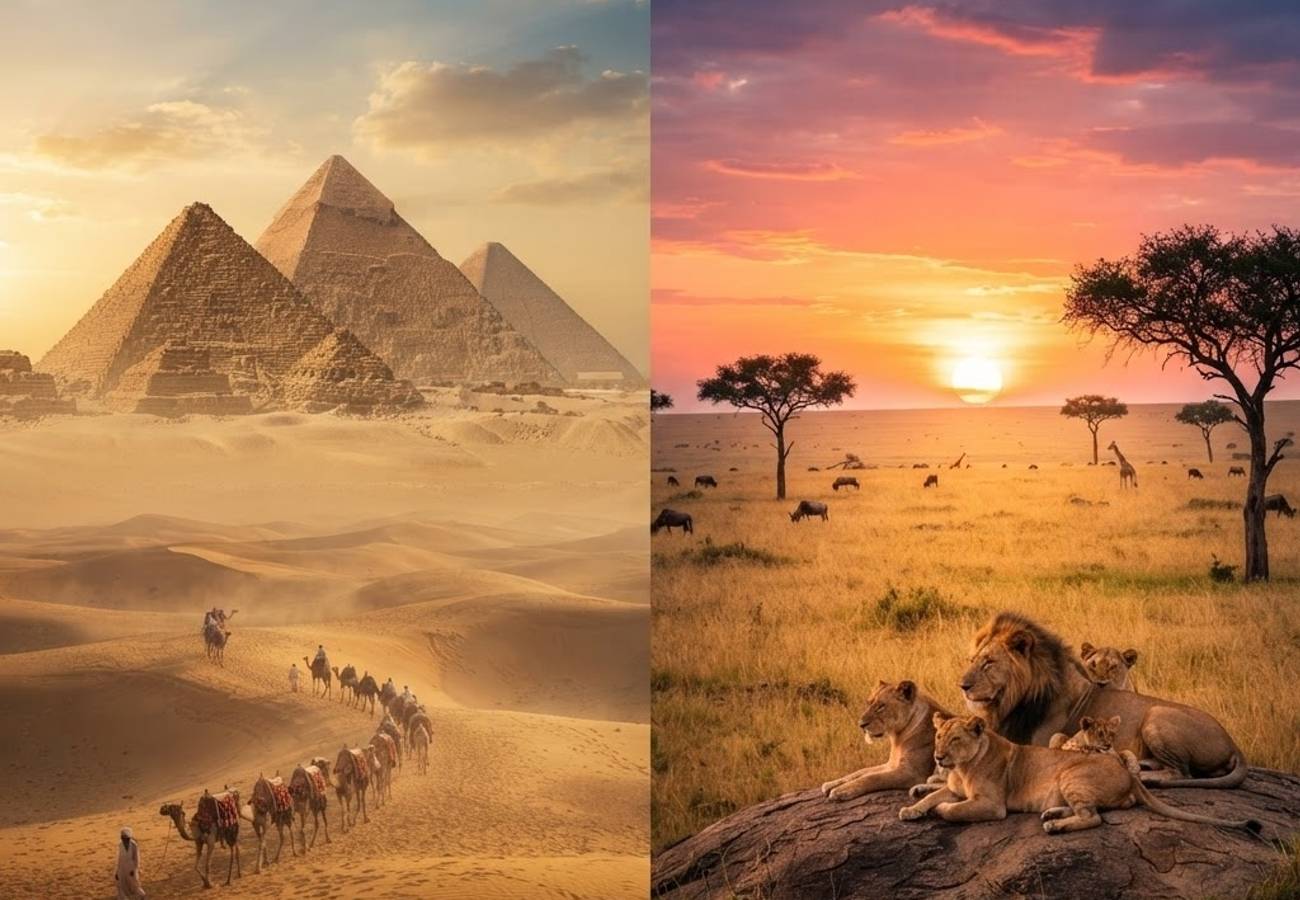
Image generated by AI
81% of Generation Z travelers now plan international trips based on movies and television shows, transforming "set-jetting" from a niche hobby into a primary driver of global macroeconomic growth.
The Rise of the Set-Jetting Economy
The travel industry is witnessing a paradigm shift. Set-jetting—the act of visiting locations featured in popular films and streaming series—has evolved into a central pillar of international tourism. This is no longer just about visiting a famous landmark; it is about narrative-driven immersion.
The financial scale of this shift is immense. According to United Nations Tourism metrics, the global film tourism market reached $66.2 billion by the end of 2025. Projections suggest this will surge to $145.9 billion by 2035. For nations like Kenya and Egypt, this represents a critical opportunity to diversify their economies by attracting international production houses and the subsequent waves of fans.
Kenya: Legislative Overhaul for Cinematic Growth
Kenya is moving beyond the nostalgic legacy of Out of Africa to build a modernized, production-friendly ecosystem. The centerpiece of this strategy is the Creative Economy Bill 2026, proposed on August 25, 2026.
This legislation aims to repeal the outdated Films and Stage Plays Act to remove bottlenecks that previously discouraged Hollywood and European studios. The government is implementing a sophisticated institutional split to ensure efficiency:
- Kenya Audio-Visual and Cinema Commission (Clause 7(1)): Dedicated exclusively to the international promotion and marketing of the audio-visual industry.
- Kenya Audio-Visual Regulatory Authority (Clause 21(1)): Focused on licensing, classification, and ethical oversight.
Financial backing has matched these legislative ambitions. In the 2025-2026 national budget, funding for the Kenya Film Commission more than doubled, increasing from KSh 74 million in 2024 to KSh 166.5 million. To support local talent, Clause 37 introduces a voucher system for equipment and training, while Clause 35(1) establishes the Kenya School of Film and Creative Arts to professionalize the local workforce.
Egypt: Blending Antiquity with Modern Screen Appeal
While Kenya builds new infrastructure, Egypt is leveraging its existing historical grandeur to dominate the North African market. The results have been record-breaking. By the end of 2025, Egypt accommodated approximately 19.0 million international visitors.
This influx generated nearly $18.8 billion in revenue, contributing over 4.7% to the national GDP. The impact on the local labor market is equally significant; as of 2025, the tourism sector employs approximately 12% of the Egyptian workforce, supporting everything from luxury hospitality in Cairo to artisan crafts in rural villages. By positioning its monuments as premier filming locations, the Ministry of Tourism and Antiquities is ensuring that historical sites provide long-term economic stability.
Cultural & Environmental Value
For the visitor, the real impact of set-jetting is a move toward deeper cultural engagement. Rather than visiting "tourist traps," travelers are seeking specific coordinates seen on screen, often leading them to lesser-known regions.
In Kenya, this trend is funneling foreign exchange directly into local communities in the Maasai Mara and along the Swahili Coast. When managed through the framework of the Creative Economy Bill, this growth supports regional conservation efforts by proving that living landscapes are more valuable intact than developed. In Egypt, the integration of cinematic marketing with heritage tourism allows for a more sustainable distribution of crowds across various archaeological sites, reducing the pressure on the most visited pyramids.
Visitor Insider Tips
To experience these destinations beyond the screen, consider these local insights:
- Kenya Timing: To avoid the peak "film-tour" crowds, visit the Maasai Mara during the shoulder seasons (June or October). For a more authentic experience, engage with local guides certified by the Kenya Film Commission who can show you "off-map" locations used in productions.
- Egypt Etiquette: When visiting filming sites near antiquities, always hire a licensed Egyptologist. Many "set-jetting" spots are in sensitive zones; following official regional conservation body guidelines is essential to prevent site degradation.
- Dining Specialty: In Kenya, seek out Nyama Choma (grilled meat) at local community hubs rather than hotel restaurants to directly support the local economy. In Egypt, explore the street food of Cairo's Khan el-Khalili bazaar for authentic Koshary.
Tourism Outlook
The long-term trajectory for both nations is positive, provided they maintain the balance between commercial filming and cultural preservation. By institutionalizing the creative economy, Kenya is securing a competitive edge in the global marketplace. Egypt’s ability to convert cinematic interest into record-breaking GDP contributions proves that heritage, when paired with modern media, is an inexhaustible resource.
The screen is no longer just a window to the world—it is the new travel brochure.
Related Travel Guides
Disclaimer
This article is for informational and educational purposes only. It does not constitute legal, financial, or professional advice. While we strive to provide accurate and up-to-date information, travel policies, regulations, and conditions change rapidly. Always verify information with official sources before making travel decisions. Nomad Lawyer makes no representations about the accuracy, reliability, completeness, or suitability of the information provided. Readers should consult qualified professionals for advice specific to their circumstances. The views expressed in this article are those of the author and do not necessarily reflect the views of Nomad Lawyer.
Naina Thakur
Contributor & Travel Specialist
Travel enthusiast and legal writer covering visa regulations, responsible tourism, and cultural journeys across global destinations.
Learn more about our team →