
US Fall Airfares Surge in 2026: Autumn Tickets Now Cost More Than Summer Flights
The traditional 'shoulder season' disappears as US domestic airfares for fall 2026 jump 39%, driven by record jet fuel costs and diminished low-cost carrier competition.

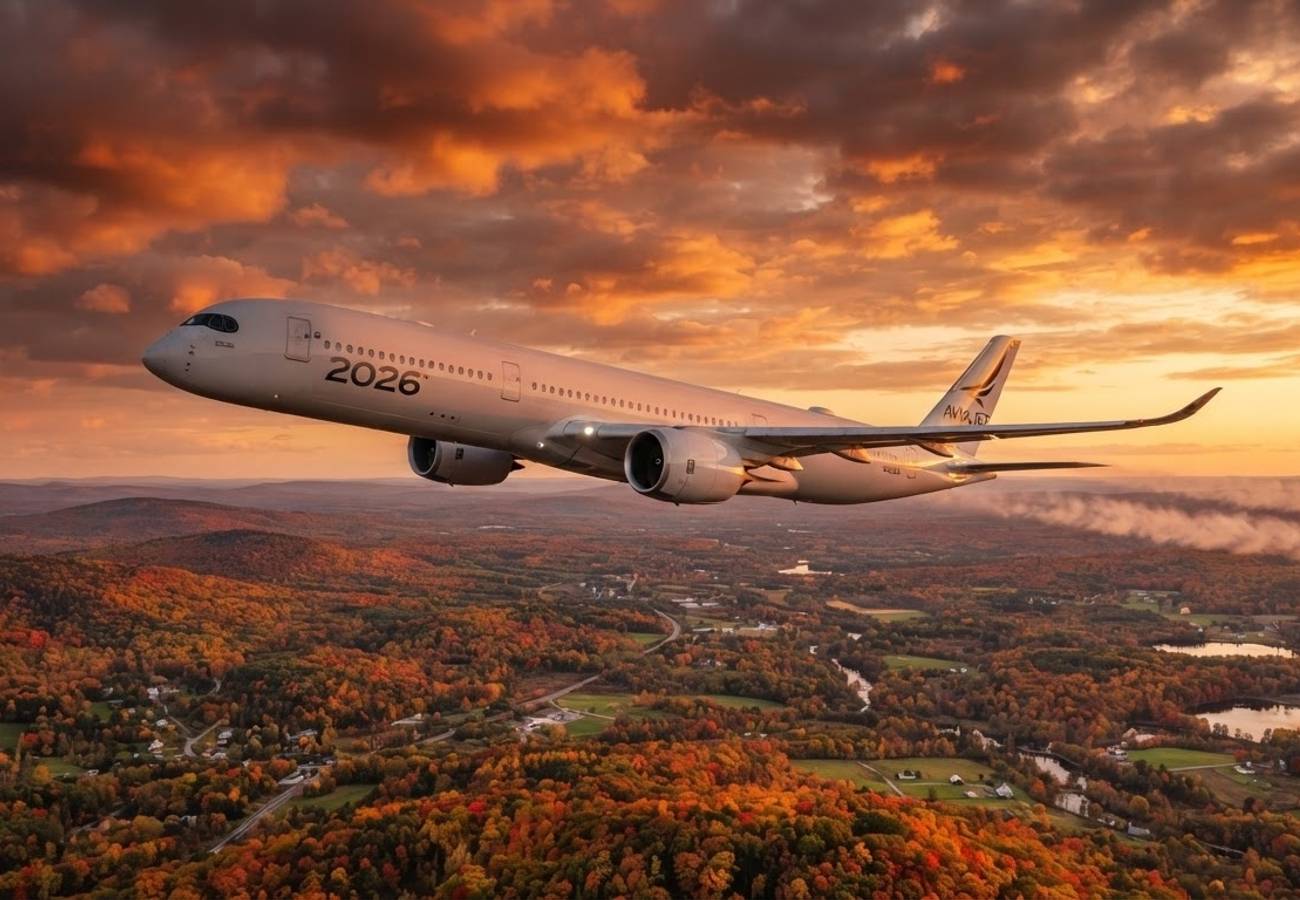
Image generated by AI
Domestic airfares for fall 2026 are averaging $326 per ticket, marking a 39% increase from fall 2025. For the first time in recent history, autumn fares are 1% higher than summer averages, effectively erasing the traditional "shoulder season" discount.
The Death of the Shoulder Season
For decades, the window between Labor Day and early November served as a strategic sanctuary for budget-conscious travelers. As school schedules stabilized and peak summer demand evaporated, airlines typically slashed prices to fill seats. In 2026, that pattern has collapsed.
The shift is driven by a volatile combination of soaring operational overhead and a vacuum in market competition. Airlines are no longer in a position to stimulate demand through aggressive discounting; instead, they are passing unprecedented costs directly to the passenger.
The Fuel Crisis Driving Ticket Prices
The primary catalyst for this pricing shift is the cost of jet fuel. According to IATA, fuel is expected to account for approximately 25.7% of global airline operating costs in 2026. When fuel prices spike, carriers have little choice but to adjust fares in real-time.
The data reflects a harsh reality for the "Big Three" US carriers. The Argus US Jet Fuel Index hit $3.75 per gallon on 24 August, roughly 50% higher than its late-February levels. This sustained pressure is evident in the second-quarter financial reports:
| Airline | Q2 2026 Fuel Expense | Year-on-Year Change | Key Financial Impact |
|---|---|---|---|
| United Airlines | $5.11bn | +84.1% | Expects nearly $6bn additional full-year fuel expense |
| Delta Air Lines | $4.4bn (adjusted) | +77% | Highest quarterly fuel expense in company history |
| American Airlines | >$4.8bn | +83% | Higher fares offset nearly half of fuel headwind |
Market Shifts: Domestic vs. International
While the US domestic market is seeing the sharpest year-on-year climb, the trend is global. Long-haul flights are particularly sensitive to fuel volatility due to the sheer volume of propellant required for transoceanic crossings.
Fall 2026 Airfare Increases by Region:
- US Domestic: +39%
- Europe: +33%
- Mexico and Central America: +31%
- Asia, Middle East, and Africa: +17%
The Bureau of Transportation Statistics (BTS) reported an inflation-adjusted average domestic fare of $428 in the first quarter of 2026, a 4.7% increase over the previous quarter. This baseline inflation, combined with the autumn surge, suggests a permanent upward shift in the cost of air travel.
The Competition Vacuum
Fuel is not the only factor. The pricing ecosystem has been fundamentally altered by the exit of Spirit Airlines. Historically, ultra-low-cost carriers (ULCCs) acted as a price ceiling for the industry. When a budget carrier enters a route, average fares can drop by 20% initially, settling at about 10% below previous levels.
Without the aggressive pricing pressure from Spirit, legacy carriers have more leverage to maintain high fares. Travelers are now facing a "perfect storm": higher operational costs for the airlines and fewer low-cost alternatives for the consumer.
Visitor Insider Tips for 2026 Autumn Travel
Navigating this high-cost environment requires a shift in booking strategy. To avoid the steepest premiums, consider these local and industry-specific tactics:
- The "Secondary Hub" Pivot: Avoid primary hubs like JFK or LAX. Check regional airports (e.g., Stewart International instead of JFK) where landing fees are lower and carriers may offer more competitive rates to attract traffic.
- Mid-Week Migration: With the disappearance of the seasonal discount, the only remaining "cheap" windows are Tuesdays and Wednesdays. Avoid Friday and Sunday departures at all costs.
- The Total Cost Audit: Since the US Department of Transportation excludes ancillary charges from official fare data, always calculate the "real price." In 2026, baggage fees and seat selections are increasingly used by airlines to recoup fuel losses.
- Dynamic Tracking: Use fare-tracking tools to monitor volatility. Because fuel prices are fluctuating weekly, a ticket purchased on a Monday may be significantly different by Thursday.
Tourism Outlook
The erasure of the shoulder season suggests a long-term restructuring of the travel calendar. If fuel costs remain elevated and low-cost competition stays stagnant, "off-peak" travel may become a thing of the past. Regional tourism boards may need to pivot their marketing to attract higher-spending demographics or develop more localized, ground-based tourism initiatives to offset the cost of arrival.
The era of the cheap autumn getaway has officially been grounded.
Related Travel Guides
Disclaimer
This article is for informational and educational purposes only. It does not constitute legal, financial, or professional advice. While we strive to provide accurate and up-to-date information, travel policies, regulations, and conditions change rapidly. Always verify information with official sources before making travel decisions. Nomad Lawyer makes no representations about the accuracy, reliability, completeness, or suitability of the information provided. Readers should consult qualified professionals for advice specific to their circumstances. The views expressed in this article are those of the author and do not necessarily reflect the views of Nomad Lawyer.
Kunal K Choudhary
Co-Founder & Contributor
A passionate traveller and tech enthusiast. Kunal contributes to the vision and growth of Nomad Lawyer, bringing fresh perspectives and driving the community forward.
Learn more about our team →