
Bike Camping Takes Off as America's Hottest Adventure Trend in 2026
Bike camping is surging across America in 2026 as adventure travelers combine cycling with backcountry exploration. This hybrid outdoor trend is reshaping how nomads experience scenic routes and remote landscapes.

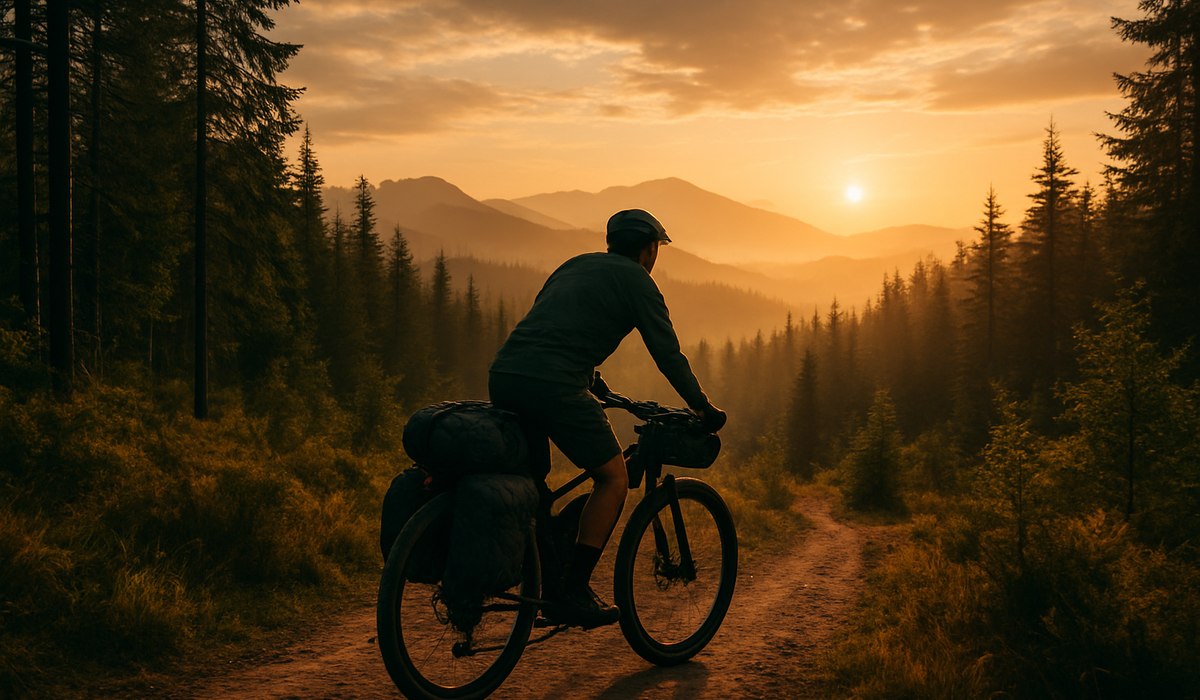
Image generated by AI
Bike Camping Boom: America's Fastest-Growing Outdoor Adventure
Bike camping is experiencing unprecedented growth across the United States as adventure seekers discover the perfect fusion of cycling and backcountry exploration. This hybrid outdoor activity combines pedal-powered transportation with overnight camping on remote trails and scenic byways. The trend has gained traction among nomadic travelers, digital workers, and outdoor enthusiasts seeking affordable, eco-friendly ways to explore America's most beautiful landscapes. Unlike traditional road trips or car camping, bike camping offers intimate access to nature while maintaining the freedom of independent travel. Participants range from beginners tackling weekend getaways to experienced cyclists completing multi-week expeditions across regional routes.
What Is Bike Camping and Why It's Taking Off
Bike camping represents the intersection of two beloved outdoor pursuits: long-distance cycling and wilderness camping. Riders carry gear on bikepacking racks, panniers, and handlebar bags, pedaling between established campsites or wild camping locations. The appeal lies in minimal environmental impact, budget-friendly travel, and the meditative rhythm of human-powered exploration.
Several factors drive the 2026 surge. Improved bikepacking equipment has made multi-day trips more comfortable and accessible. Digital nomads seek alternative travel methods that reduce carbon footprints while maintaining flexibility. Social media showcases stunning route aesthetics, inspiring followers to attempt their own adventures. The Adventure Cycling Association reports increased membership and route downloads, particularly among ages 25-45. Additionally, pandemic-era outdoor recreation habits have created lasting demand for independent, self-guided expeditions rather than organized tours.
America's Best Bike Camping Routes for Nomads
The United States features exceptional routes tailored to various skill levels and durations. The Katy Trail in Missouri spans 240 miles along a converted railroad corridor, offering gentle grades and frequent resupply towns. The Oregon Timber Trail network provides rugged mountain scenery across 700+ miles of bikeable terrain. California's Marincrest Loop combines coastal vistas with redwood forest camping near San Francisco.
The Traverse in Michigan's Upper Peninsula attracts experienced riders seeking technical singletrack combined with backcountry campsites. Gravel routes like the Flint Hills Loop in Kansas appeal to bikepacking beginners, featuring manageable distances and established campgrounds. The Baja Divide in Baja California, Mexico, extends bike camping southward for adventurous Americans seeking warmer climates and cultural immersion.
Regional tourism boards increasingly develop dedicated bikepacking infrastructure including water sources, camping areas, and resupply stations. This strategic support reflects growing recognition that bike camping generates local economic activity through food, lodging, and gear purchases.
Essential Gear and Planning Tips for Cycle Camping
Successful bike camping requires thoughtful equipment selection and trip preparation. A dedicated bikepacking frame or modified touring bicycle provides stability while carrying 30-50 pounds of gear. Waterproof panniers, dry bags, and handlebar rolls distribute weight evenly across the bike's frame and wheels.
Camping essentials include a lightweight tent (under 3 pounds), sleeping bag rated for expected temperatures, and a compact stove for cooking. Many riders prioritize sleeping comfort since rough nights accumulate across multi-day trips. Merino wool clothing regulates temperature while minimizing odor across multiple days of wear.
Route planning should account for daily mileage (30-50 miles for casual cyclists), elevation gain, water availability, and campsite locations. Apps like Komoot and Gaia GPS overlay bikepacking routes with topographic maps, trail conditions, and seasonal closures. Beginners benefit from starting with established loops featuring marked camping areas rather than bushwhacking unknown terrain.
Physical training matters significantly. Multi-week expeditions demand cardiovascular endurance and muscular adaptation. Gradual distance increases over 8-12 weeks prepare legs, back, and neck for sustained effort. Local cycling clubs often organize training rides and mentorship, building community before major adventures.
How to Choose Your First Bike Camping Adventure
Selecting an appropriate first expedition prevents discouragement and injury. Assess honest fitness levels by completing 40-50 mile day rides before committing to multi-day trips. Weekend getaways on established routes provide valuable experience without overwhelming commitment.
Consider climate and season. Spring and fall offer comfortable temperatures across most American regions, while summer suits northern routes and autumn favors southern expeditions. Rain protection matters more than many anticipate; waterproof gear and swift camp setup prevent hypothermia and dampened spirits.
Budget planning reveals true trip costs. Bike camping remains affordable compared to traditional travel, but quality equipment requires upfront investment. Established routes near home reduce transportation expenses. Some riders ship bikes ahead to distant trailheads rather than paying airline fees.
Community connection accelerates learning. Online forums like BikePackers and local cycling clubs share detailed route reports, seasonal conditions, and maintenance tips. Experienced riders often mentor newcomers, providing equipment advice and confidence building.
Key Bike Camping Data and Trends
| Metric | Value | Significance |
|---|---|---|
| Adventure Cycling Association membership growth (2024-2026) | +47% | Increased institutional support for bike camping infrastructure |
| Estimated American bike campers (2026) | 850,000+ | Growing outdoor recreation demographic |
| Average daily mileage for multi-day trips | 35-45 miles | Realistic pace accounting for terrain and fatigue |
| Typical bikepacking gear weight | 35-50 lbs | Balance between comfort and manageable pedaling effort |
| Popular route length | 200-400 miles | Multi-week expeditions fitting nomadic work schedules |
| Peak bike camping season | April-October | Weather-dependent availability across regions |
| Average trip duration | 7-10 days | Duration matching vacation time and physical adaptation |
What This Means for Travelers
Bike camping adoption creates tangible opportunities and considerations for nomadic explorers:
-
Route Accessibility: Growing infrastructure means more mapped routes, water sources, and campsites. Your adventure planning becomes easier through established bikepacking networks rather than wilderness guesswork.
-
Equipment Investment: Quality gear costs $1,500-$3,500 initially but amortizes across hundreds of miles. Consider renting before purchasing specialized bikes and camping equipment.
-
Community Building: Bike camping creates natural social connections at campsites and trailheads. Solo nomads find friendship and knowledge-sharing through shared adventure experiences.
-
Local Economic Impact: Your route choices directly support rural restaurants, bike shops, and small towns along bikepacking corridors. Intentional spending strengthens communities depending on tourism revenue.
-
Schedule Flexibility: Bike camping accommodates variable pacing. Bad weather days, mechanical repairs, or fatigue allow route deviations without hotel cancellation penalties.
-
Regional Exploration: Multi-week expeditions access landscapes unreachable by car or airplane, revealing America's geographic diversity and cultural variation across regions.
Frequently Asked Questions About Bike Camping
How much does bike camping cost compared to traditional camping or road trips? Bike camping costs significantly less than road trips due to eliminated fuel expenses, affordable or free camping, and self-catering meals. Expect $20-40 daily expenses compared to $80-150 for car-based travel. Equipment investment ranges $1,500-3,500 upfront but distributes across hundreds of adventure miles.
What's the best season for bike camping across different American regions? Western mountain routes suit May-September with stable weather. Southern routes become comfortable October-April, avoiding summer heat. Midwest and Northeast work best April-October. Check regional closures, snow conditions, and water availability before booking specific seasons.
Can beginners handle bike camping without previous cycling experience? Beginners benefit from starting with short weekend trips on
Disclaimer
This article is for informational and educational purposes only. It does not constitute legal, financial, or professional advice. While we strive to provide accurate and up-to-date information, travel policies, regulations, and conditions change rapidly. Always verify information with official sources before making travel decisions. Nomad Lawyer makes no representations about the accuracy, reliability, completeness, or suitability of the information provided. Readers should consult qualified professionals for advice specific to their circumstances. The views expressed in this article are those of the author and do not necessarily reflect the views of Nomad Lawyer.
Raushan Kumar
Founder & Lead Developer
Full-stack developer with 11+ years of experience and a passionate traveller. Raushan built Nomad Lawyer from the ground up with a vision to create the best travel and law experience on the web.
Learn more about our team →