Kenya Airways Advances Digital Transformation With Sabre Technology Platform for Next Generation Travel Retailing

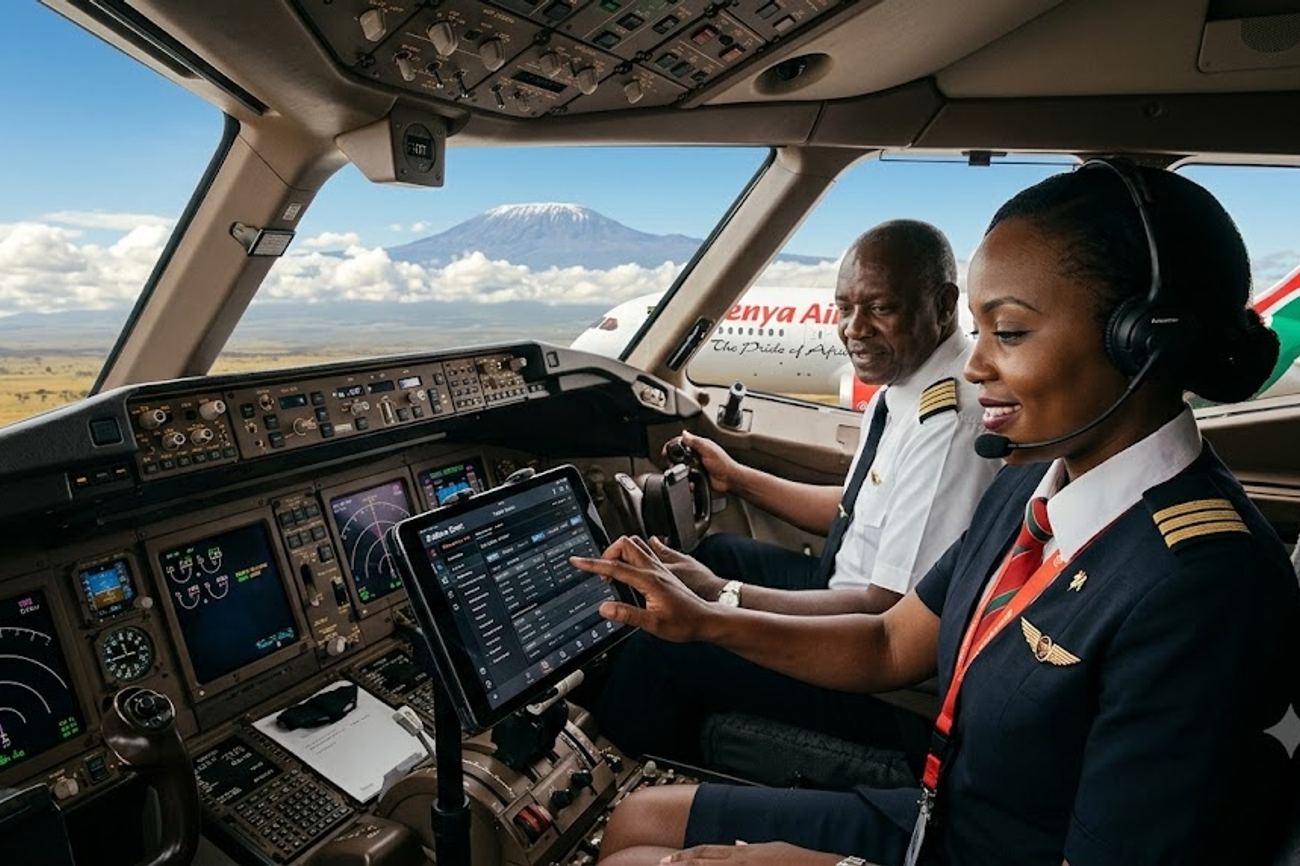
Image generated by AI
[Nairobi, October 2024] — Kenya Airways is replacing its 20-year-old legacy technology infrastructure with a modern airline retailing platform provided by Sabre. The overhaul marks one of the most aggressive digital investments in the carrier's history, aimed at dismantling two decades of outdated operational systems to implement a flexible, customer-centric commercial model.
The transition involves a complete migration of the airline's core functions—including reservations, ticketing, inventory control, and airport check-in—to the Sabre ecosystem. This strategic pivot is designed to align the Nairobi-based carrier with global aviation shifts toward offer-and-order-based retailing, moving away from rigid, traditional booking structures.
The Catalyst for Digital Overhaul
The primary trigger for this transition is the obsolescence of the airline's existing technology stack, which has remained largely unchanged for over 20 years. In an era of rapid digitalization, the legacy system created bottlenecks in how the airline managed passenger services, sales processes, and operational activities.
By partnering with Sabre, Kenya Airways is implementing a modular technology structure. This approach allows the airline to modernize specific business segments incrementally rather than risking a single, massive "big bang" system switch. This modularity ensures that the airline can unlock operational value at each stage of the rollout while maintaining stability across its network.
Central to this upgrade is the integration of Sabre Mosaic® Offer Optimisation. This specific tool utilizes continuous learning and dynamic pricing capabilities, allowing the airline to analyze demand patterns in real-time and adjust travel offers accordingly. This shifts the airline from a static pricing model to a dynamic one that responds to market fluctuations and passenger behavior.
Affected Operations and Markets
The implementation of the Sabre platform will permeate every touchpoint of the Kenya Airways passenger journey. The impact is categorized across three primary operational pillars:
- Commercial and Sales:
- Migration of all reservation and ticketing systems.
- Integration of IATA New Distribution Capability (NDC) standards to provide richer content via third-party travel partners.
- Deployment of dynamic pricing tools to replace traditional fare buckets.
- Airport and Ground Operations:
- Complete replacement of check-in software to accelerate passenger processing.
- Introduction of enhanced disruption management tools for real-time rebooking.
- Updated inventory control systems to manage aircraft capacity more efficiently.
- Customer Loyalty and Engagement:
- Integration of the Asante Rewards loyalty program into the new digital environment.
- Enhanced mobile and digital booking interfaces for direct-to-consumer sales.
Practical Traveler Advisory and Strategic Insights
For the average passenger, this corporate technology shift translates into a fundamental change in how they interact with the airline. The transition from a legacy system to a modern retailing platform removes the "one-size-fits-all" approach to flight booking.
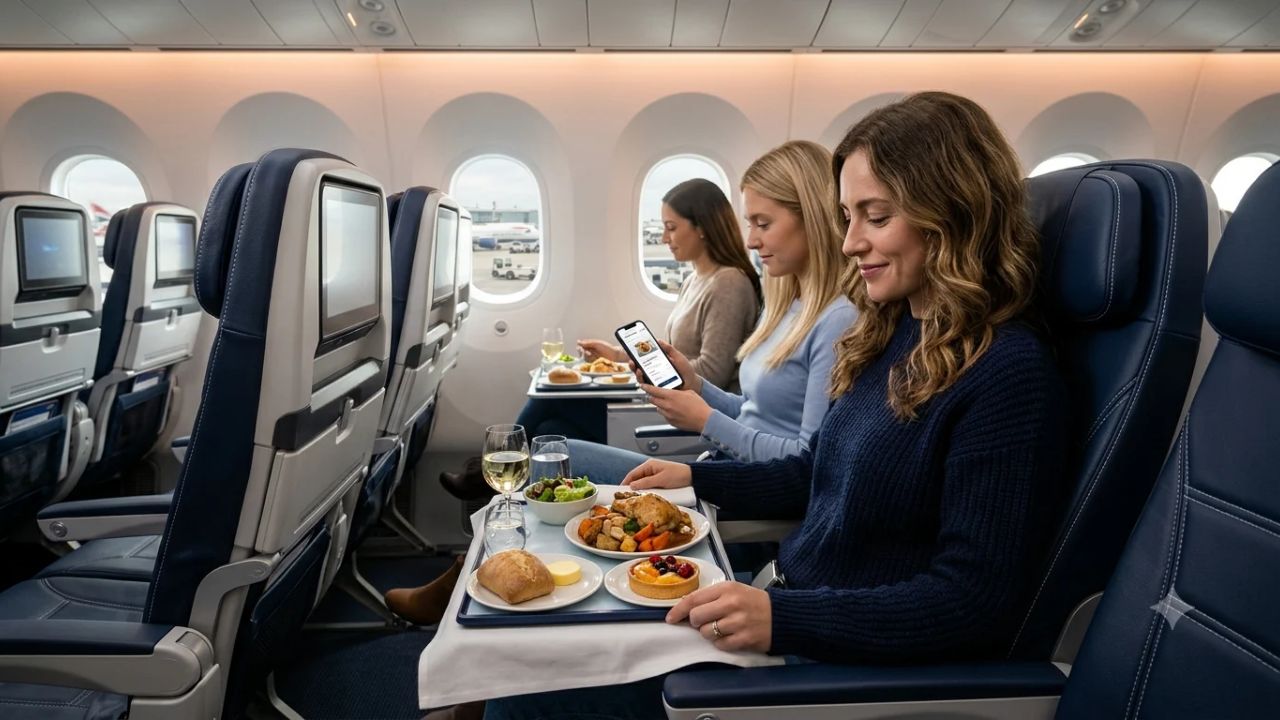
Personalized Booking Experiences Travelers will no longer be limited to rigid fare classes. The new system enables "tailored travel options," meaning the airline can bundle services—such as baggage, seat selection, and lounge access—into customized packages based on the specific needs of the passenger. This moves the booking process closer to an e-commerce experience than a traditional airline reservation.
Digital and Mobile Efficiency The upgrade directly targets the friction found in current mobile booking flows. Passengers can expect a more streamlined interface for searching, selecting, and managing flights. This is particularly relevant for those managing complex itineraries or multi-city journeys.
Airport Friction Reduction The modernization of check-in capabilities is intended to reduce queue times and complexity at the terminal. More importantly, the "disruption management" aspect of the Sabre platform means that when flights are delayed or cancelled, the airline can push real-time rebooking options directly to the passenger via digital channels, reducing the need to wait in long lines at airport service desks.
Loyalty Integration Members of the Asante Rewards program will see a more seamless connection between their loyalty status and the offers they receive. The system will allow the airline to recognize frequent flyers more effectively and provide personalized incentives during the booking process.
The Path to Modern Distribution
Kenya Airways is specifically positioning itself to lead in the African market by adopting the International Air Transport Association (IATA) New Distribution Capability (NDC). Traditionally, airlines have relied on Global Distribution Systems (GDS) that limit the type of content they can show to travel agents.
By adopting NDC-compliant technology through Sabre, Kenya Airways can now bypass these limitations. This allows the carrier to offer "rich content"—such as images of seat types, detailed amenity descriptions, and personalized ancillary offers—directly through the channels where customers shop.
This shift is not merely about software; it is a commercial strategy to regain control over the distribution chain. By owning the "offer" and the "order," Kenya Airways can respond faster to competitor pricing and changing traveler preferences without waiting for third-party systems to update.
The rollout will continue in phases, with the airline utilizing Sabre's modular architecture to ensure that each part of the business—from the back-end inventory to the front-end mobile app—is optimized before moving to the next phase. This reduces the risk of the systemic outages often associated with major airline IT migrations.
FAQ: Kenya Airways Technology Upgrade 2024
Will my existing flight bookings be affected by this system change? Existing bookings are typically migrated to the new system during the transition. Passengers should monitor their email for any notification regarding re-validation of tickets, though the airline aims for a seamless backend transition.
How does this change the way I buy tickets? You will see more personalized options and bundles. Instead of just choosing "Economy" or "Business," you may be offered customized packages that combine fares with specific services tailored to your travel history.
Will this make airport check-in faster? Yes. The upgrade replaces 20-year-old check-in software with modern systems designed to reduce processing time and improve the efficiency of digital and kiosk check-ins.
What happens if my flight is cancelled under the new system? The new platform improves disruption management. You are more likely to receive automated, real-time rebooking options via your mobile device, reducing the need to visit a physical ticket counter.
Kenya Airways is betting that a complete digital rebirth is the only way to remain competitive in a rapidly evolving global sky.
Related Travel Guides
- Star Alliance Paris CDG Lounge Claims Third Consecutive World's Best Alliance Lounge Title at 2026 Skytrax Awards
- Japan Airlines Signs 10-Year HAECO Maintenance Contract Extension for 180+ Aircraft Visits
- Gulf Aviation Capacity Rebounds Beyond Pre-Disruption Levels as UN Tourism Tracks Carrier Recovery Across Bahrain, Qatar, UAE, and Kuwait
This article is for informational purposes. Flight routes, passenger regulations, visa rules, and transit advisories are subject to change by airlines and aviation authorities. Readers are advised to verify schedules and travel documentation with relevant carriers and border agencies before departure.
Related Stories

Jet Airways vs. Boeing NCLAT Battle: Why Manufacturer Litigation Offers No Quick Ticket Refunds for Indian Travel Agents

easyJet Launches Direct Liverpool to Reykjavik Flights: Inside the North West's New Winter Gateway to Iceland