
Kazakhstan Tourism Set For Digital Transformation Through BRICS AI Partnership And Global Connectivity Push
Kazakhstan Tourism Set For Digital Transformation Through BRICS AI Partnership And Global Connectivity Push

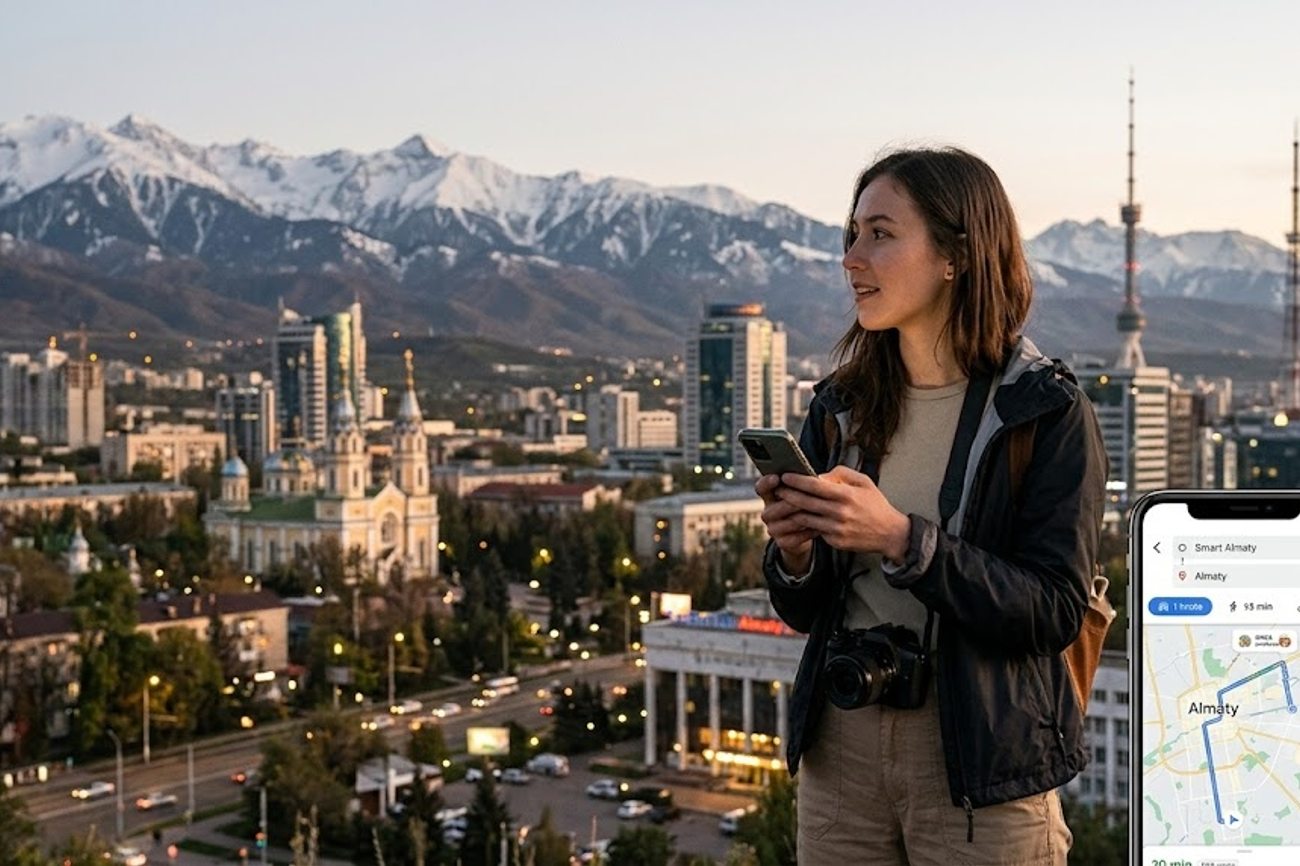
Image generated by AI
Imagine a traveler landing in Almaty in 2027, where their entire itinerary—from the heights of the Trans-Ili Alatau mountains to the depths of Charyn Canyon—is dynamically managed by a BRICS-integrated AI concierge that handles multilingual navigation and real-time logistics. This is the vision currently being engineered as Kazakhstan pivots toward a high-tech, data-driven tourism model.
The Digital Pivot: Kazakhstan’s BRICS AI Integration
Kazakhstan is initiating a comprehensive overhaul of its tourism sector, leveraging strategic partnerships within the BRICS framework to transition from traditional promotion to a "smart destination" ecosystem. The catalyst for this shift is a series of proposals by President Kassym-Jomart Tokayev, specifically the BRICS Plus Partnership for Artificial Intelligence. This initiative is designed to link national AI research laboratories and centers across member states, creating a shared technological backbone that Kazakhstan intends to apply directly to its travel infrastructure.
The objective is to eliminate the friction typically associated with visiting Central Asia. By integrating AI into destination management, the state aims to provide hyper-personalized travel journeys. For the international visitor, this means AI-powered platforms that do not merely list sites but recommend specific experiences based on individual behavioral data and preferences. These systems are intended to provide seamless multilingual assistance, bridging the linguistic gap for tourists exploring remote regions.
The digital transformation targets several key geographic pillars:
- The architectural landmarks of Astana.
- The cultural heritage sites located in Turkistan.
- The mountainous terrain surrounding Almaty.
- The geological formations of Charyn Canyon.
- The serene environments of Kolsai Lakes.
- The distinct, otherworldly landscapes of Mangystau.
Beyond the visitor experience, the government is implementing AI to analyze global visitor trends. This allows tourism authorities to identify emerging markets in real-time and adjust marketing campaigns to attract "high-value travelers"—those who spend more per capita and seek specialized, tech-enabled luxury or adventure experiences.
Integration of Sustainability and Global Water Governance
Parallel to the digital push, Kazakhstan is linking its tourism growth to environmental stability through a proposal for an International Water Organization. President Tokayev has advocated for this as a specialized United Nations agency to oversee global water governance. For a country whose tourism appeal is heavily tied to its natural water bodies, this is a strategic move to ensure long-term viability.
The focus is on protecting and leveraging critical water-based destinations, including:
- The expansive Lake Balkhash.
- The coastal zones of the Caspian Sea.
- The alpine lakes situated near Almaty.
- Various protected river systems and natural landscapes.
By establishing a rigorous international framework for water management, Kazakhstan aims to capitalize on the surge in eco-tourism. The strategy involves developing sustainable nature resorts and conservation-focused travel programs that appeal to environmentally conscious travelers. This approach transforms environmental protection from a regulatory burden into a competitive advantage, positioning the country as a leader in responsible nature-based travel.
The Logistics Framework and Connectivity Push
The final piece of the transformation is the BRICS Logistics Supply Chain Cooperation Framework. Kazakhstan’s geographic position as a bridge between Europe and Asia makes it a natural hub, but historical bottlenecks in transport have limited visitor numbers. The new framework focuses on enhancing supply-chain resilience and international transport corridors to facilitate smoother traveler movement.
The connectivity push targets four primary areas:
- Air Connectivity: Expanding flight paths and frequencies between Kazakhstan and BRICS nations, specifically targeting markets in India, China, Russia, and the Gulf states.
- Railway Networks: Improving the efficiency of rail travel to encourage multi-country itineraries.
- International Transport Corridors: Streamlining the movement of people across borders to revitalize the "Silk Road" experience.
- Digital Travel Systems: Implementing integrated e-visa and digital transit systems to reduce border friction.
By improving these logistics, Kazakhstan aims to evolve from a standalone destination into a Central Asian travel hub. The goal is to encourage travelers to integrate Kazakhstan into broader regional journeys that connect the Far East with Western Europe, utilizing the country's historical Silk Road heritage as a cultural draw.
Your Rights as a Passenger in the BRICS Corridor
As Kazakhstan expands its air and rail connectivity through the BRICS framework, passengers traveling into and out of the region must be aware of the varying legal protections available. Unlike the European Union, Central Asia does not have a single, overarching passenger rights regulation equivalent to EU261/2004. However, protections vary based on the airline's origin and the route.
For Flights Departing from the EU/UK to Kazakhstan: If you are flying from an EU or UK airport to Almaty or Astana, you are fully protected under EU261/2004 or the UK CAA guidelines. If your flight is cancelled or delayed by more than three hours due to reasons within the airline's control (e.g., technical faults, staffing), you may be entitled to:
- Financial Compensation: Up to €600 (or £520) for flights exceeding 3,500 km.
- Duty of Care: Provision of meals, refreshments, and hotel accommodation if an overnight stay is required.
- Re-routing or Refund: A choice between a full refund or the earliest available alternative flight to your destination.
For Flights Departing from Kazakhstan: When departing from Kazakhstan on a non-EU/UK carrier, your rights are primarily governed by the Montreal Convention and the local regulations of the Civil Aviation Committee of Kazakhstan. The Montreal Convention provides limited compensation for damages resulting from delays, but it does not offer the fixed-sum "inconvenience" payments found in EU law.
To monitor your flight status in real-time during this period of infrastructure expansion, use tools like FlightRadar24 or FlightAware. For those seeking to claim compensation for disruptions on EU-originating legs of their journey, platforms like AirHelp can assist in navigating the legal requirements.
Rebooking Strategy and Alternatives
With Kazakhstan positioning itself as a hub, travelers may encounter disruptions as new routes and digital systems are integrated. If your flight to Almaty (ALA) or Astana (NQZ) is cancelled, consider these strategic alternatives:
1. The Hub-and-Spoke Pivot: If a direct flight is cancelled, look for connections through major BRICS or regional hubs. Istanbul (IST) via Turkish Airlines or Dubai (DXB) via Emirates often provide the most frequent alternatives into Kazakhstan.
2. The Rail Alternative: For those traveling from China or Russia, the improved BRICS logistics framework makes rail a viable backup. While slower, the rail corridors are often more resilient during peak travel seasons or air traffic disruptions.
3. Refund vs. Rebooking: Under US DOT rules (for flights involving US carriers), you are entitled to a prompt refund if your flight is cancelled and you choose not to travel. However, if the airline offers a rebooking on a competitor, this is often faster than waiting for a refund and re-purchasing a ticket at current market rates.
4. Digital Documentation: As Kazakhstan moves toward "Smart Tourism," ensure all your travel documents are digitized. Keep copies of your passport and visas on a secure cloud drive to facilitate faster processing through the new digital travel systems being implemented at border crossings.
FAQ: Kazakhstan Tourism Digital Shift 2026
Will the new AI systems replace human travel agents in Kazakhstan? No. The AI partnership aims to enhance destination management and provide personalized recommendations and multilingual support, acting as a supplement to human hospitality and professional guides rather than a replacement.
How does the International Water Organization affect my visit? It ensures that the natural lakes and rivers—key tourist draws—are managed sustainably. This means better-preserved landscapes and the development of high-quality, eco-friendly resorts that protect the environment.
Am I entitled to compensation for a cancelled flight within Kazakhstan? Compensation depends on the airline's nationality and the specific terms of carriage. While the Montreal Convention applies to international legs, domestic disruptions are governed by Kazakh law, which generally focuses on re-routing rather than cash payouts.
Which cities are the primary targets for the "Smart Tourism" rollout? The primary focus is on Almaty, Astana, and Turkistan, though the digital infrastructure is designed to eventually extend to remote areas like Mangystau and the Charyn Canyon.
The transition to a data-driven tourism model marks Kazakhstan's bid to move from a hidden gem to a global powerhouse.
#KazakhstanTourism #BRICS_AI #Almaty_ALA #Astana_NQZ #EU261 #SmartTourism2026
Related Travel Guides
Disclaimer
This article is for informational and educational purposes only. It does not constitute legal, financial, or professional advice. While we strive to provide accurate and up-to-date information, travel policies, regulations, and conditions change rapidly. Always verify information with official sources before making travel decisions. Nomad Lawyer makes no representations about the accuracy, reliability, completeness, or suitability of the information provided. Readers should consult qualified professionals for advice specific to their circumstances. The views expressed in this article are those of the author and do not necessarily reflect the views of Nomad Lawyer.
Naina Thakur
Contributor & Travel Specialist
Travel enthusiast and legal writer covering visa regulations, responsible tourism, and cultural journeys across global destinations.
Learn more about our team →