
JR East Suspends Yokosuka Line Between Tokyo and Shinagawa for Maintenance on September 5 2026
JR East will suspend Yokosuka Line services between Tokyo and Shinagawa stations on September 5, 2026, for critical tunnel maintenance, impacting commuters and Narita Express airport transfers.

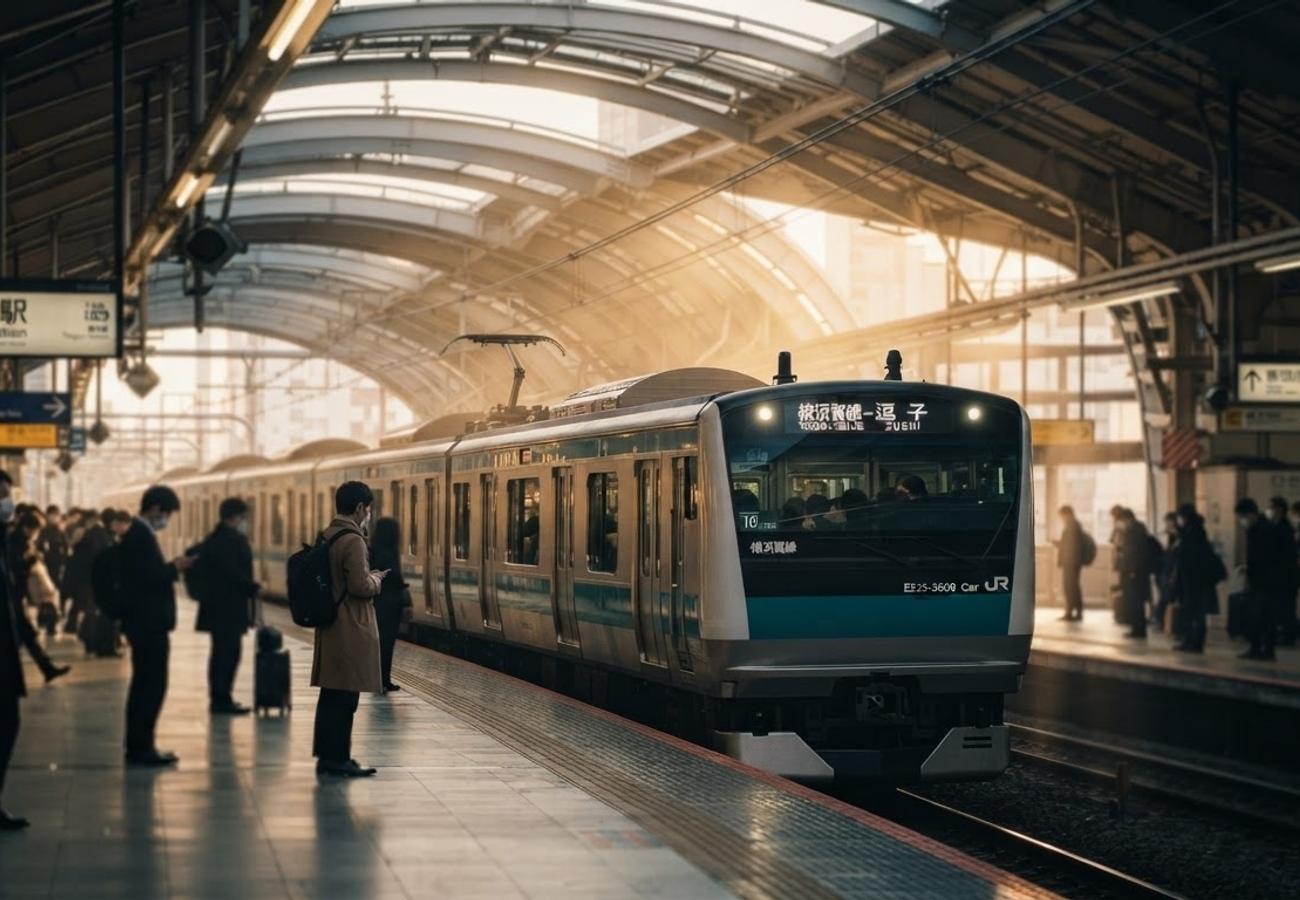
Image generated by AI
JR East has announced a full-day suspension of the Yokosuka Line between Tokyo Station and Shinagawa Station on September 5, 2026. This closure will impact thousands of daily commuters and international visitors relying on these primary transport hubs.
The suspension is required to facilitate intensive day-and-night construction and tunnel maintenance. Unlike standard overnight windows, this extended operational period allows JR East to execute larger-scale safety upgrades and stability works within a compressed timeframe.
Service Disruption Details
The closure is localized to the segment between Tokyo and Shinagawa. The remainder of the Yokosuka Line will remain operational, though routing will change for trains entering the affected zone.
- Chiba-bound trains: Services traveling from Chiba will terminate at Tokyo Station.
- Kurihama-bound trains: Services arriving from Kurihama will terminate at Shinagawa Station.
- Direct Connectivity: No direct Yokosuka Line services will operate between Tokyo and Shinagawa on September 5.
- Replacement Transport: JR East will not provide alternative transportation via other railway operators.
Alternative Routing for Passengers
Passengers needing to travel between Tokyo and Shinagawa stations are directed to use existing JR East lines. Our analysis of the network suggests these routes will experience higher-than-normal congestion, particularly during peak hours.
- Tokaido Line: The most direct alternative for transit between the two hubs.
- Yamanote Line: The circular service providing frequent connections.
- Keihin-Tohoku Line: A reliable secondary option for this specific segment.
Narita Express (N'EX) Schedule Changes
The maintenance window significantly impacts the Narita Express, the primary rail link for international arrivals. Travelers should note that disruptions extend beyond the primary September 5 date.
| Date | Affected Service | Status |
|---|---|---|
| September 4, 2026 | Selected N'EX Trains | Cancelled |
| September 5, 2026 | Tokyo $\leftrightarrow$ Shinjuku | Suspended |
| September 5, 2026 | Tokyo $\leftrightarrow$ Ofuna | Suspended |
| September 6, 2026 | Selected N'EX Trains | Cancelled |
Why This Matters: Logistics and Impact
For travelers on this route, the real impact is the loss of seamless connectivity between the airport, central business districts, and southern Kanagawa Prefecture. Tokyo Station and Shinagawa Station serve as the primary gateways for long-distance Shinkansen services and airport lines; any friction here ripples across the entire itinerary.
From a logistical perspective, this means:
- Increased Transfer Friction: Tourists unfamiliar with the Yamanote or Tokaido platforms may face confusion, leading to missed connections.
- Luggage Bottlenecks: Shifting thousands of Yokosuka Line passengers to the Yamanote Line—already one of the world's busiest routes—will create significant crowding for those with large suitcases.
- Tight Schedules: Business travelers and those with timed airport departures must build in an additional 30-60 minute buffer to account for transfer delays and platform congestion.
Industry Outlook
This concentrated maintenance strategy reflects a broader trend in Japanese infrastructure management: prioritizing "block" closures to minimize the frequency of smaller, recurring disruptions. By utilizing mechanized maintenance and continuous 24-hour work cycles, JR East reduces long-term operational risk.
As Japan continues to see a surge in international tourism, the reliability of the rail network remains its most critical asset. These aggressive maintenance windows are necessary to prevent systemic failures that would cause far more widespread chaos than a planned one-day suspension.
Planned infrastructure stability is the invisible engine of Japan's tourism growth.
Related Travel Guides
Disclaimer
This article is for informational and educational purposes only. It does not constitute legal, financial, or professional advice. While we strive to provide accurate and up-to-date information, travel policies, regulations, and conditions change rapidly. Always verify information with official sources before making travel decisions. Nomad Lawyer makes no representations about the accuracy, reliability, completeness, or suitability of the information provided. Readers should consult qualified professionals for advice specific to their circumstances. The views expressed in this article are those of the author and do not necessarily reflect the views of Nomad Lawyer.
Raushan Kumar
Founder & Lead Developer
Full-stack developer with 11+ years of experience and a passionate traveller. Raushan built Nomad Lawyer from the ground up with a vision to create the best travel and law experience on the web.
Learn more about our team →