Jordan Reconnects with Europe as Wizz Air and Ryanair Restore Direct Flights to Amman

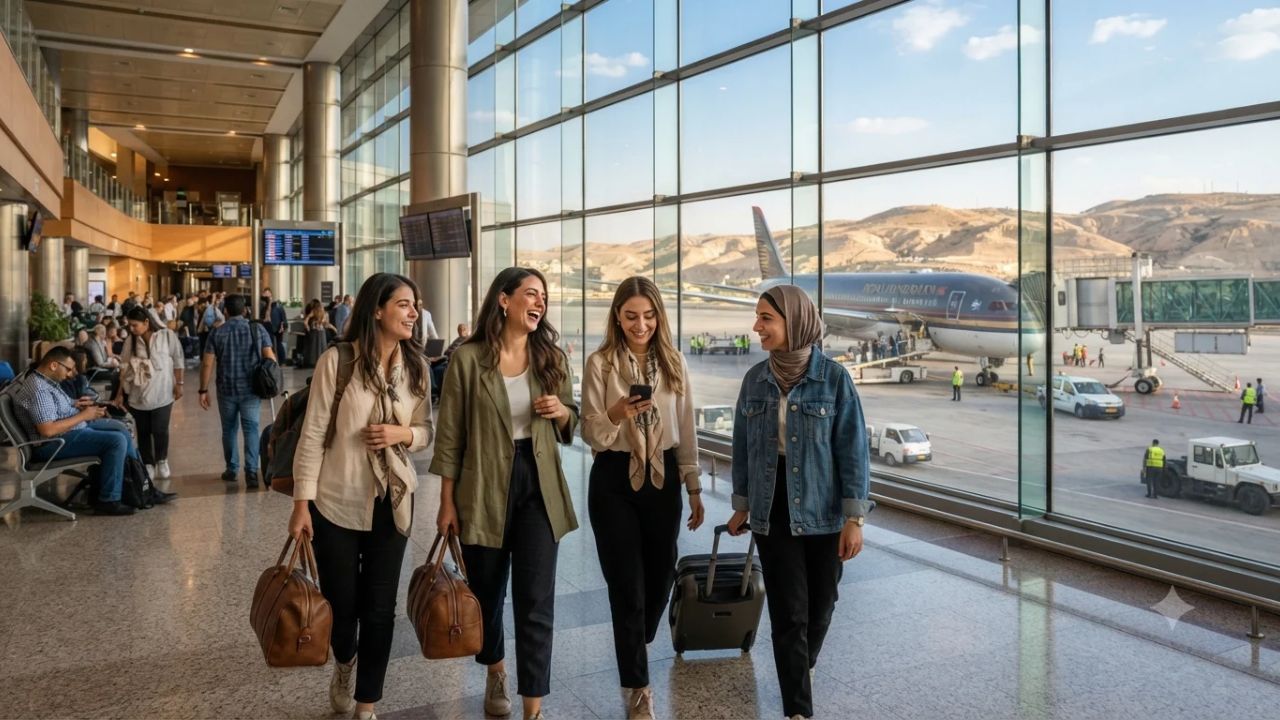
Following months of cautionary flight suspensions that left the rose-red sandstone facades of Petra and the sweeping sands of Wadi Rum uncharacteristically quiet, European aviation authorities have officially cleared the path for direct air routes back into the Hashemite Kingdom. The European Union Aviation Safety Agency (EASA) has formally removed Jordan from its Conflict Zone Information Bulletin, replacing blanket airspace warnings with airline-led operational risk evaluations. In immediate response, low-cost pioneer Wizz Air is restarting twice-weekly services to Queen Alia International Airport (AMM), while Ryanair prepares an October return linking Amman with four major European cities.
The regulatory shift marks an essential turning point for independent travelers, archaeology enthusiasts, and desert hikers across Europe. For over a year, travelers heading to Jordan faced circuitous routings through Gulf hubs, expensive multi-stop itineraries, or inflated airfares. The restoration of budget point-to-point connections directly into Amman lowers financial barriers, re-establishing Jordan as one of the most accessible and culturally rich destinations in the eastern Mediterranean.
The EASA Reclassification: Reopening the Skies Over Amman
The decision by EASA follows comprehensive security assessments conducted in partnership with Jordan's Civil Aviation Regulatory Commission (CARC). By recognizing that Jordanian national airspace and civil aviation hubs maintain strict international safety standards, regulators have empowered European airlines to conduct individual risk management and resume scheduled passenger services.
Wizz Air's rapid reinstatement of twice-weekly frequencies to Queen Alia International Airport provides immediate low-cost capacity for autumn holidaymakers. Furthermore, Ryanair’s late-October restart across four direct European gateways introduces high-volume connectivity right at the start of Jordan’s optimal winter trekking season.
According to updates from the Jordan Tourism Board, direct flight restoration is anticipated to revive international visitor numbers across southern heritage circuits. Hotel operators in Petra, bedouin camp managers in Wadi Rum, and dive centers in Aqaba report an immediate rebound in forward bookings as direct flight seats appear on European booking engines.
What Makes Jordan Different: Ancient Civilizations and Bedouin Hospitality
Jordan offers an encounter with antiquity unlike anywhere else in the Middle East. At the UNESCO World Heritage site of Petra, the ancient Nabataean capital carved directly into towering rose-colored sandstone cliffs, visitors walk through the winding Siq gorge to emerge before the towering Treasury (Al-Khazneh). Beyond the iconic monuments, over eight hundred registered tombs, sacrificial high places, and Byzantine monasteries spread across sixty square kilometers of rugged canyons.
Further south, the protected desert wilderness of Wadi Rum unfolds in dramatic sandstone massifs, natural rock arches, and red sand dunes that have sheltered nomadic Bedouin clans for millennia. Spending a night under the clear desert canopy in a traditional goat-hair tent reveals the enduring Bedouin philosophy of karam—an ancient code of hospitality where strangers are welcomed with sweet cardamom-infused sage tea and slow-cooked zarb roasted in underground sand ovens.
To the west, the Jordan Rift Valley plunges to 430 meters below sea level at the Dead Sea, where mineral-rich hypersaline waters allow effortless floating against a backdrop of sun-bleached salt formations. North of Amman, the Greco-Roman ruins of Jerash showcase colonnaded avenues, monumental arches, and intact amphitheaters that rival the ancient forums of Rome.
Visitor Insider Tips: Timing, Logistics, and Cultural Etiquette
Planning an independent journey through the Hashemite Kingdom requires strategic timing and practical knowledge of local transport networks.
- Purchase the Jordan Pass in Advance: Buy the official Jordan Pass online before arrival. It waives the standard forty-dinar tourist visa fee for stays of three nights or more and includes prepaid entry to over forty historic attractions, including multi-day access to Petra and Jerash.
- Beat the Midday Crowds at Petra: Enter the archaeological park at 06:00 when the gates open. You will experience the Siq and Treasury in peaceful morning light with few tourists, and reach the high trail to the Monastery (Ad-Deir) before the midday heat sets in.
- Rent a Car for Desert Highway and Kings Highway: Driving in Jordan is safe, straightforward, and well-signposted in English. Rent a vehicle at Queen Alia Airport to traverse the scenic Kings Highway, passing Crusader castles at Kerak and Shobak, and the dramatic gorge of Wadi Mujib.
- Respect Local Dining and Dress Customs: Dress modestly when exploring Amman old town (Downtown/Al-Balad) and rural villages by covering shoulders and knees. When offered traditional Arabic coffee (gahwa), accept the cup with your right hand; tilt the cup side-to-side when returning it to signal you have had enough.
Cultural and Environmental Context: Sustainable Community Tourism
The return of European flight routes brings essential economic oxygen to local communities whose livelihoods rely on sustainable tourism. In southern Jordan, hundreds of Bedouin families in the village of Umm Sayhoun and the Wadi Rum Protected Area depend on guiding treks, camel caravans, and guesthouse hospitality.
Environmental stewardship remains central to preserving Jordan’s fragile desert ecosystems. Organizations like the Royal Society for the Conservation of Nature (RSCN) manage protected reserves such as Dana Biosphere Reserve and Ajloun Forest, promoting eco-lodges that channel visitor fees directly into wildlife conservation and community employment.
Trail initiatives like the 650-kilometer Jordan Trail encourage hikers to walk village-to-village from Um Qais in the north to the Red Sea in the south. By spending nights in family-run homestays and employing local route leaders, travelers provide distributed economic benefits far beyond traditional tour-bus corridors, helping safeguard Jordan's cultural heritage and fragile desert ecologies for future generations.
FAQ: Visiting Jordan 2026
What is the best time of year to visit Jordan? Spring (March to May) and autumn (September to November) provide ideal daytime temperatures around 20°C to 26°C, perfect for hiking in Petra, desert camping in Wadi Rum, and sightseeing in Amman.
Do I need a tourist visa to enter Jordan? Most international travelers can obtain a visa on arrival at Queen Alia Airport, but purchasing the digital Jordan Pass in advance waives the visa fee if staying at least three nights.
How do I get from Queen Alia Airport to downtown Amman? The Sariyah Airport Express bus departs every thirty minutes for the city center, while official airport taxis operate on fixed government-regulated zone fares displayed at the terminal exit.
Is Jordan safe for independent and solo travelers? Jordan maintains high domestic stability, excellent security infrastructure, and a welcoming culture of hospitality, making it one of the safest destinations in the region for independent and solo travelers.
[From the quiet heights of ancient cliffside monasteries to starlit desert valleys, Jordan welcomes the world back with timeless grace and open arms.]
Related Travel Guides
The Complete Guide to Hiking the Jordan Trail: Dana to Petra Section Guide
Beyond the Treasury: Hidden Trails, Monasteries, and Viewpoints Across Petra
Wadi Rum Desert Camping Guide: Bedouin Traditions, Stargazing, and 4x4 Routes
This article is for informational purposes. Flight routes, passenger regulations, visa rules, and transit advisories are subject to change by airlines and aviation authorities. Readers are advised to verify schedules and travel documentation with relevant carriers and border agencies before departure.
Related Stories
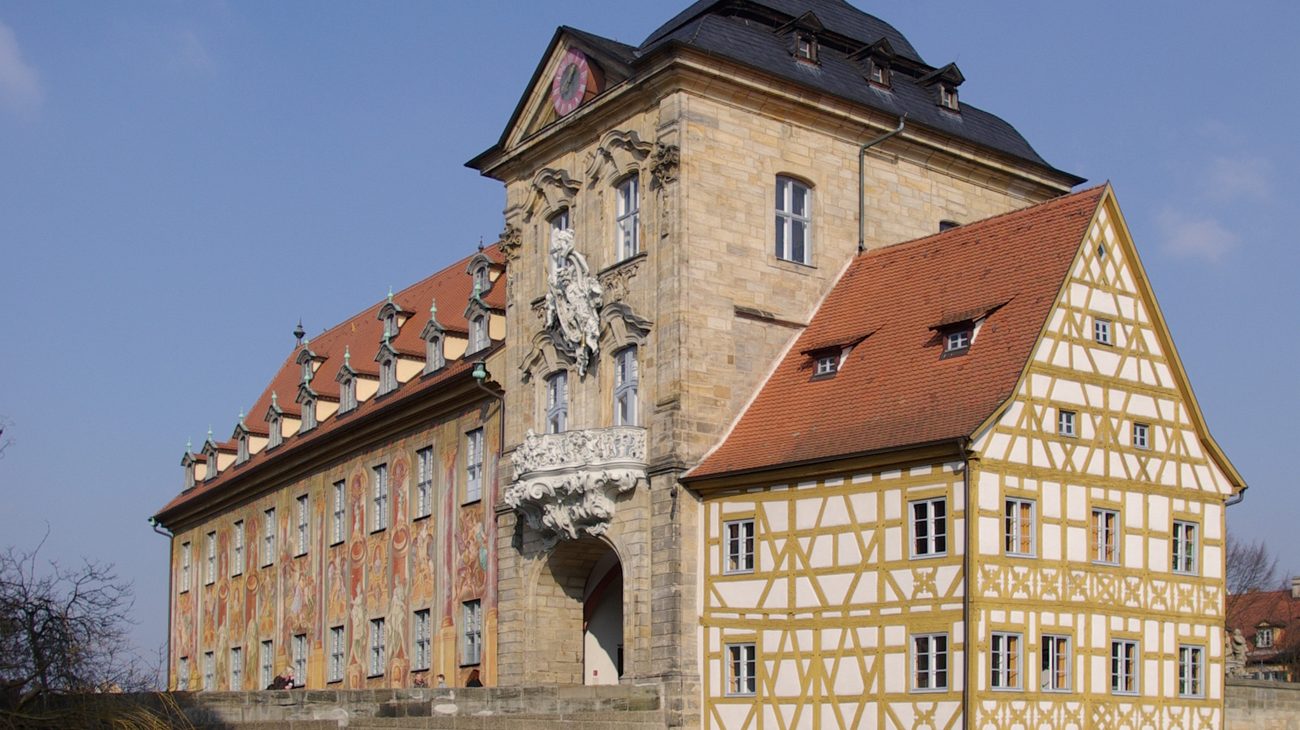
12 Beautiful Cities in Germany That Reddit Travelers Prefer Over the Most Famous Tourist Stops
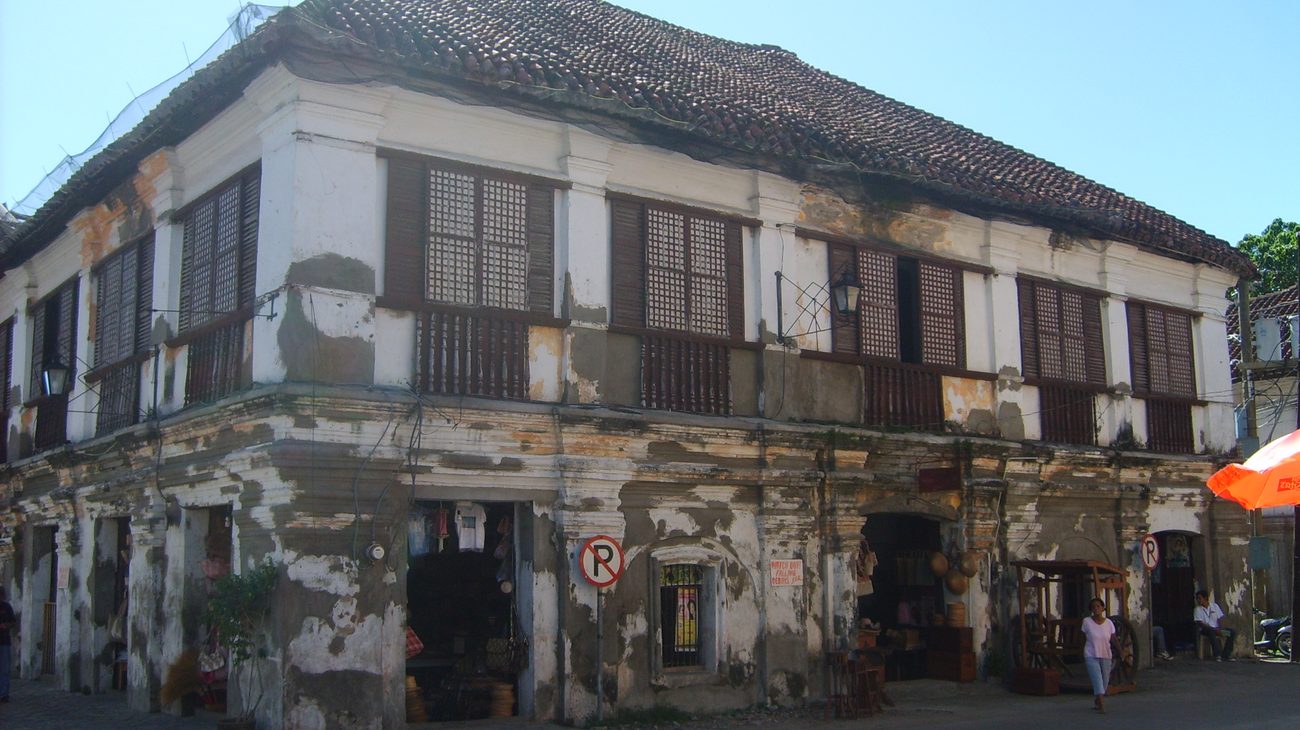
10 Underrated Cities in the Philippines That Deserve International Recognition