
Jordan Opens New Desert Tourism Corridors to Diversify Heritage Travel
Jordan is launching strategic tourism corridors in its eastern desert to link Umayyad castles and nature reserves, boosting rural economies and sustainable trav

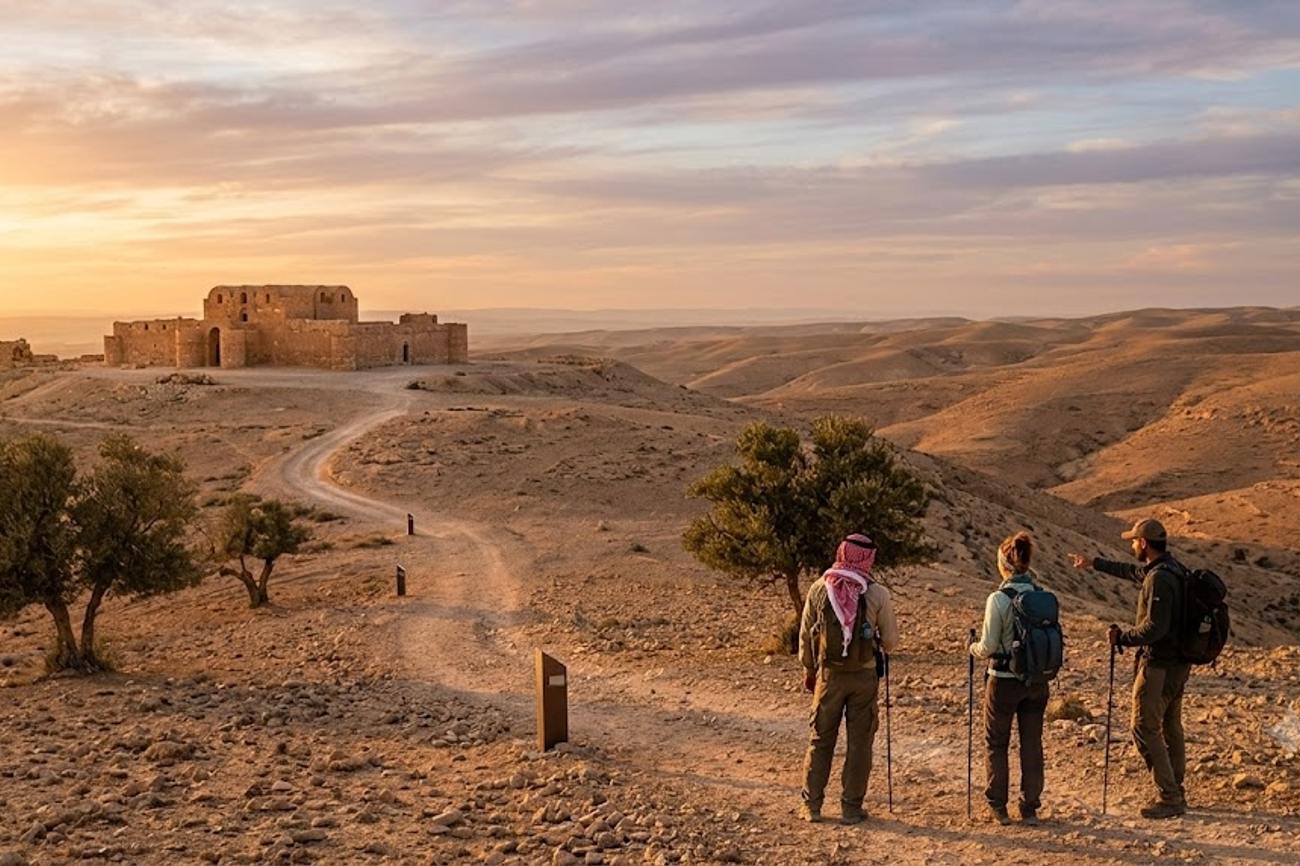
Image generated by AI
Expanding Beyond Petra and Wadi Rum
For decades, international travel to Jordan has centered on the "golden triangle" of Petra, Wadi Rum, and Jerash. However, a strategic shift is now redirecting focus toward the eastern expanses, where Byzantine-era ruins and vast desert landscapes have remained largely overlooked.
The Jordanian government is implementing a master plan to link these isolated sites through organized tourist routes. This initiative transforms the east into a dedicated tourism and development zone designed to stimulate rural economies and introduce modern, sustainable travel models to the region.
This framework addresses long-standing logistical barriers—such as unpaved roads and a lack of standardized amenities—to open the region for ecotourism and community-led hospitality.
Strategic Integration of Heritage and Ecology
The core of the development plan is the creation of engineered corridors that connect disparate historical and natural assets into a unified network. This prevents the "haphazard" vehicular tracking that previously threatened delicate desert crusts.
By directing visitor flow through designated routes, the government aims to protect sensitive ecosystems while ensuring economic benefits reach rural settlements. The infrastructure upgrades include:
- Digital Mapping: Integration of modern navigation for remote sites.
- Interpretive Signage: Enhanced educational tools for cultural heritage.
- Sustainable Transport: New options to reduce the carbon footprint of desert exploration.
Primary Attractions of the Eastern Zone
The eastern region offers a distinct architectural and biological profile compared to the west. Key highlights include:
- Umayyad Desert Castles: Architectural landmarks including Qasr Amra, Qasr al-Kharanah, and Qasr Azraq.
- The Azraq Wetland Reserve: A critical Ramsar convention site essential for migratory birds.
- Ancient Outposts: Roman military installations and prehistoric flint mines.
- Shaumari Wildlife Reserve: A protected area integrated into the new conservation guardrails.
Economic Impact and Rural Development
The shift toward decentralized tourism is designed to curb rural-to-urban migration by creating year-round employment for youth and women in the Zarqa and Mafraq governorates.
By diversifying the tourism portfolio to include bird watching, desert trekking, and historical research, Jordan is moving away from mass-market tourism. Data from the Ministry of Tourism and Antiquities indicates that these regional development zones are expected to increase the average visitor's length-of-stay by 1.5 days, directly raising per capita local expenditure.
To ensure sustainability, the government has launched training programs in:
- Eco-guide certification.
- Hospitality management.
- Small-business administration for local artisans.
Visitor Planning Guide
| Category | Details |
|---|---|
| Optimal Visit Windows | Spring (March to May) and Autumn (September to November) |
| Key Governorates | Zarqa and Mafraq |
| Primary Site Types | Umayyad Palaces, Ramsar Wetlands, Roman Outposts |
| Projected Stay Increase | +1.5 Days |
| Top Nature Site | Azraq Wetland Reserve |
Key Takeaways
- Diversification: Jordan is reducing reliance on western landmarks by developing the eastern desert.
- Conservation: New structured corridors protect desert ecosystems from unregulated vehicle traffic.
- Economic Growth: The initiative focuses on community ownership and job creation in the Zarqa and Mafraq regions.
- Visitor Value: The integration of nature reserves and ruins is expected to lengthen tourist stays and increase local spending.
FAQ
When is the best time to visit eastern Jordan? The ideal times are spring (March to May) and autumn (September to November) for moderate temperatures and seasonal flora.
What are the most significant historical sites in the east? The Umayyad-era desert castles—specifically Qasr Amra, Qasr al-Kharanah, and Qasr Azraq—are the primary architectural draws.
How does this plan help the local population? It creates sustainable jobs in hospitality and guiding, specifically targeting rural populations to prevent migration to cities.
Related Travel Guides
Disclaimer
This article is for informational and educational purposes only. It does not constitute legal, financial, or professional advice. While we strive to provide accurate and up-to-date information, travel policies, regulations, and conditions change rapidly. Always verify information with official sources before making travel decisions. Nomad Lawyer makes no representations about the accuracy, reliability, completeness, or suitability of the information provided. Readers should consult qualified professionals for advice specific to their circumstances. The views expressed in this article are those of the author and do not necessarily reflect the views of Nomad Lawyer.
Preeti Gunjan
Contributor & Community Manager
A passionate traveller and community builder. Preeti helps grow the Nomad Lawyer community, fostering engagement and bringing the reader experience to life.
Learn more about our team →