
US Travelers Dominate Dubrovnik Nautical Tourism as 2026 Arrivals Dip
US travelers emerge as the top source for Dubrovnik nautical tourism in 2026, despite a 3% dip in August arrivals and a 7% drop in overnight stays.

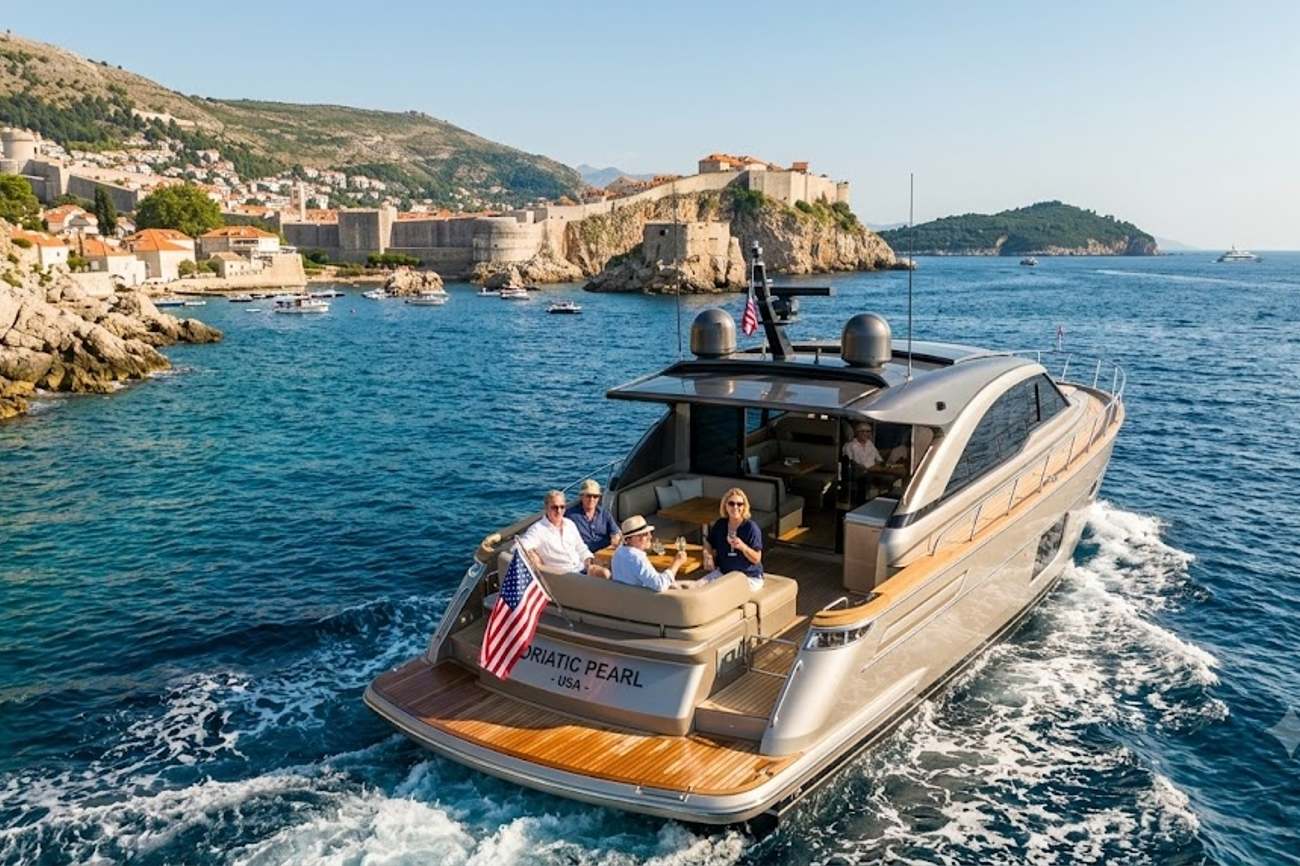
Image generated by AI
Dubrovnik
[Dubrovnik, September 7, 2026] — A shift in global travel patterns has placed the United States at the forefront of Dubrovnik’s maritime tourism sector, surpassing traditional European strongholds. While the city continues to be a premier destination for yachting and sailing, recent data indicates a slight contraction in visitor volume and duration of stay during the 2026 season.
The maritime sector remains a cornerstone of the Croatian coast's economy, attracting a diverse array of luxury yacht owners and charter enthusiasts. However, the most recent figures suggest a period of market adjustment as the destination navigates changing international travel behaviors.
August 2026 Nautical Tourism Performance
Data released by the Dubrovnik Tourist Board reveals that 9,883 nautical tourists arrived in the region during August 2026. When compared to the same period in 2025, this represents a 3% year-on-year decrease, with the current figures reaching an index of 97%.
The decline in visitor volume was mirrored by a more pronounced drop in the duration of stays. Nautical visitors accounted for 62,070 overnight stays throughout August 2026. This reflects a 7% decline compared to August 2025, resulting in an index of 93. The discrepancy between arrival numbers and overnight stays suggests that while the destination remains attractive, visitors are opting for shorter itineraries during the height of the summer season.
US Market Outpaces UK and Domestic Croatian Visitors
Despite the overall seasonal softening, the United States has emerged as the leading source market for nautical arrivals in August 2026. American travelers have shown a strong preference for Dubrovnik’s coastline and the surrounding Adriatic islands, signaling a growing appetite for premium, long-haul maritime experiences.
The United Kingdom followed in second place, while domestic tourists from Croatia ranked third. This hierarchy underscores a pivot toward non-European markets for high-value nautical tourism.
Beyond the top three, the visitor base remains geographically diverse. Significant contributions were recorded from several other international markets, including:
- Australia
- France
- Italy
- Spain
- Germany
- Poland
- Canada
The presence of long-distance travelers from North America and Australia highlights Dubrovnik's global reputation as a luxury hub. Industry observers suggest that the city's combination of historical architecture, protected waters, and sophisticated sailing infrastructure continues to attract a high-spending global demographic.
Cumulative Growth Trends from January to August 2026
While the August figures showed a moderate dip, the broader performance for the first eight months of the year confirms the sector's resilience. From January 1 to August 31, 2026, Dubrovnik recorded a total of 32,810 nautical tourist arrivals.
During this same period, the region saw 213,834 overnight stays. Both the arrival and overnight stay metrics reached an index of 96 compared to the 2025 data, representing a total year-on-year decline of approximately 4%.
The data for the first eight months of the year reinforces the trend of US dominance. American visitors remained the primary source of nautical tourism, followed by the United Kingdom, Australia, and Croatia. Other contributing markets during this period included France, Germany, Poland, Canada, Spain, and Austria.
| Metric (Jan 1 - Aug 31, 2026) | Total Figure | Index vs 2025 | Year-on-Year Change |
|---|---|---|---|
| Nautical Tourist Arrivals | 32,810 | 96 | -4% |
| Nautical Overnight Stays | 213,834 | 96 | -4% |
| August 2026 Arrivals | 9,883 | 97 | -3% |
| August 2026 Overnight Stays | 62,070 | 93 | -7% |
Strategic Importance of International Sailing
Dubrovnik’s strategic position on the Adriatic Sea allows it to serve as a gateway to a vast network of hidden coves and island routes. This geographic advantage is essential for maintaining its image as a premium coastal destination for yacht owners and charter guests.
The moderate reduction in 2026 figures is viewed by industry analysts as a market correction rather than a systemic decline. The drop in August overnight stays may be attributed to travelers diversifying their itineraries or shifting their peak-season dates.
The surge in US market share is particularly significant. American travelers are increasingly seeking "high-value" experiences, which typically involve private sailing charters and culturally immersive journeys. For Dubrovnik, this shift provides a strategic opportunity to reduce reliance on regional European markets and cultivate a more robust long-haul visitor base.
Why This Matters: The Shift to High-Value Long-Haul Tourism
For the traveler and the local economy, these statistics reveal a transition from volume-based tourism to value-based tourism. While a 4% drop in arrivals might seem negative, the dominance of the US market suggests that the type of visitor is changing. Long-haul travelers from the US and Australia typically have higher per-capita spending on luxury services, private guides, and high-end gastronomy than short-stay regional visitors.
From a logistical standpoint, the decline in overnight stays during August indicates a move toward "circuit traveling," where sailors use Dubrovnik as a primary hub but spend fewer consecutive nights in one port, moving more frequently between the Adriatic islands. This creates a demand for more flexible mooring services and shorter, high-impact shore excursions.
For the maritime industry, the data proves that Dubrovnik’s brand remains potent globally. The resilience of the US market suggests that the destination's appeal is decoupled from regional European economic fluctuations, providing a safety net of diversified international demand.
Related Travel Guides
Disclaimer
This article is for informational and educational purposes only. It does not constitute legal, financial, or professional advice. While we strive to provide accurate and up-to-date information, travel policies, regulations, and conditions change rapidly. Always verify information with official sources before making travel decisions. Nomad Lawyer makes no representations about the accuracy, reliability, completeness, or suitability of the information provided. Readers should consult qualified professionals for advice specific to their circumstances. The views expressed in this article are those of the author and do not necessarily reflect the views of Nomad Lawyer.
Naina Thakur
Contributor & Travel Specialist
Travel enthusiast and legal writer covering visa regulations, responsible tourism, and cultural journeys across global destinations.
Learn more about our team →