
Bypassing Travel Chaos: Global Supply Chain Gridlock Forces JCAS Airways to Postpone Regional Launch to 2027, Choking Japan's Domestic Aviation Expansion: Airline News
As global supply chain disruptions paralyze aircraft manufacturing, Japanese startup JCAS Airways postpones its highly anticipated 2026 launch to bypass operational travel chaos.

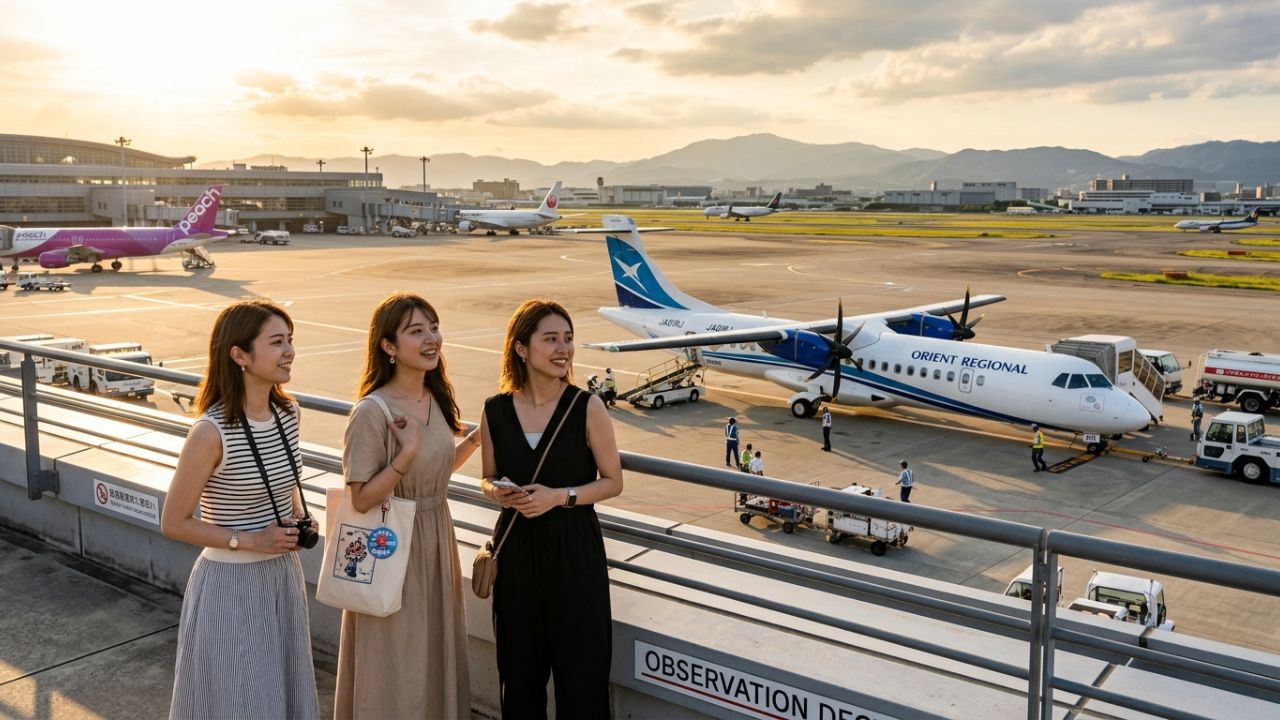
Image generated by AI
In a massive structural blow that highlights how severe industrial travel chaos is actively suppressing global commercial aviation, Japanese startup JCAS Airways has officially postponed its highly anticipated launch. Reported on June 20, 2026, as regional passengers monitor the latest airline news for alternatives to high-speed rail, the Osaka-based carrier confirmed it is completely abandoning its 2026 debut. Strangled by unprecedented global supply chain constraints and severe delays in aircraft manufacturing, JCAS Airways has pushed its inaugural operations to 2027. By refusing to launch prematurely without a confirmed, reliable fleet of ATR 72-600 turboprops, the airline is executing a tactical retreat to bypass the massive airport disruptions and rolling flight cancellations that inevitably destroy underprepared startups, cementing this supply chain crisis as today's most crucial headline in breaking aviation updates.
By introducing direct passenger coordination and dynamic scheduling backups, the regional aviation hubs target growing passenger demand across vital commerce sectors. The choice to coordinate flight departures in phases helps to manage gate capacity, supporting the country's broader regional transportation network.
Context: The Global Aircraft Supply Chain Collapse
For the highly competitive Japanese regional aviation sector, securing physical aircraft is the absolute ultimate tactical defense against structural operational failure.
Historically, launching a regional airline required strict adherence to regulatory timelines and aggressive route planning. However, the core breakdown in 2026 is entirely industrial. Global aviation supply chain disruptions have severely crippled production schedules for multiple aircraft manufacturers, including ATR. A catastrophic combination of component shortages, massive production backlogs, and soaring maintenance demands has created a worldwide aircraft deficit. For JCAS Airways, this external gridlock triggered a cascading operational failure. Without the physical delivery of their initial ATR 72-600 fleet, the airline is paralyzed. Critical launch phases—such as mandatory crew training flights, rigorous route validation, and finalizing airport handling agreements—cannot legally proceed. By postponing to 2027, JCAS Airways is actively choosing to bypass the operational travel chaos that would occur if they attempted to launch a fractured, under-equipped schedule.
To view live flight schedules, verify the active operational status of regional Japanese carriers, or to track potential route restorations prior to heading to the airport, travelers must consult official aviation directories. For direct updates regarding how this massive supply chain delay might limit your flight options out of Osaka, travelers should aggressively utilize the official digital portals of their respective airlines. To explore live flight tracking and monitor the exact severity of the cascading bottlenecks paralyzing the broader domestic airspace, passengers can consult the official FlightAware tracking service.
Section-Wise Breakdown: The Regional Network Delay
Kansai International Airport: The Stalled Hub
Despite the devastating launch postponement, JCAS Airways remains completely locked into Kansai International Airport in Osaka as its primary operational anchor. Kansai offers massive logistical advantages for a startup, including high-speed turnaround capacity, deeply established maintenance infrastructure, and seamless access to underserved domestic markets. However, until the ATR 72-600 aircraft physically arrive on the tarmac, Kansai's dedicated regional gates assigned to JCAS will remain empty, choking the airport's planned domestic expansion.
Toyama and Yonago: Routes Left Disconnected
The strategic focus of JCAS Airways was to aggressively target secondary Japanese cities that currently suffer from highly limited direct air connectivity. The initial route planning heavily prioritized regional destinations such as Toyama and Yonago. These specific routes were calculated to provide massive time advantages over Japan's sprawling, but occasionally circuitous, rail network. Because of the 2027 postponement, passengers relying on these new air links are now forced back onto longer train journeys, highlighting how aircraft shortages directly degrade regional mobility.
The ATR 72-600 Turboprop Strategy
JCAS Airways is strictly reliant on the ATR 72-600 turboprop. This specific aircraft is the backbone of their business model, chosen for its extreme fuel efficiency on short-haul sectors and its unique ability to operate out of smaller regional airports with limited runway infrastructure. Because there is no viable, immediate substitute for this aircraft type in the airline's financial model, JCAS cannot simply lease alternative jets. They must wait out the manufacturing backlog, ensuring their phased fleet introduction strategy remains financially stable upon launch.
Technical Roster: Official Airline Postponement Matrix
To ensure absolute factual accuracy regarding the exact aircraft types, targeted regional routes, and the specific supply chain triggers defining this massive operational delay, the following matrix details the strictly verified aviation data:
Official JCAS Airways Operational Matrix (June 2026)
| Operational Metric / Strategy | Verified Aviation Data |
|---|---|
| Operating Carrier | JCAS Airways (Osaka-based startup) |
| Original Launch Target | 2026 |
| Revised Launch Timeline | Postponed to 2027 |
| Primary Hub Base | Kansai International Airport (Osaka) |
| Initial Target Routes | Toyama, Yonago |
| Fleet Requirement | ATR 72-600 turboprop aircraft |
| Primary Delay Catalyst | Global supply chain constraints, component shortages |
| Stalled Operational Phases | Crew training flights, route validation, handling agreements |
Data accurately reflects the verified launch postponement, fleet requirements, and regional routing delays tracking the JCAS Airways startup timeline as of June 2026.
Industry Analysis: New Entrants Paralyzed
Aviation analysts monitoring the Japanese domestic market note that the JCAS Airways postponement exposes a massive, structural barrier facing all new entrants in the post-pandemic aviation economy.
Analysts emphasize that while passenger demand for regional aircraft has recovered explosively, manufacturing capacity is completely broken. This severe imbalance has resulted in multi-year delivery queues across virtually every major aircraft type. In Japan, this industrial failure is compounded by intense structural competition from the Shinkansen high-speed rail system. If a regional airline launches with unreliable equipment and suffers rolling cancellations, Japanese consumers will instantly and permanently abandon them for the train. By delaying the launch to 2027, JCAS Airways is prioritizing absolute operational readiness over speed to market, ensuring that when they do fly, they can actually compete with the flawless reliability of the rail network.
Regulatory Reality: The Certification Bottleneck
Even without physical aircraft on the ramp, JCAS Airways cannot pause its operations entirely. The airline is currently trapped in a complex regulatory limbo.
Japan’s aviation authorities require exhaustive safety certification, operational testing, and crew training validation before granting an Air Operator's Certificate (AOC). The severe absence of physical aircraft explicitly limits the airline's ability to complete its final, mandatory operational demonstrations for the regulators. JCAS Airways is forced to continue its preparatory work, burning capital on recruitment and ground training programs, just to maintain a state of "readiness" for the exact moment the ATR 72-600s finally arrive.
Actionable Advice for Regional Japanese Travel
Because the JCAS Airways routes to Toyama and Yonago are officially cancelled for the 2026 season, travelers must execute this strategic transit checklist immediately:
- Rely on High-Speed Rail: Do not hold out hope for new regional flight options this year. You must immediately secure tickets on the Shinkansen or regional express trains for transit between Osaka, Toyama, and Yonago.
- Audit Alternative Carriers: For routes requiring air travel, verify if legacy carriers (ANA or JAL) offer connections through major hubs, though expect significantly higher fares and longer transit times compared to the proposed direct JCAS flights.
- Monitor 2027 Launch Timelines: If you are planning corporate travel for next year, do not book JCAS Airways itineraries until the airline has formally received its Air Operator's Certificate and physically taken delivery of its aircraft.
FAQ: JCAS Airways 2027 Postponement
Why did JCAS Airways postpone its launch to 2027?
The launch was delayed entirely due to global aviation supply chain constraints and manufacturing backlogs preventing the delivery of their required ATR 72-600 aircraft.
What routes are affected by this launch delay?
The planned direct regional routes connecting Kansai International Airport in Osaka to underserved secondary cities like Toyama and Yonago are stalled until 2027.
What aircraft was JCAS Airways planning to use?
The airline’s operational model relies exclusively on the ATR 72-600 turboprop, chosen for its efficiency on short-haul routes and compatibility with smaller regional airports.
The Reality of the Aviation Supply Chain
The massive delay forced upon JCAS Airways proves definitively that global industrial shortages are the ultimate trigger for regional travel chaos. By effectively paralyzing the delivery of the ATR 72-600 fleet, the broken supply chain has successfully guaranteed that underserved Japanese cities remain disconnected from the Kansai hub. Yet, as eager tourists frantically pivot back to rail bookings, they must accept a critical new reality: launching a new airline is no longer just about capital; it is entirely dependent on manufacturing survival. Navigating this era of restricted capacity demands extreme patience, a complete refusal to rely on uncertified startup timelines, and the tactical discipline to secure legacy transit options long before the target travel date.
Key Takeaways
- Launch Postponement: JCAS Airways has officially delayed its inaugural operations from 2026 to 2027.
- Supply Chain Failure: The delay is caused by severe global aircraft delivery constraints affecting the ATR 72-600 turboprop.
- Stalled Network: Critical planned routes connecting Kansai International Airport to Toyama and Yonago are indefinitely on hold.
- Operational Gridlock: The lack of physical aircraft prevents the airline from completing mandatory crew training and regulatory route validation.
- Survival Strategy: Travelers must rely on Japan's established rail network or legacy carriers for regional transit through 2026.
Related Travel Guides
Massive Travel Chaos Paralyzes Chicago O'Hare with 1,425 Disruptions
Disclaimer
This article is for informational and educational purposes only. It does not constitute legal, financial, or professional advice. While we strive to provide accurate and up-to-date information, travel policies, regulations, and conditions change rapidly. Always verify information with official sources before making travel decisions. Nomad Lawyer makes no representations about the accuracy, reliability, completeness, or suitability of the information provided. Readers should consult qualified professionals for advice specific to their circumstances. The views expressed in this article are those of the author and do not necessarily reflect the views of Nomad Lawyer.
Kunal K Choudhary
Co-Founder & Contributor
A passionate traveller and tech enthusiast. Kunal contributes to the vision and growth of Nomad Lawyer, bringing fresh perspectives and driving the community forward.
Learn more about our team →