
Japan Expands Winter 2026 Tourism Strategy with World-Class Powder Snow, Onsen Wellness, and Regional Tohoku Villages
Japan expands its winter 2026 tourism offering beyond ski resorts, linking Hokkaido's powder snow and Sapporo festivals with quiet Tohoku snow villages and traditional onsens.

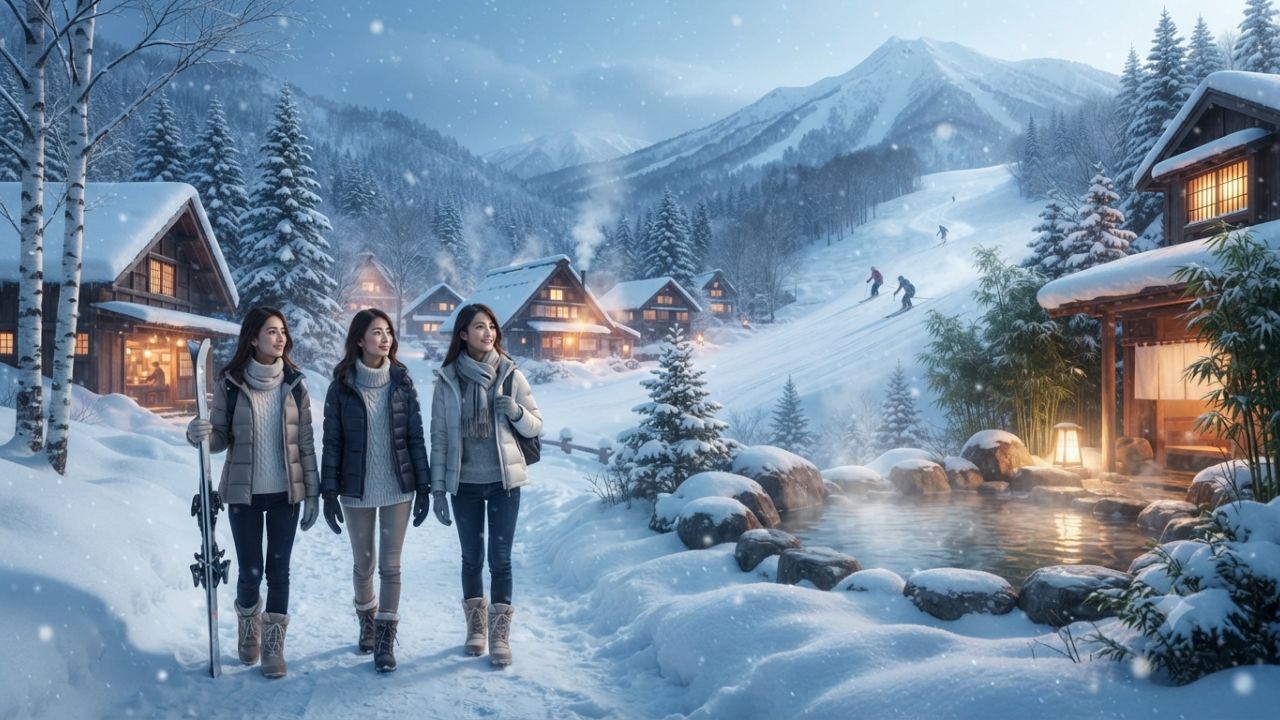
Image generated by AI
Japan’s winter tourism sector is preparing for a major transformation during the 2026 snow season, expanding its international focus from pure ski sports to holistic, experience-based winter journeys. Spearheaded by national tourism development initiatives, the strategy pairs Hokkaido’s world-renowned powder snow in Niseko, Furano, and Rusutsu with traditional onsen hot springs, regional winter festivals, and lesser-known mountain villages across the Tohoku region.
With peak snowfall conditions spanning January and February 2026, the JNTO Japan National Tourism Organization is encouraging international travelers to book longer stays and explore beyond traditional resort hubs. By integrating luxury ski amenities with authentic cultural heritage and winter gastronomy, Japan aims to distribute tourism revenue into rural communities while managing peak-season visitor capacity.
   [ Japan Winter 2026 Strategy ] ──> Hokkaido Hubs: Niseko, Furano, Rusutsu & Sapporo
                                  ──> Regional Expansion: Tohoku Traditional Snow Villages
                                  ──> Holistic Experience: Skiing + Onsen Wellness + Winter Gastronomy
Japan Tourism Agency Winter 2026 Focus Areas
The Japan Tourism Agency (JTA) has prioritized seven core pillars to elevate the nation's winter tourism infrastructure for international visitors:
JAPAN WINTER 2026 TOURISM STRATEGY MATRIX
| Column 1 |
|---|
| 1. Snow Resorts: Upgrade international facilities, lifts & luxury lodging |
| 2. Hokkaido Hub: Promote J-pow powder snow, backcountry skiing & Sapporo festival |
| 3. Niseko Focus: Expand multi-day luxury stays, dining & multi-lingual service |
| 4. Tohoku Region: Develop quiet, authentic snow villages & heritage trails |
| 5. Winter Events: Highlight traditional snow sculpture festivals & illuminations |
| 6. Onsen Wellness: Pair outdoor skiing with natural thermal hot spring baths |
| 7. Longer Stays: Encourage multi-week itineraries to boost local regional spend |
Official promotional guidelines from Visit Hokkaido highlight the key regional assets driving the 2026 winter season:
- Hokkaido Powder Snow ("J-Pow"): Famous worldwide for light, dry powder snow generated by cold Siberian winds blowing across the Sea of Japan.
- Niseko Luxury Expansion: Niseko continues to lead Japan's premium winter market, offering slope-side luxury chalets, Michelin-starred dining, and international ski schools.
- Tohoku Cultural Dispersion: Promoting northern Honshu regions (such as Aomori, Iwate, and Yamagata) to offer quiet, crowd-free snow experiences surrounded by historic thatched-roof villages and natural hot springs.
| Tourism Sector | Key Strategic Objective | Primary Destinations | Target Visitor Impact |
|---|---|---|---|
| Resort Infrastructure | Modernize lifts & English services | Niseko, Furano, Rusutsu, Hakuba | Seamless international ski access |
| Hokkaido Powder | World-class powder snow & tree runs | Niseko, Kiroro, Asahidake | Global free-riders & luxury skiers |
| Regional Heritage | Traditional snow villages & crafts | Tohoku (Ginzan Onsen, Shirakawa-go) | Culture & heritage travelers |
| Winter Festivals | Cultural events & snow art | Sapporo, Otaru, Asahikawa | Non-skiing winter sightseers |
| Onsen Wellness | Thermal bath relaxation | Noboribetsu, Nyuto Onsen, Jozankei | Wellness & post-ski recovery |
Hokkaido Leads the Global Snow Tourism Experience
Hokkaido remains the undisputed flagship of Japan’s winter travel ecosystem. During the peak months of January and February, snowfall levels reach their maximum depth across the island's mountain ranges.
                  ┌── Niseko United: International ski capital & luxury chalets
 [ Hokkaido Hubs ]┼── Furano & Rusutsu: Deep powder tree runs & family resorts
                  └── Sapporo: Gateway city & host of the Sapporo Snow Festival
Beyond downhill skiing and snowboarding, Hokkaido is promoting multi-activity winter itineraries:
- Sapporo Snow Festival: Held annually in early February, attracting millions of global visitors with massive, intricately carved ice and snow sculptures in Odori Park.
- Gastronomy & Seafood: Highlighting fresh winter seafood, including Hokkaido snow crab, sea urchin, and hot miso ramen.
- Thermal Hot Springs: Outdoor rotenburo (open-air hot springs) surrounding snow-covered pine forests in Noboribetsu and Jozankei.
Unlocking Hidden Winter Treasures in the Tohoku Region
To disperse winter travel beyond Hokkaido and Nagano, Japan is actively promoting the rugged Tohoku region on northern Honshu.
TOHOKU REGION WINTER EXPERIENCE HIGHLIGHTS
| Column 1 |
|---|
| Authentic Villages: Historic wooden inns at Ginzan Onsen & Ouchi-juku |
| Monster Snow Trees: "Juhyo" ice-encrusted trees at Mount Zao |
| Crowd-Free Skiing: Uncrowded powder runs at Appi Kogen & Tazawako |
Tohoku offers a slower, deeply cultural winter experience:
- Mount Zao "Snow Monsters": Unique natural formations (juhyo) where trees become heavily encrusted with ice and snow, creating surreal winter landscapes accessible via cable car.
- Ginzan Onsen: A historic silver mine town lined with gas-lit, multi-story wooden ryokan (traditional inns) flanking a snow-covered river.
- Appi Kogen Ski Resort: Offering expansive groomed trails, powder zones, and authentic Japanese hospitality without heavy international crowds.
Traveler Logistics Guide: Navigating Winter Travel in Japan
Travelers planning a winter trip to Japan in 2026 can streamline their transport and equipment arrangements using official railway and luggage services:
Tokyo (Haneda/Narita) ──> Hokkaido Shinkansen / Domestic Flight ──> Takkyubin Luggage Forwarding ──> Resort Arrival
1. Luggage & Ski Gear Forwarding (Hands-Free Travel)
- Takkyubin Services: Japan’s reliable luggage forwarding services (such as Yamato Transport) allow travelers to ship bulky ski bags and suitcases directly from Tokyo airports (NRT/HND) to their Hokkaido or Tohoku hotels, enabling hassle-free train travel.
2. Rail Transportation & Shinkansen Passes
- Hokkaido & Tohoku Rail Links: Travelers can utilize the JR East-South Hokkaido Rail Pass to ride the Shinkansen (bullet train) from Tokyo through the Seikan Undersea Tunnel to Hakodate, continuing via express trains to Sapporo and Niseko. Learn more at the official Japan Rail Pass portal.
3. Onsen Etiquette & Gear Preparation
- Thermal Bath Rules: Wash thoroughly at shower stations before entering shared thermal pools; swimwear is not permitted in traditional Japanese onsens.
- Winter Weather Apparel: Thermal base layers, waterproof outer shells, and studded winter boots are recommended for walking on icy city sidewalks in Sapporo and Otaru.
| Transport / Service | Logistics Provider / Tip | Traveler Advantage |
|---|---|---|
| Luggage Forwarding | Yamato Transport (Takkyubin) | Ship heavy ski gear direct to resort |
| Rail Pass | JR East-South Hokkaido Pass | Unlimited Shinkansen travel to Tohoku & Hokkaido |
| Domestic Flights | ANA / JAL to New Chitose (CTS) | Fast 90-minute hop from Tokyo to Sapporo |
| Local Transit | Prepaid IC Cards (Suica / Pasmo / Kitaca) | Tap-and-go access on city buses & subways |
Frequently Asked Questions (FAQ)
What are the peak winter months for snow travel in Japan?
January and February offer the deepest snowfall, best powder snow conditions, and main winter events like the Sapporo Snow Festival.
What is the difference between skiing in Hokkaido vs Tohoku?
Hokkaido (Niseko, Furano) offers large, internationally serviced ski resorts with deep powder and English-speaking amenities. Tohoku offers quieter, crowd-free slopes, traditional ryokans, and historic snow villages.
How can travelers ship ski equipment across Japan?
Travelers can use Takkyubin luggage forwarding services available at major airports and convenience stores to ship ski gear directly to their resort hotel.
What non-skiing winter activities are available in Japan?
Non-skiing activities include visiting natural outdoor onsens, attending the Sapporo Snow Festival, viewing Mount Zao's "snow monsters," and exploring historic snow villages like Ginzan Onsen.
Related Travel Guides
- Germany, Switzerland, and Albania Drive Kosovo Tourism Boom: 2.7% Year-on-Year Growth in Foreign Overnights for March 2026
- New York City Marathon 2026 Alters Bronx Course for First Time in 15 Years as US Sports Tourism Draws Global Runners
- Peru and Bolivia Hit Peak Tourism Season in July 2026: Inca Trail, Machu Picchu, and Lake Titicaca Reach Maximum Visitor Capacity
Disclaimer
This article is for informational and educational purposes only. It does not constitute legal, financial, or professional advice. While we strive to provide accurate and up-to-date information, travel policies, regulations, and conditions change rapidly. Always verify information with official sources before making travel decisions. Nomad Lawyer makes no representations about the accuracy, reliability, completeness, or suitability of the information provided. Readers should consult qualified professionals for advice specific to their circumstances. The views expressed in this article are those of the author and do not necessarily reflect the views of Nomad Lawyer.
Kunal K Choudhary
Co-Founder & Contributor
A passionate traveller and tech enthusiast. Kunal contributes to the vision and growth of Nomad Lawyer, bringing fresh perspectives and driving the community forward.
Learn more about our team →