
Germany, Switzerland, and Albania Drive Kosovo Tourism Boom: 2.7% Year-on-Year Growth in Foreign Overnights for March 2026
Kosovo's tourism sector surges with 2.7% YoY growth in foreign tourist overnights in March 2026, led by visitors from Germany, Switzerland, and Albania—signaling the Balkans' emergence as a global travel destination.

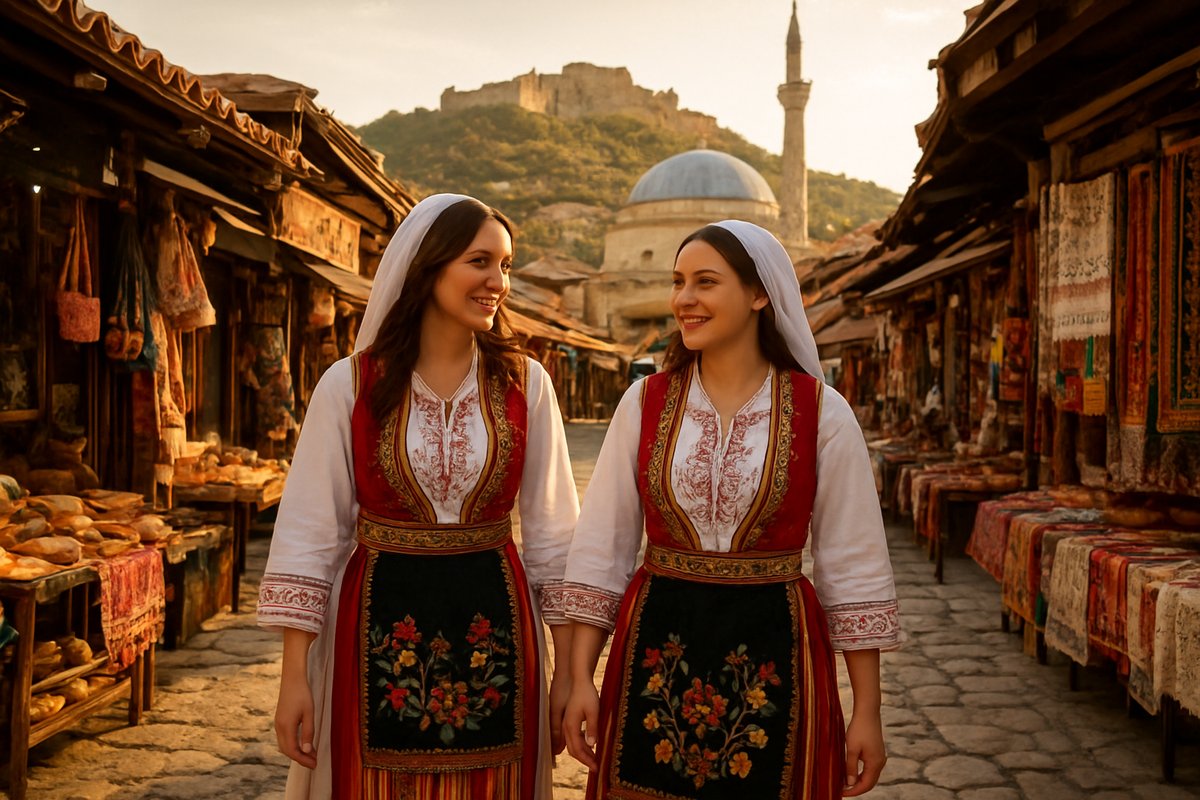
Image generated by AI
Germany, Switzerland, and Albania Drive Kosovo Tourism Boom: 2.7% Year-on-Year Growth in Foreign Overnights for March 2026
Balkan Destination Emerges as Rising Star as International Visitor Numbers Surge
Kosovo's tourism sector is experiencing a decisive awakening. Fresh data from March 2026 reveals a robust 2.7% year-on-year surge in foreign tourist overnights, propelled by a strategic influx of visitors from Germany, Switzerland, and neighboring Albania. With 52,226 total foreign overnights recorded in the month—up from 50,867 the previous year—Kosovo is crystallizing its position as the Balkans' next frontier destination, driven by cultural ties, improved infrastructure, and growing international recognition of its untapped potential.
The Numbers Tell a Compelling Story
The Kosovo Agency of Statistics (ASK) has delivered encouraging data that signals a turning point for the nation's hospitality sector. While the 2.7% increase in foreign overnights may appear modest on the surface, it masks a far more dynamic picture: the number of foreign visitors to Kosovo's hotels surged 9.1% year-on-year, jumping from 25,189 in March 2025 to 27,469 in March 2026.
This divergence—faster growth in visitor numbers than overnights—suggests that while more tourists are arriving, they're staying slightly shorter periods. However, the overall hotel occupancy narrative remains decidedly positive. Total hotel visitors, including both foreign guests and domestic travelers, reached 56,644 in March 2026, representing a robust 9.4% increase from the previous year's 51,788.
Germany and Switzerland: European Pillars of Kosovo's Tourism Renaissance
Germany and Switzerland have emerged as Kosovo's second and third-largest source markets, reflecting both diaspora networks and broadening European curiosity about the Balkans.
German Visitors Lead European Contingent
Germany delivered 3,175 visitors to Kosovo's hospitality sector in March 2026—a substantial contribution from Western Europe's economic powerhouse. The flow of German tourists to Kosovo is no accident. A significant diaspora of Kosovars in Germany—numbering in the hundreds of thousands—maintains deep family and cultural ties to the homeland. These networks facilitate repeated visits, reduce perceived travel barriers, and generate word-of-mouth recommendations that ripple through German travel circles.
Switzerland's Alpine Connection
Swiss nationals accounted for 2,300 visitors in March 2026, maintaining their status as one of Kosovo's most reliable European feeder markets. Like Germany, Switzerland hosts a vibrant Albanian-Kosovar community whose influence extends beyond family visits into broader tourism promotion. Affluent Swiss travelers increasingly view the Balkans as an undervalued alternative to overtouted Mediterranean destinations—a perception that benefits Kosovo's emerging hospitality infrastructure.
Albania: The Neighboring Juggernaut
But the story's true epicenter lies just west of Kosovo's border.
Albanian citizens comprised Kosovo's largest foreign visitor cohort in March 2026, with 10,820 individuals crossing into the country—nearly four times the German total and nearly five times the Swiss figure. This dominance reflects geographic proximity, minimal travel friction, and the profound cultural and familial interweaving of Kosovo and Albania's 3 million combined population.
Direct flight connectivity between Pristina and Tirana has expanded in recent years, making same-day or weekend trips feasible for Albanians. More importantly, the ease of travel—combined with shared language, religion (predominantly Muslim), and historical narrative—removes psychological barriers that international travelers from distant markets must overcome.
The Broader European Ecosystem
Beyond the "Big Three," Kosovo's tourism growth is being sustained by a distributed network of European visitors. The United Kingdom, France, Italy, and Austria all showed positive growth trajectories in March 2026, indicating that Kosovo's appeal is not confined to diaspora-heavy markets but is beginning to penetrate mainstream European travel consciousness.
This diversification is strategically significant. Over-reliance on any single market—as many emerging destinations discover to their peril—creates vulnerability to geopolitical disruptions, currency fluctuations, or domestic travel trends. Kosovo's emerging polyglot visitor base suggests a more resilient tourism economy.
Infrastructure and Sustainability: The Enablers Behind Growth
Kosovo's tourism resurgence is not serendipitous. Both the public and private sectors have invested deliberately in tourism infrastructure. Hotel quality has improved markedly. Transport connections—both air routes and ground transportation—have expanded. The government has prioritized sustainable tourism practices, recognizing that environmental stewardship attracts affluent, repeat visitors and protects the natural landscapes that constitute Kosovo's primary competitive advantage.
The country's rugged Accursed Mountains, pristine alpine lakes, Ottoman-era architecture, and medieval Serbian monasteries compose a tourism portfolio that, while not as immediately recognizable as Croatian Dalmatia or Greek islands, offers genuine authenticity—precisely what discerning travelers increasingly seek.
March 2026 Tourism Performance Dashboard
| Metric | March 2026 | March 2025 | YoY Change | % Growth |
|---|---|---|---|---|
| Foreign Tourist Overnights | 52,226 | 50,867 | +1,359 | +2.7% |
| Foreign Visitors | 27,469 | 25,189 | +2,280 | +9.1% |
| Total Hotel Visitors (Domestic + Foreign) | 56,644 | 51,788 | +4,856 | +9.4% |
Top Foreign Visitor Sources (March 2026)
- Albania: 10,820 visitors
- Germany: 3,175 visitors
- Switzerland: 2,300 visitors
- Other European countries: Steady growth across UK, France, Italy, Austria
What's Driving This Momentum?
1. Diaspora Networks and Family Tourism The Albanian-Kosovar diaspora in Germany and Switzerland represents a powerful distribution channel for tourism. Family reunification visits generate the volume that sustains hotel occupancy.
2. Ease of Travel Modern Pristina "Adem Jashari" International Airport now connects to major European hubs. Low-cost carriers and regional airlines have expanded service. Visa requirements for EU and Swiss nationals are minimal.
3. Cultural and Historical Discovery Post-Balkan Wars, international interest in the region's complex history has grown. Kosovo's medieval heritage, Ottoman architecture, and role in Balkan geopolitics attract history tourists and cultural explorers.
4. Sustainable Destination Positioning As overtourism plagues Mediterranean and Alpine classics, Kosovo's pristine natural areas and lower visitor volumes appeal to environmentally conscious travelers.
5. Regional Revival The broader Balkan tourism renaissance—exemplified by Albania's rapid growth, North Macedonia's emerging profile, and Serbia's steady climb—creates a positive halo effect. Regional tourist routes, festivals, and cross-border itineraries have proliferated.
The Outlook: Bottlenecks and Opportunities
Kosovo's tourism sector faces both headwinds and tailwinds.
Opportunities:
- Untapped Asian markets (India, Japan, South Korea) represent significant growth potential
- United States and Canadian diaspora communities could be mobilized through targeted marketing
- Wedding tourism, business conferences, and adventure tourism remain underdeveloped niches
- Regional tourism clusters with Albania and North Macedonia could amplify visitor numbers
Challenges:
- Limited hotel inventory at luxury and mid-range segments
- Competitive pressure from established Balkan destinations
- Geopolitical sensitivities around Kosovo's status (not universally recognized) may deter some international investors and tourists
- Air connectivity remains limited compared to larger European hubs
What Comes Next?
Kosovo's tourism trajectory suggests a destination entering its growth phase. If current momentum continues, the country could realistically target 3-4% annual growth in foreign overnights over the next 2-3 years, with potential to reach 5%+ as infrastructure matures and marketing efforts expand beyond European markets.
The Albanian dominance will likely persist—geographic and cultural proximity ensure this—but the German and Swiss contingents signal that Kosovo is successfully penetrating the broader European consciousness. That breakthrough is the true leading indicator of sustainable, long-term tourism development.
For investors in hotel infrastructure, tourism enterprises, and hospitality services, Kosovo represents a rare opportunity: an underdeveloped destination in an increasingly mature market, with visible momentum and policy support. For travelers, Kosovo offers the Balkans' most authentic experience—mountain wilderness, medieval monasteries, cosmopolitan Pristina culture, and genuine hospitality unmediated by mass tourism's cynicism.
Conclusion
Kosovo's 2.7% year-on-year growth in foreign tourist overnights for March 2026 is more than a statistical blip—it's a harbinger. The country is transitioning from a post-conflict curiosity to a legitimate Balkan destination, anchored by diaspora networks from Germany and Switzerland, sustained by immediate regional demand from Albania, and increasingly discovering appeal among broader European travelers. As infrastructure improves, marketing efforts expand, and regional tourism clusters deepen, Kosovo's trajectory suggests that the next decade will see it establish itself as a must-visit Balkans destination—not as a secondary option, but as a primary draw. For a nation still building its international profile, that represents a quiet but undeniable tourism revolution.
Key Takeaways
- 52,226 foreign tourist overnights were recorded in Kosovo's hotels during March 2026—a 2.7% year-on-year increase
- 27,469 foreign visitors arrived in March 2026, up 9.1% from the prior year
- Albania supplied 10,820 visitors (39% of foreign arrivals), driven by geographic proximity and cultural ties
- Germany contributed 3,175 visitors, leveraging diaspora networks and Western European travel curiosity
- Switzerland delivered 2,300 visitors, maintaining its role as a reliable European feeder market
- Total hotel guests (domestic + foreign) reached 56,644, a 9.4% year-on-year gain
- Kosovo's tourism sector is benefiting from improved infrastructure, sustainable practices, and regional tourism momentum
- Future growth potential exists in untapped markets (Asia, North America) and emerging tourism niches (adventure, weddings, conferences)
Related Travel Guides
Disclaimer
This article is for informational and educational purposes only. It does not constitute legal, financial, or professional advice. While we strive to provide accurate and up-to-date information, travel policies, regulations, and conditions change rapidly. Always verify information with official sources before making travel decisions. Nomad Lawyer makes no representations about the accuracy, reliability, completeness, or suitability of the information provided. Readers should consult qualified professionals for advice specific to their circumstances. The views expressed in this article are those of the author and do not necessarily reflect the views of Nomad Lawyer.
Kunal K Choudhary
Co-Founder & Contributor
A passionate traveller and tech enthusiast. Kunal contributes to the vision and growth of Nomad Lawyer, bringing fresh perspectives and driving the community forward.
Learn more about our team →