
Peru and Bolivia Hit Peak Tourism Season in July 2026: Inca Trail, Machu Picchu, and Lake Titicaca Reach Maximum Visitor Capacity
July 2026 brings record visitor numbers to Peru and Bolivia's iconic destinations. Inca Trail permits sell out months in advance as dry season weather drives peak Andean tourism demand across Cusco, Cordillera Blanca, and Lake Titicaca.

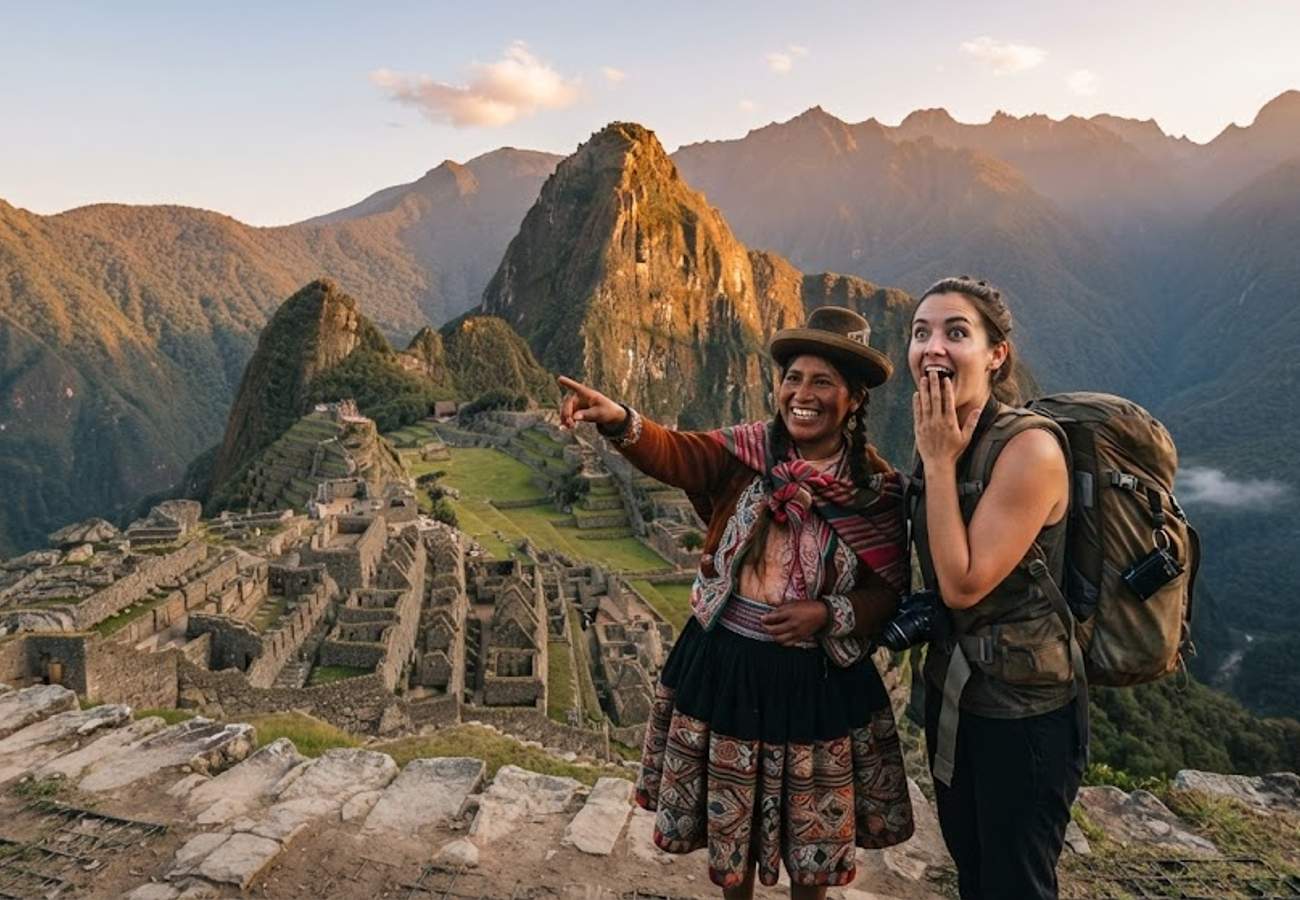
Image generated by AI
The Andean Summer Rush Hits Peak Capacity
July 2026 marks the busiest tourism month across Peru and Bolivia as Cusco, the Inca Trail, the Cordillera Blanca, and Lake Titicaca simultaneously reach maximum visitor capacity. The dry season's clear skies and favourable weather conditions have triggered unprecedented demand among domestic and international travellers seeking to explore South America's most celebrated mountain destinations.
Tourism operators, accommodation providers, trekking guides, and transport services are operating at full stretch. What I found when researching current conditions: this isn't just another busy month. This is peak tourism season colliding head-on with operational limits.
Why July Rules the Andean Calendar
The mathematics of Andean tourism are straightforward. July delivers minimal rainfall, exceptional visibility, and stable weather patterns that make high-altitude trekking both safe and spectacular.
Reddit: "Just booked my Inca Trail permits for September after learning July is completely sold out. The guides were booking the entire year out months in advance." — r/travel
The dry season creates a narrow window where thousands of trekkers, climbers, and cultural tourists converge on the same mountain passes and archaeological sites. School holidays across Europe and North America amplify this demand. The result: popular destinations operating near or at absolute maximum capacity.
The Inca Trail: Permits Booked Months in Advance
The Inca Trail remains the world's most sought-after trekking route, and July consistently ranks as its busiest period.
Travellers undertaking the four-day trek experience ancient Inca archaeological sites, high mountain passes exceeding 4,200 metres, cloud forests teeming with biodiversity, and their final approach to Machu Picchu. The journey culminates with sunrise over one of humanity's most iconic structures.
Here's the critical detail: trekking permits are often secured 4-6 months in advance due to strict visitor capacity controls. Peru's government limits daily entries to protect both the historic trail and its surrounding ecosystem. During July, availability essentially vanishes.
The combination of reliable weather conditions and school holiday travel demand creates a perfect storm of visitor concentration. Tour operators report that advance bookings for peak July dates are already locked in for the remainder of 2026.
Cusco: South America's Premier Tourism Gateway
Cusco serves as the essential base for virtually every major Andean tourism itinerary. The city's blend of colonial architecture, living Inca heritage, and modern tourism infrastructure makes it the regional hub.
During July, visitors use Cusco as a launching point for:
- Machu Picchu excursions (primarily via the Sacred Valley or alternative trails)
- Sacred Valley cultural tours exploring rural indigenous communities
- Historical sightseeing through colonial city centres
- Gastronomy tourism sampling regional Peruvian cuisine
- Adventure activities including zip-lining and mountain biking
Hotel occupancy rates spike dramatically. Restaurants experience sustained high demand. Activity booking services operate continuously. Local guides manage back-to-back tour schedules.
Reddit: "Cusco feels like a beautifully organized but absolutely packed tourist factory in July. Every restaurant reservation took weeks. Worth it, but go prepared for crowds." — r/travel
Cordillera Blanca: Where High-Altitude Adventure Peaks
Further north, the Cordillera Blanca mountain range attracts serious adventurers seeking access to some of the world's highest tropical peaks.
This UNESCO-recognised trekking destination features:
- Multi-day high-altitude expeditions lasting 5-10 days
- Technical mountain climbing on glaciated peaks
- Glacier viewing and photography tourism
- Nature expeditions exploring rare alpine ecosystems
- National park exploration within Huascaran National Park
The nearby city of Huaraz serves as the primary gateway. During July's dry season, guides report safer climbing conditions and more reliable weather forecasting—factors that directly drive visitor volumes higher.
Lake Titicaca: The World's Highest Tourism Hub
On the Peru-Bolivia border, Lake Titicaca experiences one of its busiest periods. As the world's highest navigable lake at 3,812 metres elevation, it attracts cultural tourism specialists and indigenous heritage enthusiasts.
Key tourism centres include Puno (Peru) and Copacabana (Bolivia). Visitors explore the famous Floating Uros Islands, Taquile Island's textile traditions, and Amantani Island's agricultural communities. Lake excursions operate continuously during peak season.
The dry season enables clearer lake views and more reliable transportation services—both factors that substantially increase tourism activity.
Cross-Border Tourism: Peru and Bolivia as a Single Itinerary
International travellers increasingly structure month-long journeys combining both countries.
A typical itinerary might include: Cusco → Inca Trail → Sacred Valley → Lake Titicaca (Puno) → Lake Titicaca (Copacabana, Bolivia) → La Paz → Return. This creates coordinated cross-border tourism flows supporting accommodation, transport operators, and local businesses simultaneously.
According to recent tourism data from Peru's National Tourism Board, combined Peru-Bolivia itineraries have increased 23% year-over-year among international visitors.
Infrastructure Under Maximum Pressure
The concentration of peak-season visitors creates genuine operational challenges.
Tourism businesses are currently managing:
- Limited accommodation capacity with weeks-long booking windows
- Restricted trekking permits under environmental protection protocols
- Peak transportation demand across domestic flights and ground transport
- Guide availability constraints with experienced guides booked solid
- Restaurant reservation backlogs in main tourism cities
Despite these pressures, established infrastructure continues accommodating large visitor numbers while maintaining environmental access controls at sensitive archaeological and ecological sites.
Why This Economic Moment Matters
The Andean tourism economy depends heavily on this concentrated seasonal window.
Hotels, restaurants, tour companies, transport operators, and cultural attractions collectively capture months' worth of annual revenue during July's peak weeks. Adventure tourism, heritage tourism, and cultural tourism remain the primary demand drivers—each attracting travellers seeking authentic experiences within South America's most iconic landscapes.
Local economies from Cusco to Huaraz to Puno rely on this seasonal revenue surge for annual sustainability. The stakes for operational excellence during peak months are exceptionally high.
Planning Considerations for Prospective Travellers
If you're considering Andean travel during July 2026 or beyond, understand these realities:
- Book accommodation 6-12 months in advance for popular destinations
- Secure Inca Trail permits 4-6 months early through authorized operators
- Expect crowded conditions at major sites including Machu Picchu
- Plan flexible travel dates to navigate capacity constraints
- Hire experienced local guides to maximize cultural understanding amid tourism density
According to travel planning resources from Lonely Planet, visiting Peru during shoulder seasons (May-June or September-October) offers superior experience-to-crowd ratios while maintaining dry season conditions.
Peak Season Timeline
May–June 2026 – Dry season conditions strengthen across both countries
Early July 2026 – Visitor arrivals accelerate noticeably across major destinations
Mid-July through late July 2026 – Inca Trail, Cordillera Blanca, and Lake Titicaca operate at maximum capacity
August 2026 – Demand remains elevated but begins gradual seasonal decline
What Operators Are Managing Right Now
Tourism authorities and private-sector operators are balancing three competing priorities: maximizing revenue from peak season demand, maintaining environmental and archaeological protections, and delivering satisfactory visitor experiences despite crowding.
Community-based tourism initiatives are gaining traction as alternative channels for visitor spending—distributing tourism pressure beyond the most iconic (and crowded) attractions. Sustainable travel practices and cultural heritage conservation remain officially emphasized objectives across both nations.
The next four weeks will test whether established infrastructure can continue accommodating this volume while preserving the very destinations attracting visitors in the first place.
The Andean summer is here, the permits are sold out, and the mountains are waiting—but you'd better already have your reservation locked in.
Related Travel Guides
Disclaimer
This article is for informational and educational purposes only. It does not constitute legal, financial, or professional advice. While we strive to provide accurate and up-to-date information, travel policies, regulations, and conditions change rapidly. Always verify information with official sources before making travel decisions. Nomad Lawyer makes no representations about the accuracy, reliability, completeness, or suitability of the information provided. Readers should consult qualified professionals for advice specific to their circumstances. The views expressed in this article are those of the author and do not necessarily reflect the views of Nomad Lawyer.
Kunal K Choudhary
Co-Founder & Contributor
A passionate traveller and tech enthusiast. Kunal contributes to the vision and growth of Nomad Lawyer, bringing fresh perspectives and driving the community forward.
Learn more about our team →