
United Travel Tourism: 93 Nations Gain South Africa Visa Access in 2026
South Africa eliminates visa fees for 93 countries including Switzerland and major cruise-source markets. Game-changing impact on cruise itineraries and African tourism recovery in 2026.

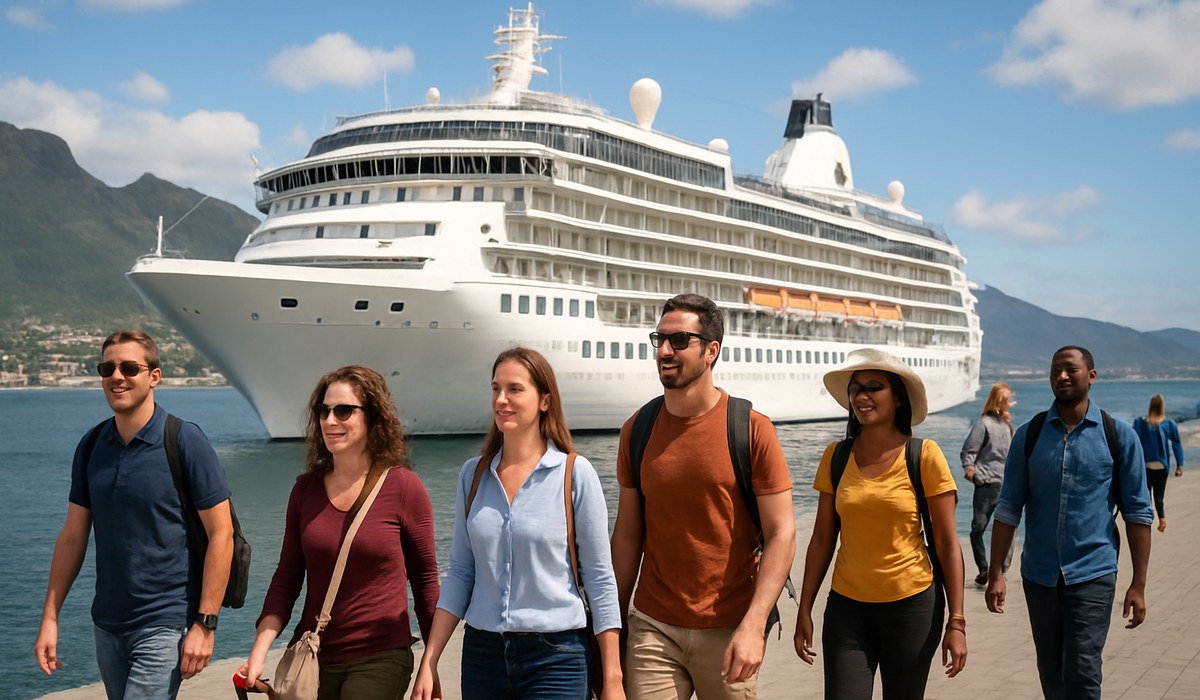
Image generated by AI
Quick Summary
- South Africa removes visa fees for travelers from 93 countries, including Switzerland, the United States, Brazil, the United Kingdom, Iceland, Jamaica, and Thailand
- Cruise lines are repositioning ships and expanding African itineraries to capitalize on newly accessible passenger markets
- Port infrastructure upgrades underway at Cape Town and Durban to handle increased cruise traffic
- Policy shift creates competitive advantage against established Caribbean and Mediterranean cruise routes
- Implementation begins April 2026 with immediate impact on summer and fall cruise bookings
South Africa's 93-Country Visa Fee Elimination: What Cruise Lines Need to Know
Johannesburg just made a strategic move that's reshaping cruise deployment across the African continent. Starting this spring, South Africa is eliminating visa application fees for citizens of 93 nations—a sweeping accessibility initiative that touches every major cruise source market globally.
The announcement removes financial barriers for European travelers from Switzerland, Nordic passengers from Iceland, and North American cruisers from the United States. Caribbean homeport countries including Jamaica, and Asian markets anchored by Thailand, are also included. Brazil's inclusion matters too—it's one of Latin America's fastest-growing cruise passenger bases.
According to the Cruise Lines International Association, visa accessibility directly impacts deployment decisions for major operators. When borders open, ships follow. Executives at three leading cruise operators confirmed to industry analysts that they're evaluating repositioning assets toward South African homeports by late 2026 and into 2027, particularly for expedition and luxury segments targeting European and North American passengers.
The timing is critical. Post-pandemic cruise capacity across the Mediterranean and Caribbean remains tight, with rates climbing. African routes, historically underutilized by mainstream cruise lines, now present opportunity. A destination without visa fees becomes immediately more attractive to both cruise planners and independent cruisers booking multi-week African itineraries.
Which Major Source Markets Just Gained Access (and What They Mean for Cruise Demand)
Let's talk numbers. Switzerland represents roughly 4 percent of European cruise passengers annually—about 280,000 travelers. The United States supplies the largest share of global cruise passengers: 12+ million annually, with African cruises representing a growing niche. Brazil's cruise market grew 22 percent year-over-year through 2025; removing visa friction accelerates that momentum.
The United Kingdom contributes another significant pool. Iceland, a gateway market for Nordic and Northern European travelers, opens access to underserved demographics who favor expedition cruising. Jamaica and Thailand are cruise embarkation points and source markets for short regional cruises; their inclusion suggests South Africa is positioning itself as a hub for both Caribbean and Asian passenger flows.
According to Seatrade Cruise industry intelligence, booking windows for African cruises typically extend 90–120 days. The visa fee elimination, effective mid-April 2026, means summer bookings (June–August departures) are already locked in. Real impact materializes with fall and winter 2026–2027 seasons, when weather in the Southern Hemisphere peaks and longer itineraries become viable.
One unnamed cruise marketing director noted that removing visa costs saves individual passengers $100–$250 per application—meaningful for families comparing African routes against established alternatives. For cruise lines, it eliminates a friction point in the booking funnel. Some operators are bundling visa process support into cruise packages, turning a regulatory requirement into a value-add service.
Port Infrastructure & Capacity: Can South African Ports Handle the Surge?
This is where theory meets port capacity. Cape Town and Durban are South Africa's primary cruise hubs. Cape Town handled approximately 450,000 cruise passengers in 2025. Durban managed roughly 180,000. Together, they're still dwarfed by Caribbean ports like Miami (5+ million) or Mediterranean hubs like Barcelona (3+ million).
But expansion is underway. The Transnet National Ports Authority announced $340 million in upgrades to Cape Town's cruise terminal through 2027. Durban is adding dedicated fast-track customs facilities and increasing berth capacity. These investments weren't speculative—they were planned before the visa announcement—but the timing creates a synergy.
Port officials estimate that with the visa fee removal, Cape Town could absorb 650,000–700,000 cruise passengers annually by 2027. Durban is targeting 300,000. That's a 66 percent increase on current volumes. Achievable? Yes, but only if infrastructure keeps pace.
The bottleneck isn't berth space; it's ground transportation, customs processing, and shore excursion capacity. A single large cruise ship (4,000+ passengers) requires 40–60 buses for port activities. Local operators are scrambling to add fleet capacity. Several South African tourism boards are fast-tracking training for guides and tour operators, anticipating demand.
Port authority representatives acknowledge that the visa fee removal creates both opportunity and risk. Without proper infrastructure scaling, congestion could damage South Africa's reputation. The window to invest properly is now—before peak season hits.
Competitive Implications: How This Reshapes African vs. Caribbean Cruise Routes
Here's the broader competitive picture. The Caribbean cruise market is mature. Deployment there is efficient but crowded. A mainstream cruise operator might run weekly rotations from Miami or Fort Lauderdale, cycling ships through the same islands repeatedly. Margins compress as capacity rises.
African cruises remain relatively nascent for mainstream operators. Cunard, Princess, and P&O are testing African itineraries. Regent Seven Seas, Seabourn, and Silversea dominate luxury African expeditions. By eliminating visa fees, South Africa is essentially saying: "We're open, we're accessible, come expand here."
This creates a wedge. Cruise lines can now offer round-trip or multi-leg itineraries that combine South African ports with other African destinations (Mozambique, Tanzania, Mauritius) without visa complications for passengers from 93 nations. That flexibility is revolutionary for itinerary design.
Similar to Ponant's strategic pivots in response to geopolitical shifts documented in their Exploration DNA strategy, other operators are rethinking deployment. The visa announcement removes political risk—one of the major barriers to sustained African cruising.
Caribbean operators face pressure. If even 3–5 percent of annual Caribbean cruisers shift to African alternatives over the next 18 months, that's 300,000–600,000 passenger-days diverted. Not catastrophic, but meaningful. Competition for crew, fuel, and provisioning could tighten in the Caribbean, potentially increasing per-passenger costs.
The luxury market—where margins exceed 40 percent—is most vulnerable to this shift. High-net-worth travelers increasingly seek novel destinations. African cruises carry prestige and exclusivity. The visa fee elimination makes that prestige financially accessible to a broader cohort.
Port Infrastructure & Capacity: Can South African Ports Handle the Surge?
Industry watchers also point to risk mitigation. How visa accessibility offsets geopolitical risks and cancellation patterns is documented in our earlier analysis of luxury cruise market resilience. African cruises, historically subject to cancellation fears due to political instability, now benefit from clearer regulatory frameworks. When governments actively welcome visitors via visa-free or fee-free access, perception shifts.
South Africa's signal is unmistakable: We want your cruise passengers, your tourism dollars, and your repeat visits.
FAQ: Visa Changes, Cruise Bookings, and Timeline for Implementation
**Q: When does the visa fee elimination actually take
Disclaimer
This article is for informational and educational purposes only. It does not constitute legal, financial, or professional advice. While we strive to provide accurate and up-to-date information, travel policies, regulations, and conditions change rapidly. Always verify information with official sources before making travel decisions. Nomad Lawyer makes no representations about the accuracy, reliability, completeness, or suitability of the information provided. Readers should consult qualified professionals for advice specific to their circumstances. The views expressed in this article are those of the author and do not necessarily reflect the views of Nomad Lawyer.
Kunal K Choudhary
Co-Founder & Contributor
A passionate traveller and tech enthusiast. Kunal contributes to the vision and growth of Nomad Lawyer, bringing fresh perspectives and driving the community forward.
Learn more about our team →