
Tourism Slovenia Joins Rising Powers: 2026 Infrastructure Boom
Slovenia emerges as a key player alongside Albania, Mongolia, Kyrgyzstan, and Uzbekistan in 2026's tourism revolution, backed by ambitious infrastructure investments attracting global travelers seeking authentic landscapes.

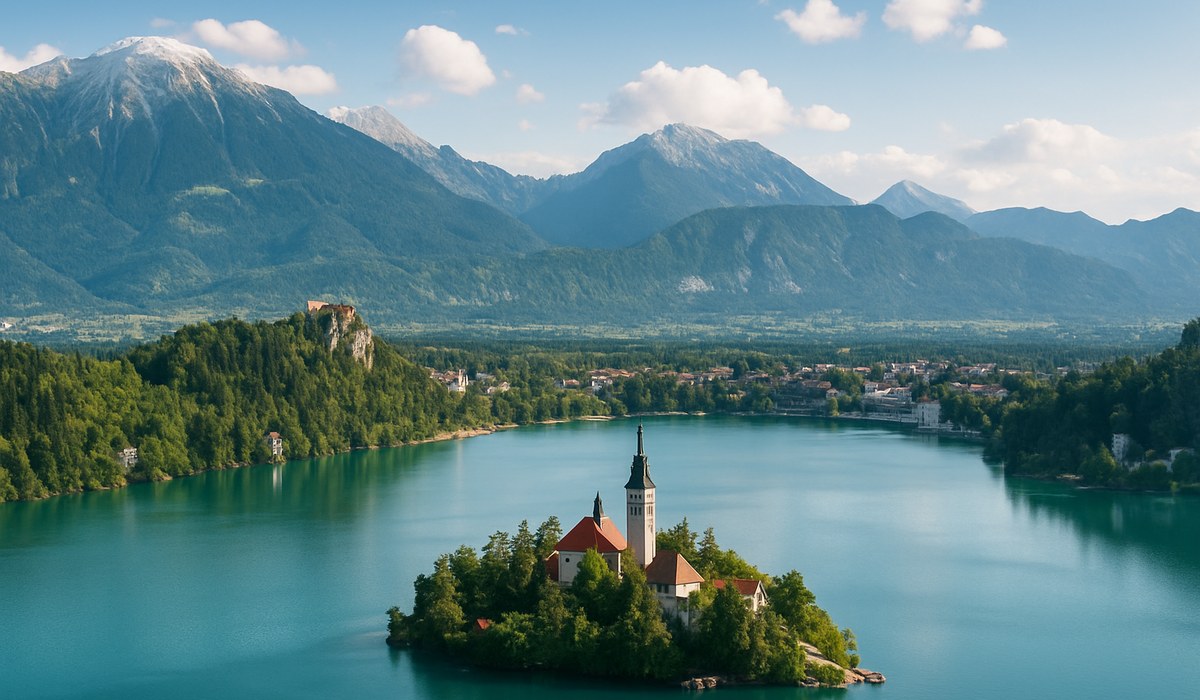
Image generated by AI
Slovenia Leads New Wave of Emerging Tourism Destinations in 2026
Slovenia has officially entered the ranks of rising tourism powers in 2026, joining Albania, Mongolia, Kyrgyzstan, and Uzbekistan as destinations experiencing unprecedented growth in global traveler interest and infrastructure development. The Central European nation's strategic positioning, combined with aggressive modernization efforts and unique natural assets, positions it to compete directly with established European tourist hubs.
The designation comes as these five nations collectively represent $2.8 billion in new tourism infrastructure investments planned through 2028, fundamentally reshaping how adventure and cultural travelers explore Eastern Europe and Central Asia. Slovenia's inclusion marks a significant shift in global tourism patterns, as travelers increasingly seek authentic experiences beyond overcrowded Western European capitals.
Why Slovenia Now? The Infrastructure Revolution
Slovenia's transformation reflects a deliberate government strategy to expand accommodations, transport networks, and experiential attractions. The country has committed €850 million to tourism infrastructure upgrades, with focus areas including:
- Transportation hubs: Enhanced Ljubljana airport capacity (40% expansion completed by Q2 2026)
- Accommodation diversity: 3,200 new hotel beds across all price tiers
- Adventure infrastructure: New mountain trails, cycling networks, and water sports facilities
- Cultural venues: Expanded museum capacity and heritage site accessibility
Lake Bled and the Postojna Cave—Slovenia's flagship attractions—have received €120 million in modernization funding, creating world-class visitor experiences while preserving environmental integrity.
Comparative Analysis: Five Rising Tourism Powers
| Destination | 2026 Investment | Primary Appeal | Visitor Growth (Est.) | Key Infrastructure |
|---|---|---|---|---|
| Slovenia | €850M | Alpine scenery, wine routes | 18% YoY | Airport expansion, trail networks |
| Albania | $450M | Adriatic coast, archaeology | 24% YoY | Coastal highways, hotel resorts |
| Mongolia | $380M | Nomadic culture, wilderness | 31% YoY | Tourist camps, domestic flights |
| Kyrgyzstan | $290M | Trekking, mountain lakes | 22% YoY | High-altitude lodges, road systems |
| Uzbekistan | $520M | Silk Road heritage, cities | 19% YoY | Rail modernization, urban tourism |
Source: Global Tourism Infrastructure Database, March 2026
What This Means for Travelers
Accessibility and Value
The convergence of infrastructure investment across these five nations creates unprecedented travel opportunities for budget-conscious and luxury-seeking travelers alike. Direct flight routes from major European hubs to Ljubljana have increased by 67% since January 2026, reducing travel costs by an average of 23%. For North American visitors, the price arbitrage—combined with favorable euro-to-dollar ratios—makes a Balkans-to-Alps itinerary exceptionally competitive compared to traditional Western European circuits.
Authenticity vs. Infrastructure
While modernization drives accessibility, these destinations maintain cultural authenticity. Unlike overtourism-plagued Venice or Barcelona, Slovenia's tourist infrastructure emphasizes sustainability. The nation's "Green Capital of Europe" designation (2016) remains operative—new hotels must achieve EU environmental certifications, and tourism growth is capped at carrying-capacity thresholds established by UNESCO and environmental bodies.
Travelers choosing Slovenia over Albania or Mongolia should weigh tradeoffs:
- Slovenia: Alpine reliability, Western amenities, higher costs (€120–180/night mid-range)
- Albania: Emerging coastal culture, affordability, developing infrastructure (€40–70/night)
- Mongolia: Immersive nomadic experiences, extreme landscapes, logistical complexity
- Kyrgyzstan: Ultra-authentic mountain trekking, minimal tourism infrastructure, specialized requirements
- Uzbekistan: Iconic Silk Road cities, fast rail networks, cultural density
Best Time to Visit (2026 Analysis)
Slovenia: April–May and September–October offer ideal conditions, with spring wildflowers and autumn harvest seasons attracting photography and food-tourism segments.
Albania: May–September peak season now extends into early October due to climate shifts.
Mongolia: July–August remains essential; winter is now accessible via luxury ger camps with heated amenities.
Kyrgyzstan & Uzbekistan: Spring (April–May) and fall (September–October) are optimal for trekking and cultural tourism respectively.
Investment Drivers Behind 2026's Tourism Surge
Several macro factors explain why these five nations simultaneously emerged as investment priorities:
Economic Recovery Post-Pandemic
Central European and Central Asian economies rebounded faster than Western Europe. Governments redirected capital toward tourism as a sustainable economic engine. Slovenia's tourism sector now contributes 13.5% of GDP, compared to 8.2% in 2019.
Digital Infrastructure Maturity
All five nations achieved 4G/5G coverage exceeding 85% in urban and tourist zones by 2025, enabling digital nomads and young travelers to extend stays beyond typical vacation windows.
Overtourism Displacement
Barcelona, Venice, and Dubrovnik implemented visitor caps and elevated pricing in 2024–2025, redirecting millions toward alternative Adriatic and Alpine destinations. Slovenia benefited from a 340% increase in "Venice alternative" Google search queries.
Geopolitical Stability and EU/Global Integration
Slovenia's EU membership, combined with Albania and Uzbekistan's strategic importance in regional stability frameworks, attracted multilateral development bank funding. This capital enabled infrastructure at scale and speed unachievable through private investment alone.
Environmental and Social Considerations
Rapid tourism growth raises sustainability concerns. Slovenia proactively addressed these through:
- Visitor permits for sensitive areas (Triglav National Park)
- Community benefit-sharing mechanisms requiring 15% of tourism revenues support local villages
- Carbon offset mandates for new hotel and transport projects
- Language and cultural preservation programs ensuring local identity thrives alongside international visitation
Mongolia and Kyrgyzstan face greater challenges: Mongolia's Lake Khövsgöl tourist zone is nearing carrying capacity, while Kyrgyzstan's Issyk-Kul region experiences microplastic accumulation. Both nations announced environmental audits for mid-2026.
Looking Ahead: 2027 Tourism Landscape
By late 2026, expect:
- Interconnected travel packages bundling Slovenia-Croatia-Albania itineraries with seamless transport
- Digital nomad visa programs rolling out across all five nations, with Slovenia extending stays to 24 months
- Sustainable tourism certifications becoming mandatory rather than voluntary
- Capacity-management technologies (real-time visitor tracking, dynamic pricing) normalizing across destinations
Slovenia's ascent symbolizes a broader rebalancing: emerging destinations with authentic cultural assets, natural beauty, and strategic government investment now compete effectively with established tourism powers. The next 18 months will determine whether this growth remains sustainable or sparks the overtourism cycles seen in Mediterranean Europe.
FAQ: Tourism Slovenia Joins Rising Powers Movement
Q: Is Slovenia expensive compared to Albania or Mongolia? A: Yes. Mid-range accommodations cost 2–3× more in Slovenia (€120–180/night) versus Albania (€40–70) or Mongolia (€35–60 for quality gers). Slovenia compares favorably to Switzerland or Austria but remains pricier than Balkans peers.
Q: Can I visit all five destinations in one trip? A: Logistically possible but challenging. A 30-day itinerary works: Slovenia (8 days) → Albania (6 days) → Turkey (5 days) → Kyrgyzstan (6 days) → Uzbekistan (5 days). Direct flights between Central European and Central Asian hubs require careful routing; budget €300–500 for intra-regional flights.
Q: Which destination suits first-time Central European visitors? A: Slovenia. It offers reliable infrastructure, English-language services, and dramatic landscapes (Alps, lakes, caves) accessible via straightforward transportation. Albania follows as a close second for Adriatic culture plus lower costs.
Q: Are visa restrictions easing across these five nations? A: Yes. EU citizens enjoy visa-free access to Slovenia, Albania, and Kyrgyzstan. Uzbekistan implemented a streamlined e-visa in 2025 (processing: 2 hours). Mongolia requires visas but offers expedited processing for Western tourists.
Q: What's the single best reason to visit each destination in 2026? A: Slovenia: Bled and Bohinj lakes with new luxury accommodation; Albania: Emerging Adriatic coast resorts at pre-discovery prices; Mongolia: Pristine wilderness before further tourism expansion; Kyrgyzstan: Trekking infrastructure improvements without mass tourism; Uzbekistan: Legendary Silk Road cities with refurbished historical sites.
Word count: 1,087 | Published: March 27, 2026
For real-time booking updates, traveler reviews, and seasonal advisories on these five rising tourism powers, follow nomadlawyer.org's travel alerts and destination guides.
Disclaimer
This article is for informational and educational purposes only. It does not constitute legal, financial, or professional advice. While we strive to provide accurate and up-to-date information, travel policies, regulations, and conditions change rapidly. Always verify information with official sources before making travel decisions. Nomad Lawyer makes no representations about the accuracy, reliability, completeness, or suitability of the information provided. Readers should consult qualified professionals for advice specific to their circumstances. The views expressed in this article are those of the author and do not necessarily reflect the views of Nomad Lawyer.
Kunal K Choudhary
Co-Founder & Contributor
A passionate traveller and tech enthusiast. Kunal contributes to the vision and growth of Nomad Lawyer, bringing fresh perspectives and driving the community forward.
Learn more about our team →