
Tokyo Tourism Faces Crisis as Property Prices Surge and New Accommodation Taxes Loom for 2027
Skyrocketing real estate costs and proposed property taxes in Tokyo are threatening the hospitality sector, risking staff shortages and higher room rates for international visitors.

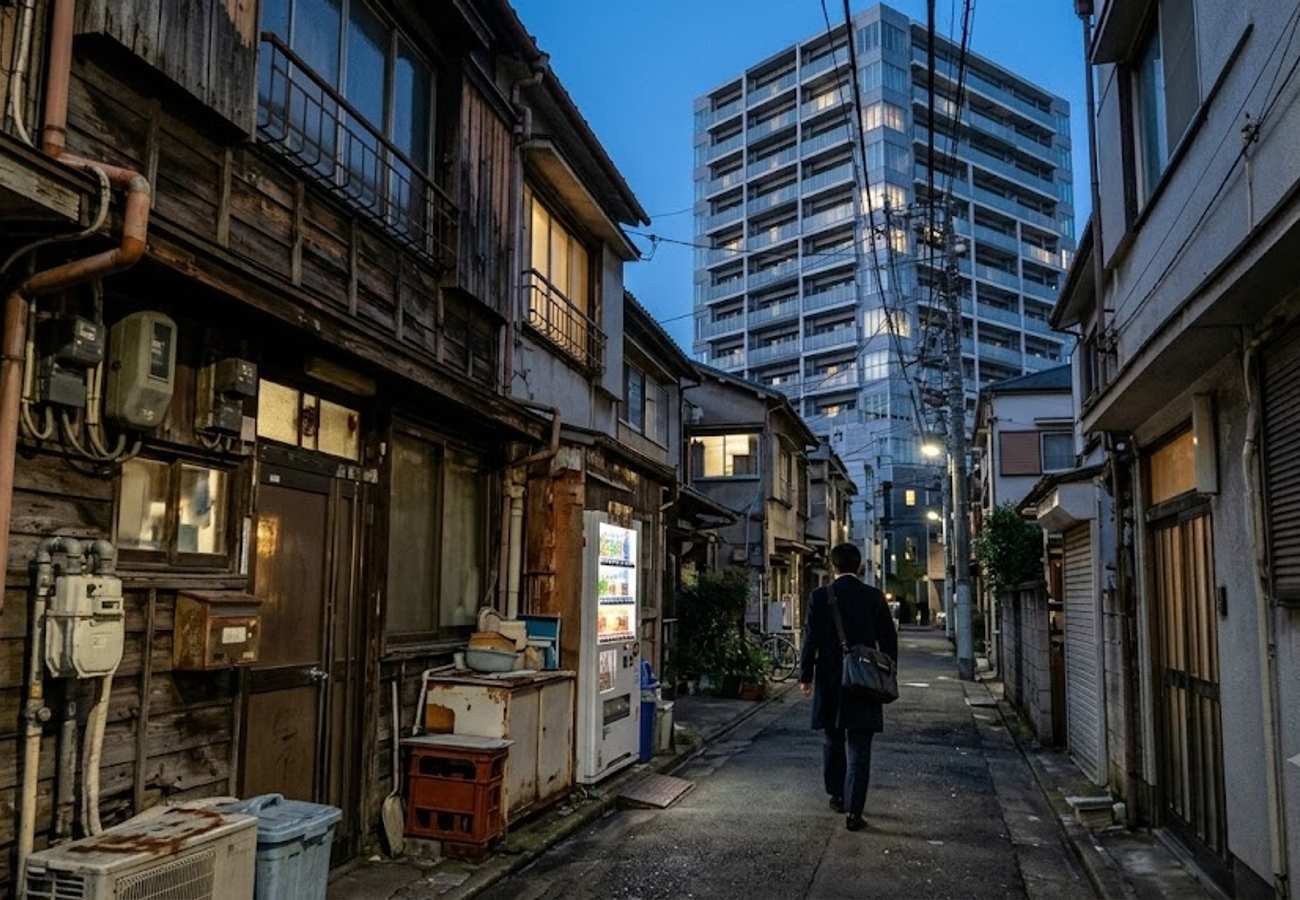
Image generated by AI
[Tokyo, October 22, 2026] — Tokyo's tourism sector is confronting a severe affordability crisis as skyrocketing property prices threaten hotel development and the availability of hospitality staff. The surge in real estate costs, coupled with proposed government taxes on short-term property flips, is creating a volatile environment for investors and operators in one of the world's most visited cities.
The crisis comes as the Japanese government seeks to cool an overheated market. On October 21, 2026, the ruling Liberal Democratic Party initiated discussions to increase taxes on the rapid resale of apartments. This move targets speculators who purchase residential units for quick profit, a trend that has pushed the average price of new apartments in Tokyo’s 23 wards to ¥179.25 million between April and September—a 34.7% increase in just one year.
Real Estate Volatility Triggering Hospitality Strain
The intersection of record-breaking tourism and inflating land values is squeezing the margins of hotel operators. While Tokyo saw 28.65 million international arrivals in 2025, the cost of the land required to house these guests has climbed aggressively. Commercial land values across the 23 wards rose 13.3% in the year ending July 2026, with specific hotspots like Taito Ward (home to Asakusa) seeing a jump of 19.6%.
This price surge affects three primary areas of the tourism ecosystem:
- Hotel Development: High entry costs are forcing developers to pivot toward premium, luxury-only accommodations or the conversion of existing structures rather than new builds.
- Minpaku (Private Lodging): Registered holiday rentals are facing a "margin squeeze." With purchase prices rising and a national cap of 180 operating days per year, owners are struggling to maintain profitability.
- Labor Housing: Hospitality workers, who earn significantly less than the national industrial average, are being priced out of the city.
Tokyo Tourism Market Indicators (2025-2026)
| Metric | Value / Change | Period |
|---|---|---|
| International Visitors | 28.65 Million (+15.6%) | Full Year 2025 |
| Avg. New Apartment Price (23 Wards) | ¥179.25 Million (+34.7%) | April – Sept 2026 |
| Commercial Land Value Increase | +13.3% | Year to July 2026 |
| Taito Ward Commercial Land Increase | +19.6% | Year to July 2026 |
| Avg. Residential Rent (23 Wards) | ¥4,909 per sq meter (+6%) | Year to Q3 2026 |
| Accommodation Staff Shortage | 72.2% of businesses | Dec 2025 – Jan 2026 |
What This Means for Travelers
For the average tourist, these macroeconomic shifts will translate into direct costs and potential service degradation. The most immediate impact is the confirmed implementation of a new Tokyo Metropolitan Government accommodation tax.
Passenger Impact Breakdown:
- Direct Cost Increase: Starting April 1, 2027, a 3% accommodation tax will apply to stays costing ¥13,000 or more per person, per night. For example, a ¥20,000 room will now cost an additional ¥600.
- Limited Budget Options: As land prices rise, the "budget" hotel segment may shrink, with more properties shifting toward luxury tiers to justify the real estate cost.
- Service Delays: With 72.2% of hotels reporting staff shortages and rising rents making it impossible for workers to live near their jobs, guests may encounter longer check-in lines and reduced housekeeping frequency.
- Minpaku Pricing: Expect higher nightly rates for Airbnb-style rentals as owners pass on increased mortgage and maintenance costs to the guest.
The Labor Crisis and Future Outlook
The gap between hospitality wages and living costs has reached a critical point. According to the Japan Tourism Agency, full-time accommodation workers earned an average of ¥4.13 million in 2025, vastly trailing the broader industry average of ¥5.46 million. When paired with a 6% increase in average rents, the hospitality sector is facing a recruitment collapse.
If the Liberal Democratic Party moves forward with higher short-term capital gains taxes, the flow of investment into small-scale tourist apartments may dry up, further limiting the variety of lodging available to mid-range travelers. However, institutional investment remains strong; CBRE reports that Asia-Pacific hotel investment hit US$8 billion in the first half of 2026, suggesting that while small owners suffer, large corporate hotel chains will continue to dominate the Tokyo skyline.
FAQ: Tokyo Travel & Lodging 2026-2027
When does the new Tokyo accommodation tax start? The 3% tax takes effect on April 1, 2027. It applies to qualifying stays of ¥13,000 or more per person per night across hotels, inns, and registered private lodgings.
Will the proposed property resale tax affect my hotel booking? No. The proposed tax targets real estate investors who flip apartments for profit; it is not a direct tax on tourist bookings or nightly room rates.
Why are hotel staff shortages becoming a problem in Tokyo? A combination of low industry wages (¥4.13 million avg) and rising city rents (up 6%) is making it unaffordable for hospitality workers to live within a reasonable distance of their workplaces.
Are "Minpaku" (private rentals) still a viable option? Yes, but they are becoming more expensive. Due to the 180-day annual operating limit and rising property costs, owners are increasing nightly rates to remain profitable.
Tokyo's struggle to balance record-breaking tourism with urban livability is now a costly reality for both the worker and the visitor.
Related Travel Guides
Disclaimer
This article is for informational and educational purposes only. It does not constitute legal, financial, or professional advice. While we strive to provide accurate and up-to-date information, travel policies, regulations, and conditions change rapidly. Always verify information with official sources before making travel decisions. Nomad Lawyer makes no representations about the accuracy, reliability, completeness, or suitability of the information provided. Readers should consult qualified professionals for advice specific to their circumstances. The views expressed in this article are those of the author and do not necessarily reflect the views of Nomad Lawyer.
Naina Thakur
Contributor & Travel Specialist
Travel enthusiast and legal writer covering visa regulations, responsible tourism, and cultural journeys across global destinations.
Learn more about our team →