
Japan Advances Regional Travel as Machigatari Digital Platform Catalogs 625 Hidden Towns Beyond Tokyo and Kyoto
Bilingual platform Machigatari indexes 625 Japanese municipalities, supporting government goals to distribute international visitors beyond Tokyo, Kyoto, and Osaka.

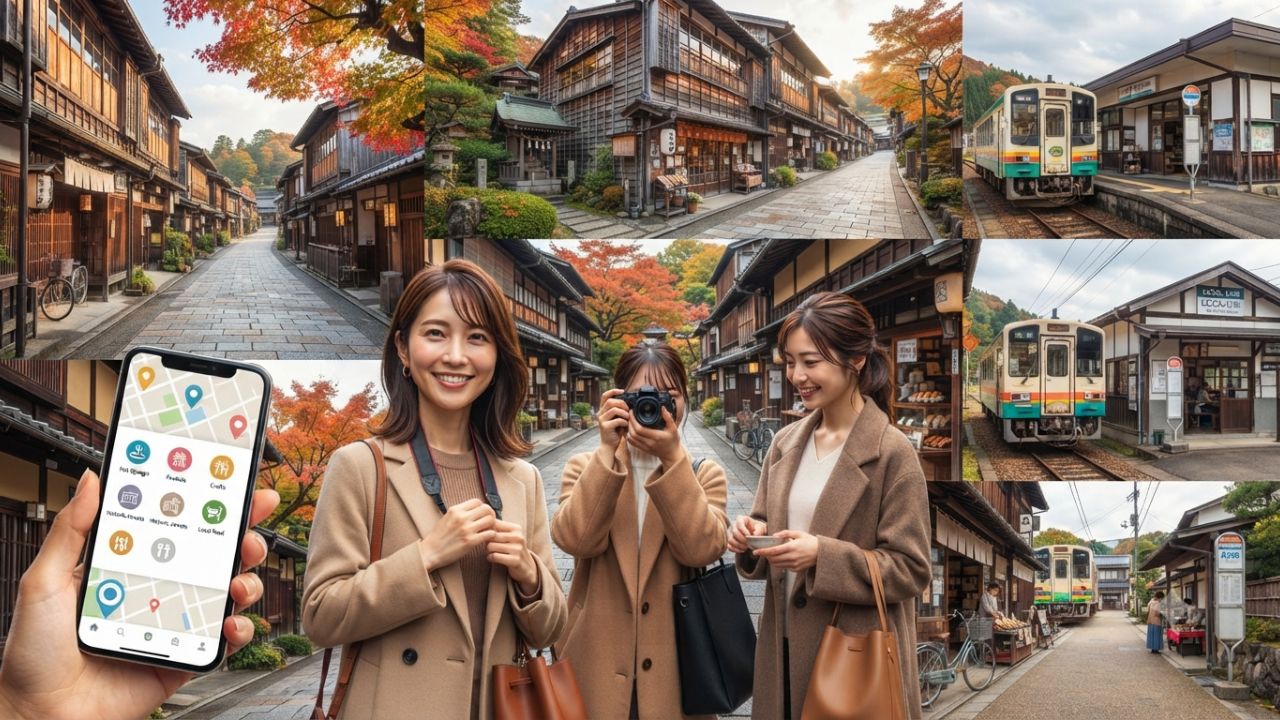
Image generated by AI
A bilingual town discovery platform, Machigatari, has cataloged 625 Japanese municipalities to encourage international travelers to explore rural areas beyond Tokyo, Kyoto, and Osaka. The digital database aligns with Japan's national target to achieve 60 million annual international visitors and ¥15 trillion in inbound spending by 2030.
[TOKYO, Japan, Oct 7, 2026] — Efforts to diversify international visitor distribution across Japan have taken a digital step forward with the expansion of Machigatari, a bilingual town discovery platform created by developer Takashi Hiraoka.
As of October 7, 2026, the live platform indexes 625 smaller towns and municipalities. The initiative aims to build structured, accessible profiles covering all 1,741 municipalities nationwide, providing international travelers with direct tools to discover regional hot springs, historical streetscapes, island communities, and artisanal food hubs.
| Platform Operational Metric | Current Live Statistic | Strategic Travel & Policy Impact |
|---|---|---|
| Indexed Municipalities | 625 towns (as of Oct 7, 2026) | Expanding toward all 1,741 Japanese municipalities |
| Platform Creator | Takashi Hiraoka | Independent bilingual travel technology initiative |
| User Access Model | Free access, no registration required | Removes user onboarding barriers for international tourists |
| Primary Search System | Thematic interest & travel-time filters | Connects travelers by activity rather than town name |
| National 2030 Visitor Target | 60 million international arrivals | Set under Tourism Nation Promotion Basic Plan (2026–2030) |
| National 2030 Spend Target | ¥15 trillion in inbound tourist spend | Focuses on expanding spending in regional economies |
Thematic Filtering Indexes 625 Municipalities by Cultural Experiences
Unlike traditional destination portals that require users to search by specific geographic names, Machigatari organizes rural destinations around interest-based categories.
The live database categorizes municipalities by distinct cultural and natural assets, enabling travelers to discover rural destinations based on personal interests.
| Thematic Category | Indexed Town Count | Example Experience / Visitor Appeal |
|---|---|---|
| Famous Local Festivals | 186 municipalities | Regional maturi celebrations & folk performances |
| Hot Springs (Onsen) | 115 municipalities | Traditional thermal bath communities & ryokans |
| Historic Streetscapes | 105 municipalities | Preserved Edo and Meiji-era architecture |
| Island Destinations | 100 municipalities | Coastal ecology, secluded beaches, and fishing villages |
| Traditional Crafts | 82 municipalities | Washi paper, pottery, lacquerware, and textile workshops |
Additional thematic filters index towns connected with castle heritage, port histories, sake breweries, green tea plantations, mountain hiking, fruit orchards, and local culinary traditions.
Travel-Time Search Engine Connects Day-Trippers From Urban Hubs
A significant barrier to regional tourism is the perceived difficulty of navigating transit into rural areas. Machigatari addresses this by indexing municipalities based on transit times from major urban rail hubs.
The platform categorizes destinations by travel duration from central city stations, offering filters for 30 minutes, 45 minutes, 60 minutes, 90 minutes, and two hours, alongside dedicated tags for towns served directly by Shinkansen bullet train lines.
For international travelers staying in metropolitan centers like Tokyo, Osaka, or Nagoya, identifying a historical craft village or hot-spring district within a 60-to-90-minute train ride enables seamless day trips, distributing tourist spending into regional restaurants, shops, and museums.
| Travel-Time Category | Transit Connection Format | Strategic Tourism Benefit |
|---|---|---|
| 30 to 45 Minutes | Suburban commuter rail lines | Ideal for short afternoon excursions from major hubs |
| 60 to 90 Minutes | Regional express lines & Shinkansen | Converts regional towns into viable day-trip destinations |
| 120 Minutes | Shinkansen & rural feeder lines | Encourages overnight stays in rural ryokans |
Platform Supports Government Strategy to Reduce Concentration in Hotspots
Machigatari’s launch coincides with official efforts by the Japan Tourism Agency (JTA) and the Japan National Tourism Organization (JNTO) to address visitor concentration in major metropolitan corridors.
The government’s Tourism Nation Promotion Basic Plan (2026–2030) emphasizes regional travel distribution, technology adoption, and overtourism management. While Japan remains on track toward its 2030 goals of 60 million international visitors and ¥15 trillion in inbound expenditure, policy guidelines prioritize extending visitor stays within rural prefectures.
Complementing these policy targets, JNTO’s Japan’s Local Treasures program actively promotes regional craft workshops, countryside stays, and outdoor recreation. On September 29, 2026, JNTO published updated recommendations for off-the-beaten-path destinations to guide travel planning for 2027.
| Government Policy Benchmark | Official Target / Announcement | Operational Focus |
|---|---|---|
| Tourism Plan Framework | Tourism Nation Promotion Basic Plan | 2026–2030 rolling policy period |
| Annual Visitor Goal | 60 million international arrivals | Target year: 2030 |
| Inbound Spending Goal | ¥15 trillion (~$100+ billion USD) | Focuses on high-yield regional expenditure |
| JNTO Off-the-Beaten-Path Update | Published September 29, 2026 | Curates regional itineraries for 2027 travel |
Repeat Visitors Drive Demand for Regional Japanese Travel
Market research indicates that repeat international visitors to Japan show higher interest in exploring non-traditional destinations. While first-time visitors primarily follow the standard Golden Route (Tokyo–Kyoto–Osaka), multi-visit travelers seek quieter destinations, specialized regional food, and local cultural interactions.
By making 625 smaller towns searchable through an accessible bilingual interface, Machigatari helps bridge the gap between regional municipal marketing budgets and international travel demand.
As the platform expands toward its full goal of cataloging all 1,741 municipalities, it provides a functional digital model for spreading tourism benefits to local communities across Japan.
Why This Matters: What It Means for Traveler Logistics and Itineraries
For international travelers planning trips to Japan, Machigatari provides practical tools for structuring customized itineraries:
- For repeat visitors to Japan: Travelers can use theme-based filters (such as 115 onsen towns or 82 craft villages) to build regional itineraries outside the standard Tokyo–Kyoto–Osaka corridor.
- For day-trip planning from major cities: The travel-time search engine allows urban visitors to locate authentic historical towns within a 60-to-90-minute train ride, maximizing day-trip options.
- For budget and independence: The platform is free to use without registration, providing direct access to regional municipal descriptions and transport tags.
Related Travel Guides
Japan After-Dark Tourism Boom Driven by Shibuya Regulations and Yokai Noctourism
Japan Top 10 Halloween Travel Destinations and Autumn Event Schedules for 2026
10 Best Off-The-Beaten-Path Hot Spring Towns in Japan, According to Reddit
Disclaimer
This article is for informational and educational purposes only. It does not constitute legal, financial, or professional advice. While we strive to provide accurate and up-to-date information, travel policies, regulations, and conditions change rapidly. Always verify information with official sources before making travel decisions. Nomad Lawyer makes no representations about the accuracy, reliability, completeness, or suitability of the information provided. Readers should consult qualified professionals for advice specific to their circumstances. The views expressed in this article are those of the author and do not necessarily reflect the views of Nomad Lawyer.
Raushan Kumar
Founder & Lead Developer
Full-stack developer with 11+ years of experience and a passionate traveller. Raushan built Nomad Lawyer from the ground up with a vision to create the best travel and law experience on the web.
Learn more about our team →