
Japan Dual Pricing 2026: How New Tourist Surcharges and Regional Targets Affect Your Trip
Japan is implementing a decentralized dual-pricing model where individual operators can charge foreign tourists more to combat overtourism, while aiming for 130 million regional overnight stays by 2030.

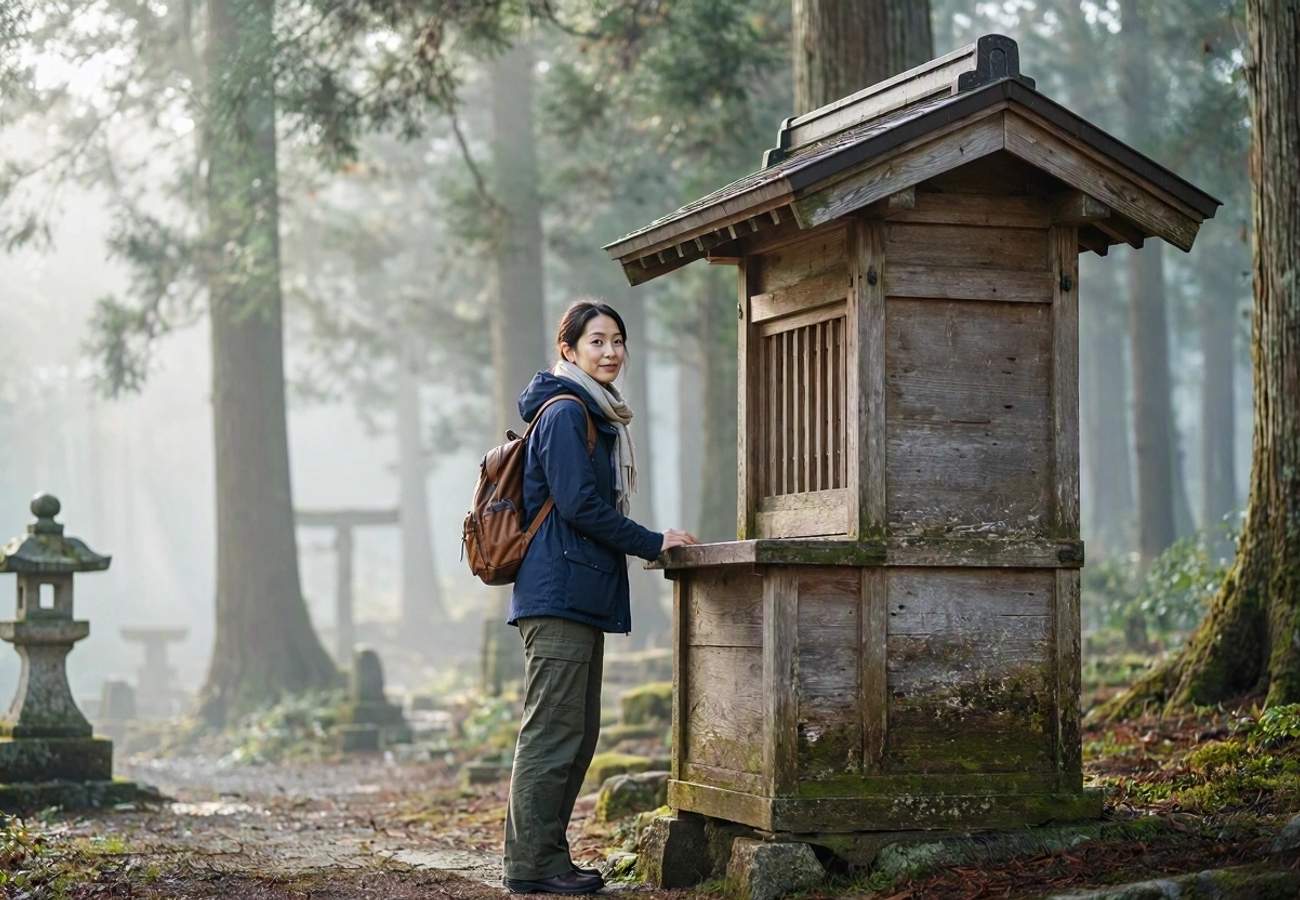
Image generated by AI
Are you planning a trip to Japan and wondering why your admission ticket costs more than the person standing next to you? Starting in late 2026, you may encounter "dual pricing," a system where foreign visitors pay higher rates than domestic residents at specific attractions and services.
The Shift Toward Decentralized Dual Pricing
Following an official briefing on 13 October 2026, the Japan Tourism Agency (JTA) has clarified that the decision to implement dual pricing rests entirely with individual business operators. There is no mandatory, nationwide surcharge for foreigners. Instead, the government is granting autonomy to museums, temples, and tour operators to set their own price points based on their specific needs and the pressure of overtourism.
This policy aims to mitigate the strain on popular sites while maintaining economic growth. To prevent confusion, the JTA is currently drafting transparency guidelines. These rules will require operators to clearly communicate why pricing differs and ensure that international guests are informed of the costs before purchase.
Regional Growth and Visitor Statistics
Japan is aggressively attempting to push travelers away from the "Golden Route" (Tokyo, Osaka, and Kyoto), which currently absorbs roughly 60% of all foreign overnight stays. The goal is to distribute wealth and foot traffic to rural prefectures.
| Metric | 2025 Data | 2030 Target | Status/Change |
|---|---|---|---|
| International Arrivals | 42.7 Million | N/A | Record High (+15.8% YoY) |
| Regional Overnight Stays | 60.56 Million | 130 Million | Planned Increase |
| Major Hub Concentration | 60% of stays | Decrease | Strategy Shift |
Traveler Logistics Guide
For the modern nomad or frequent traveler, these changes require a shift in budgeting and itinerary planning. Here is the practical breakdown of how to handle the new landscape.
1. Budgeting for "Variable" Admission Since there is no flat tax, you cannot simply add a percentage to your budget. When visiting high-traffic sites in Kyoto or Tokyo, check the official website for "Foreign Visitor" vs. "Resident" pricing. If you are a legal resident of Japan (holding a Zairyu card), always carry it to avoid the tourist premium.
2. Navigating Accommodation Taxes Do not confuse dual pricing with accommodation taxes. Local governments—not the JTA—control these. These taxes are often applied to both domestic and foreign guests. When booking through platforms like Booking.com or Agoda, verify if the "City Tax" or "Accommodation Tax" is included in the total or must be paid in cash at check-in.
3. Optimizing for Regional Travel To avoid the crowds and potential surcharges of the major cities, pivot your itinerary toward regional hubs. Japan is incentivizing this shift to reach its 130 million overnight stay goal. Consider using the JR Pass or regional equivalents to explore prefectures outside the top three hubs, where dual pricing is less likely to be implemented due to a higher need for visitor volume.
4. Digital Documentation Ensure your passport is readily available. In a dual-pricing environment, operators will require proof of nationality or residency to determine which price tier applies to you.
Regional Connectivity Impact
The push toward 130 million regional overnight stays by 2030 will likely trigger a surge in infrastructure investment in lesser-known prefectures. Travelers can expect increased English-language signage and expanded transport links in rural areas as the government tries to decongest Tokyo, Osaka, and Kyoto.
This strategic shift transforms Japan from a "three-city destination" into a broader national experience. For the traveler, this means more authentic interactions in the countryside and potentially lower costs compared to the over-saturated urban centers where dual pricing is most likely to be adopted.
FAQ: Japan Tourism Pricing 2026
Do I need a special visa to avoid dual pricing? No. Dual pricing is based on residency and nationality, not visa type. Only those with legal residency in Japan typically qualify for domestic rates.
Is there a nationwide "tourist tax" for entering Japan? No. While some local cities have accommodation taxes, there is no single nationwide entry fee for foreign tourists.
Will every temple and museum charge me more? No. The Japan Tourism Agency has left the decision to individual operators. Many sites will continue to offer uniform pricing.
How can I find out if a site uses dual pricing? Check the "Admission" or "Tickets" section of the official attraction website. Look for separate categories for "International Visitors" and "Domestic Residents."
Plan for the periphery, budget for the peaks, and carry your residency card.
Related Travel Guides
Disclaimer
This article is for informational and educational purposes only. It does not constitute legal, financial, or professional advice. While we strive to provide accurate and up-to-date information, travel policies, regulations, and conditions change rapidly. Always verify information with official sources before making travel decisions. Nomad Lawyer makes no representations about the accuracy, reliability, completeness, or suitability of the information provided. Readers should consult qualified professionals for advice specific to their circumstances. The views expressed in this article are those of the author and do not necessarily reflect the views of Nomad Lawyer.
Naina Thakur
Contributor & Travel Specialist
Travel enthusiast and legal writer covering visa regulations, responsible tourism, and cultural journeys across global destinations.
Learn more about our team →