Luxembourg Ranks 13th Globally in OECD Tourism Report as Free Transit and 19% Arrival Surge Drive Investment Blueprint

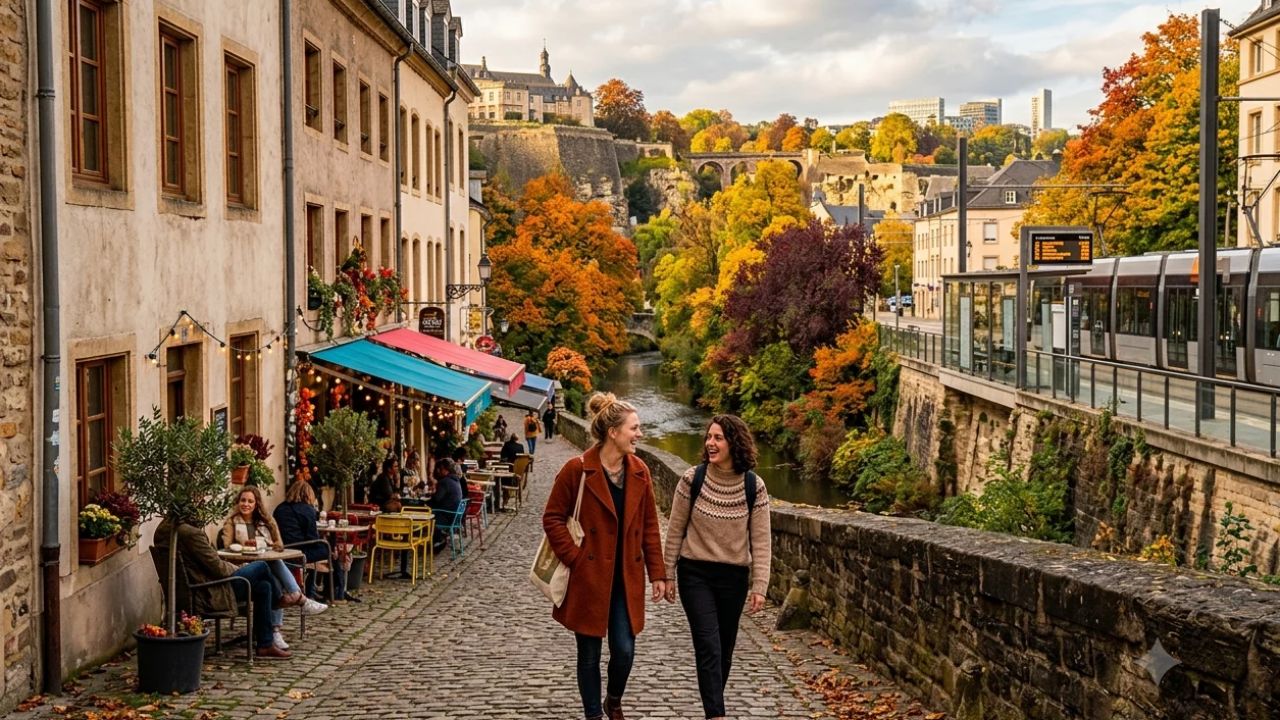
Zero-fare public transit infrastructure operating across the urban core of Luxembourg City
[LUXEMBOURG CITY, Oct 21, 2026] — Propelled by an extraordinary 19% surge in cross-border arrivals compared to pre-pandemic baselines, Luxembourg has secured the thirteenth position globally for international tourism growth in the OECD 2026 Tourism Report. Anchored by its pioneering nationwide zero-fare (€0) public transit infrastructure and a 77% year-over-year surge in travelers from the United States, the Grand Duchy has successfully decoupled from the congestion, ticketing friction, and logistical bottlenecks afflicting larger Western European capitals. While fast-growing emerging markets like Saudi Arabia (+67%), Morocco (+53%), and Egypt (+47%) led overall global expansion, Luxembourg’s performance represents the highest growth tier among mature European Union financial centers, converting over 1.6 million annual visitors into direct economic catalysts for sovereign wealth, foreign direct investment, and regional workforce expansion.
[!NOTE] Quick Summary: Key Takeaways from the OECD 2026 Tourism Report
- 13th Place Global Standing: Luxembourg ranked 13th worldwide in international visitor growth in the OECD 2026 study, posting a 19% arrival surge over 2019 pre-pandemic baselines.
- €0 Universal Transit Model: The nationwide elimination of transit fares across all domestic trains, trams, and buses provides seamless mobility for more than 1.6 million annual international visitors.
- Transatlantic & Asian Influx: Inbound arrivals from the United States leaped 77% year-on-year, while India expanded 19%, complementing double-digit gains from European neighbors such as Italy (+31%), Spain (+18%), and the United Kingdom (+13%).
- Solid Hospitality Financials: National hotels recorded a 67% peak seasonal occupancy rate, an Average Daily Rate (ADR) of €154, and a Revenue Per Available Room (RevPAR) of €98 to €115, supporting 40,421 direct hospitality jobs (+6.6% vs. 2019).
- Proactive Regional Dispersal: Countering Europe's severe tourism concentration (where 47% of overnight stays sit in the top 10% of destinations), Luxembourg drove a 21% increase in rural visitor center traffic, a 22% rise in campsite stays, and a 5% increase in historic castle admissions.
- Cross-Border Mobility: Same-day cross-border visits jumped 16%, while global short-haul flight bookings rose 6%, anchoring a projected 2% annual arrival growth baseline for future national budget cycles.
When international travelers alight at the central rail station in Luxembourg City, the immediate absence of turnstiles, ticket queues, and fare gates signals an operational environment unlike any other in Europe. What began in 2020 as a pioneering social policy—making all domestic public transport entirely free—has evolved into one of the most effective destination marketing and talent attraction engines in the Western hemisphere.
The publication of the Organisation for Economic Co-operation and Development (OECD) 2026 Tourism Trends and Policies report confirms that this hyper-accessible model is delivering compounding economic returns. Luxembourg placed 13th globally in international tourism growth, recording a 19% increase in foreign arrivals compared to 2019 pre-pandemic figures.
The empirical findings underscore that modern travelers, global investors, and mobile professionals evaluate destinations not through abstract macroeconomic indexes, but through direct everyday touchpoints: terminal transit efficiency, seamless urban connectivity, culinary standards, and personal safety. By eliminating navigational friction for over 1.6 million annual international guests, Luxembourg has turned temporary leisure travel into an introductory gateway for long-term commercial engagement.
Global Benchmark: Spatial Realignment in the OECD 2026 Tourism Rankings
The OECD 2026 study highlights a profound realignment in global leisure mobility. Emerging destinations outside Europe’s traditional mass-tourism belt captured massive market share by capitalizing on streamlined visa frameworks, extensive terminal infrastructure investments, and aggressive promotional campaigns.
| Global Destination / Market | Baseline Comparison (vs. 2019) | OECD 2026 Arrival Growth Rate | Primary Strategic Drivers |
|---|---|---|---|
| Saudi Arabia | 2019 Pre-Pandemic Baseline | +67% Growth | Vision 2030 giga-projects, eVisa expansion, Red Sea openings |
| Morocco | 2019 Pre-Pandemic Baseline | +53% Growth | Budget carrier expansion, cultural restoration, Atlantic gateways |
| Egypt | 2019 Pre-Pandemic Baseline | +47% Growth | Grand Egyptian Museum opening, Nile cruise fleet additions |
| Luxembourg | 2019 Pre-Pandemic Baseline | +19% Growth (13th Globally) | €0 Universal transit, corporate MICE, and regional dispersal |
While Saudi Arabia (+67%), Morocco (+53%), and Egypt (+47%) established new post-pandemic volume records across the Middle East and North Africa, Luxembourg stood out as the fastest-growing mature financial capital in Western Europe. Rather than relying on seasonal beach tourism, the Grand Duchy built its expansion on high-yield business travelers, cultural enthusiasts, and weekend short-break visitors.
Multimodal Mobility and the €0 Public Transit Advantage
The cornerstone of Luxembourg’s tourism success remains its zero-fare public transport system. The total elimination of fares across all domestic passenger networks allows international tourists and business executives to transfer effortlessly between heavy rail, urban tram lines, and regional electric buses without consulting tariff zones, validation machines, or foreign exchange currency interfaces.
This €0 transit cost provides immediate, tangible value to inbound visitors:
- Frictionless Capital Mobility: Travelers arriving at Luxembourg Airport (Findel) or the Gare de Luxembourg can hop onto the Luxtram or municipal bus fleets immediately upon stepping outside, reaching the UNESCO-protected historic center (Ville Haute) or the European Union institutional quarter in Kirchberg within minutes.
- Effortless Rural Access: High-frequency regional trains and connecting bus networks connect the capital with the Ardennes mountains, the Mullerthal hiking trails (often called "Little Switzerland"), and the Moselle wine valley, all accessible without spending a single cent on transportation.
- Decarbonization and Congestion Relief: By removing thousands of private rental cars and taxis from historic roadways each week, the free transit network protects delicate urban heritage sites and reduces localized transport emissions.
- Seamless Cross-Border Integration: The system interfaces directly with cross-border rail connections linking Luxembourg to Metz and Strasbourg in France, Trier and Saarbrücken in Germany, and Arlon and Brussels in Belgium, ensuring smooth regional mobility for international travelers embarking on multi-country European tours.
Hospitality Industry Performance: Occupancy, Yields, and Workforce Growth
The steady rise in visitor numbers has catalyzed robust commercial performance across the national lodging and service sector. Tourism directly contributes 4.0% to overall Gross Domestic Product (GDP) across OECD member states, and in Luxembourg, this footprint translates into substantial domestic employment and revenue generation.
The national hospitality and leisure ecosystem currently supports 40,421 direct jobs, representing a 6.6% expansion compared to pre-2019 employment levels. This workforce expansion spans upper-upscale hotel operations, Michelin-starred gastronomy, corporate conference management, and multilingual cultural guiding services. Reflecting this stability, 58% of regional hotel managers express strong business optimism regarding future seasonal hiring, staff retention, and capital service investments.
| Lodging Performance Indicator | Metric Level | Industry Context & Operational Assessment |
|---|---|---|
| Average Hotel Occupancy Rate | 67% | Peak seasonal demand driven by mid-week MICE and weekend cultural breaks |
| Average Daily Rate (ADR) | €154 | Strong pricing authority across four-star and five-star properties |
| Revenue Per Available Room (RevPAR) | €98 to €115 | Outperforming average growth rates across neighboring regional markets |
| Direct Hospitality Employment | 40,421 Jobs | +6.6% increase over pre-pandemic 2019 baseline figures |
| Managerial Hiring Optimism | 58% Confident | Strong outlook for ongoing recruitment, service upgrades, and capacity |
Financial yields across the hotel sector remain exceptionally resilient. During peak travel periods, national hotel occupancy averaged 67%, while premium corporate and leisure demand supported an Average Daily Rate of €154. Consequently, Revenue Per Available Room settled within a healthy band of €98 to €115, providing commercial property developers and institutional hospitality funds with attractive investment returns.
Inbound Source Market Diversification: The Transatlantic and Asian Influx
The demographic profile of visitors entering Luxembourg demonstrates rapid globalization, marked by unprecedented demand from long-haul source markets alongside steady expansion from traditional European neighbors.
| Inbound Source Market | Year-on-Year Growth Rate | Source Market Category | Primary Traveler Motivation & Booking Behavior |
|---|---|---|---|
| United States | +77% Growth | Long-Haul Americas | High-spending heritage tours, genealogy, and luxury hotel stays |
| Italy | +31% Growth | European Short-Haul | Weekend culinary breaks, architectural tourism, and boutique lodging |
| India | +19% Growth | Long-Haul Asia-Pacific | Corporate MICE delegations, luxury multi-country European itineraries |
| Spain | +18% Growth | European Short-Haul | Extended weekend leisure visits and cross-border cultural exploration |
| United Kingdom | +13% Growth | European Non-EU | Financial business travel, historic fortresses, and museum exhibitions |
| France | +9% Growth | Direct Border Neighbour | Same-day gourmet dining, shopping excursions, and cultural events |
Leading the international expansion, arrivals from the United States experienced a stunning 77% year-over-year surge, cementing North America as the fastest-growing long-haul demographic. Concurrently, inbound travel from India rose 19%, driven by corporate business delegations, financial services symposia, and luxury multi-destination European holidaymakers.
Regional European markets also maintained steady upward momentum: Italy logged a 31% arrival increase, Spain grew by 18%, the United Kingdom expanded by 13%, and neighboring France rose by 9%. In response, high-end hotels and cultural venues are actively adapting operational protocols, integrating international digital payment solutions, and expanding multilingual concierge services to accommodate an increasingly diverse global clientele.
Countering Overtourism: The Regional Dispersal Strategy
A major structural vulnerability in global tourism is spatial over-concentration: OECD data indicates that 47% of total tourist nights across Europe remain tightly clustered within the top 10% of popular destination regions. While cities like Amsterdam, Venice, and Barcelona combat visitor overcrowding through bans, tourist taxes, and rental curbs, Luxembourg has proactively engineered a balanced regional redistribution model.
Strategic marketing and zero-fare transit routes actively guide visitors beyond the capital into rural cantons:
- Countryside Footfall Growth: Regional tourist offices outside the central urban area recorded a 21% increase in visitor center traffic, reflecting strong interest in outdoor recreation and rural heritage.
- Outdoor Hospitality Expansion: Campsites and eco-lodges recorded a 22% surge in visitor arrivals, benefiting from the growing popularity of nature-based travel in the Ardennes and the Upper Sûre Nature Park.
- Historic Castle Tourism: Admissions to medieval fortresses and heritage landmarks—including Vianden Castle, Beaufort, and Bourscheid—rose 5% nationwide.
- Cross-Border Day Trips: Same-day cross-border excursions from neighboring Germany, France, and Belgium expanded by 16%, generating significant retail and restaurant spending without straining capital city hotel capacity.
Navigating Operational Inflation and Long-Term Projections
Rising energy costs, supply-chain adjustments, and wage inflation have created operational challenges across European hospitality networks. In response, approximately 60% of regional hotel operators have implemented dynamic yield management and flexible room pricing strategies to offset elevated overhead expenses.
Despite inflationary adjustments, global consumer appetite for short-break international travel remains strong, as evidenced by a 6% growth in global short-haul flight bookings during peak seasons. Looking ahead, international aviation and tourism models project a steady 2% annual baseline growth in inbound arrivals to Luxembourg across upcoming budget cycles.
Strategic Synergy: Transforming Travelers into Talent and Venture Capital
The most profound insight from Luxembourg’s 19% tourism growth is the direct convergence of leisure mobility, executive recruitment, and foreign direct investment (FDI).
When corporate leaders, venture capitalists, technology founders, and institutional fund managers visit Luxembourg—whether for a financial summit, an EU conference, or a short weekend getaway—they experience a nation characterized by immaculate public safety, universal multilingualism, digital infrastructure, and free public transport.
This frictionless experience serves as a live demonstration of Luxembourg's quality of life and administrative efficiency. Consequently, initial tourist and business visits regularly evolve into permanent executive relocations, family migrations, and corporate headquarters registrations. By treating its transport network and public realm as an open-air showroom for international talent, Luxembourg has established a sustainable blueprint that converts visitor footfall into enduring economic prosperity.
Frequently Asked Questions (PAA)
What ranking did Luxembourg achieve in the OECD 2026 Tourism Report?
Luxembourg ranked 13th globally in international tourism growth in the OECD 2026 Tourism Report, recording a 19% increase in foreign visitor arrivals compared to the 2019 pre-pandemic baseline.
Is public transportation completely free for tourists visiting Luxembourg?
Yes. All domestic public transit across Luxembourg—including second-class travel on national railways, city trams, and regional buses—is 100% free for both residents and international tourists, requiring no tickets or fare cards.
Which international source markets grew the fastest in Luxembourg?
The United States was the fastest-growing market with a 77% year-over-year surge in visitor arrivals, followed by Italy (+31%), India (+19%), Spain (+18%), the United Kingdom (+13%), and France (+9%).
How did Luxembourg's hotel industry perform in 2026?
Luxembourg hotels achieved an average seasonal occupancy rate of 67%, an Average Daily Rate (ADR) of €154, and Revenue Per Available Room (RevPAR) between €98 and €115, supporting 40,421 direct hospitality jobs across the country.
How does Luxembourg prevent overtourism and urban overcrowding?
Luxembourg utilizes its free public transit system and targeted regional marketing to disperse visitors into countryside cantons. This approach drove a 21% increase in rural visitor center footfall, a 22% surge in campsite arrivals, and a 5% increase in castle admissions, avoiding the spatial concentration seen across other European capitals.
Related Travel Guides
This article is for informational purposes. Flight routes, passenger regulations, visa rules, and transit advisories are subject to change by airlines and aviation authorities. Readers are advised to verify schedules and travel documentation with relevant carriers and border agencies before departure.
Related Stories
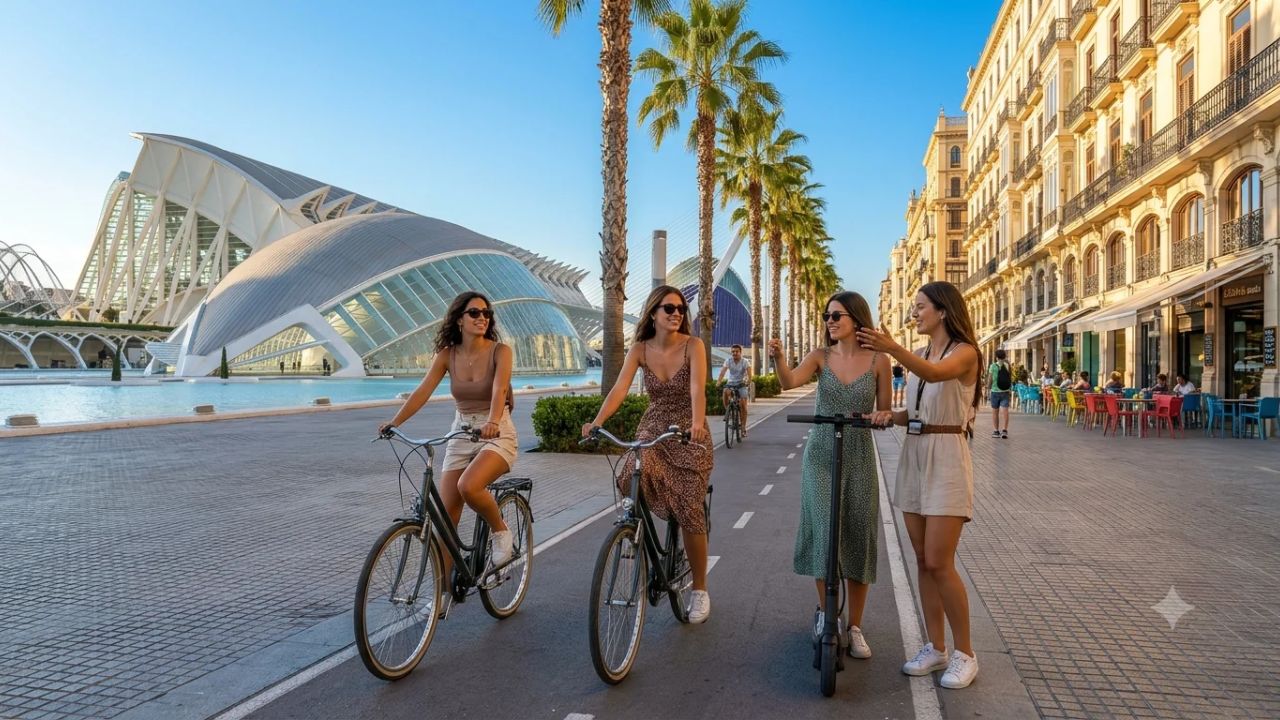
Valencia Tightens Sightseeing Rules with Ten-Person Limit on Guided Bicycle and Scooter Tours
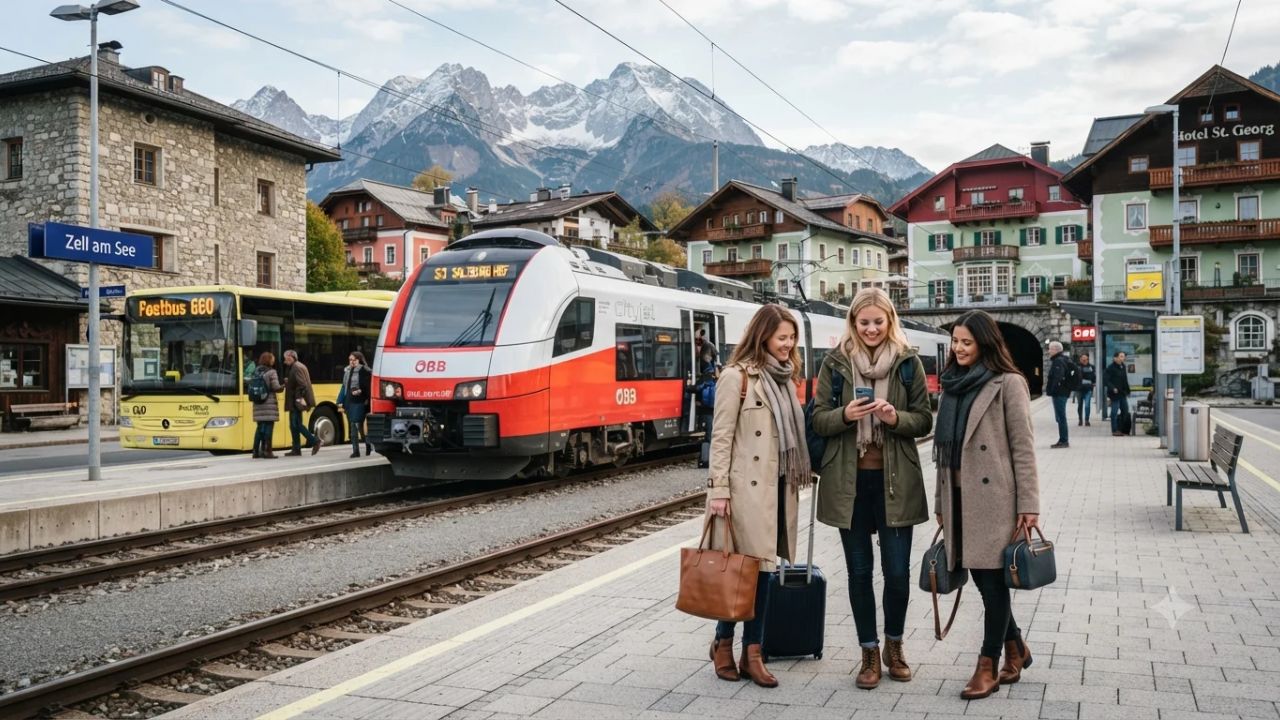
Austria Advances Car-Free Tourism Across Salzburg with Free Visitor Transit Passes, Setting Benchmarks for European Multimodal Travel Integration