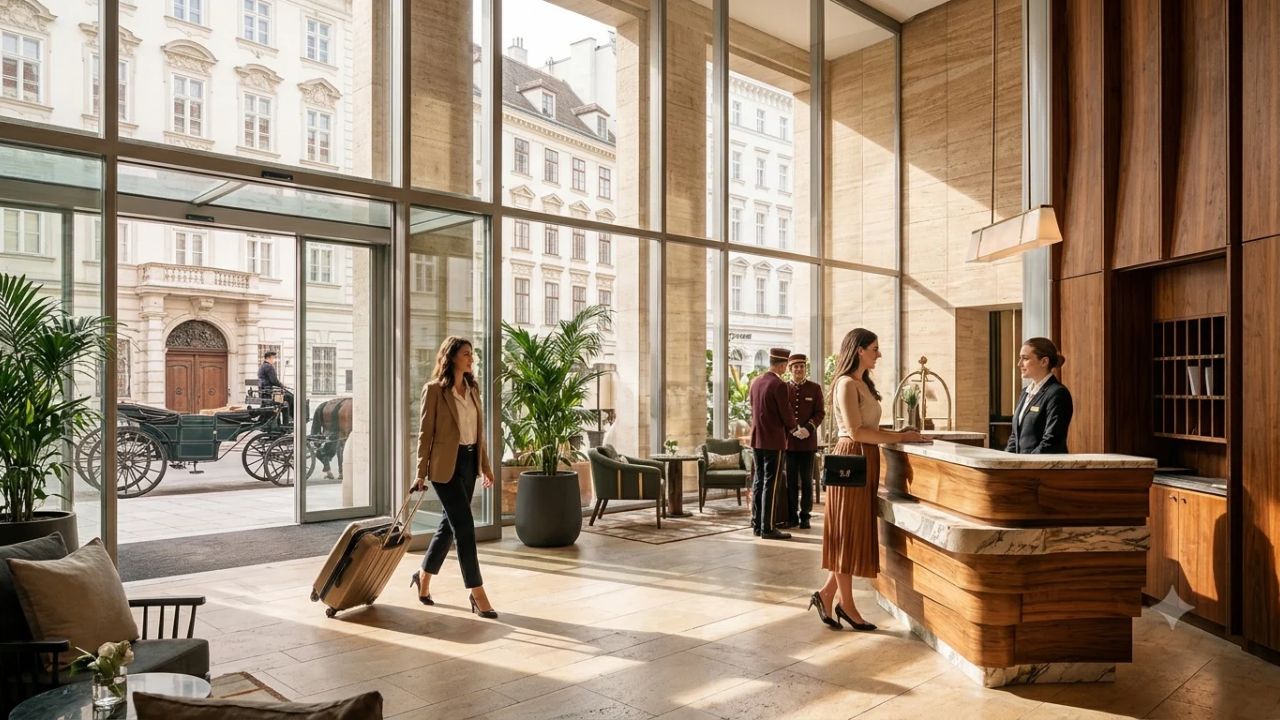
Japan Joins Indonesia And More Asian Destinations As Marriott Hotels Earn 56 Michelin Keys

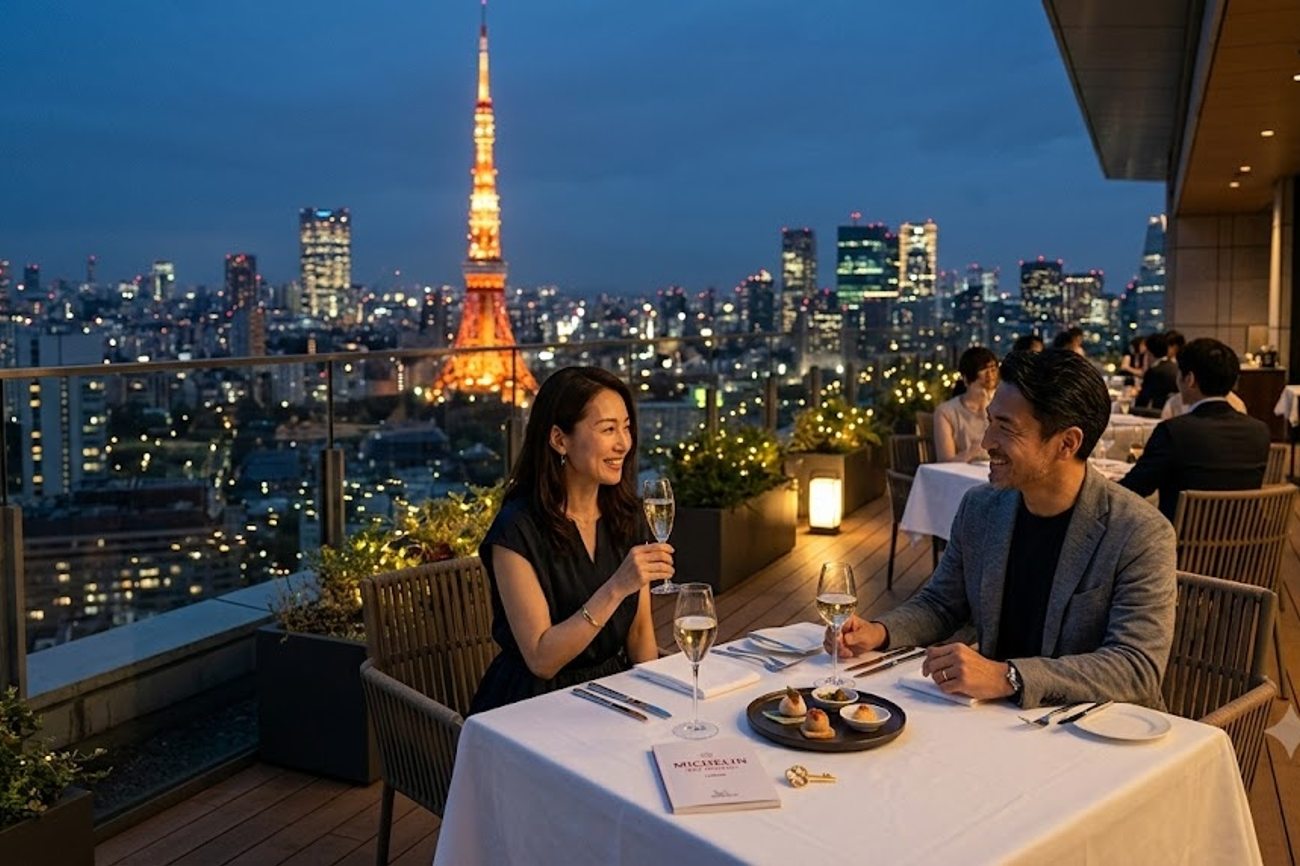
Image generated by AI
[Singapore, September 18, 2026] — Marriott International has secured 56 MICHELIN Keys across 44 different properties in the Asia Pacific region, excluding China, marking a significant expansion of the group's luxury footprint. The announcement, released as part of the 2026 MICHELIN Key Awards, designates a wide array of hotels across Japan, Indonesia, Thailand, Singapore, South Korea, India, the Maldives, and Australia as benchmarks for exceptional hospitality.
The awards are granted based on a rigorous evaluation framework managed by the MICHELIN Guide, which moves beyond traditional star-rating systems focused on amenities. Instead, the Keys prioritize architectural integrity, interior design, service quality, and the unique personality of the guest experience. The 2026 distribution sees four properties achieving the prestigious Three MICHELIN Keys status, four receiving Two MICHELIN Keys, and the remaining properties earning One MICHELIN Key.
The MICHELIN Evaluation Framework
The shift toward "Keys" represents a departure from conventional hotel classifications. While standard ratings often count the number of swimming pools or the size of a gym, the MICHELIN framework assesses the "soul" of the property. Inspectors analyze how the architecture integrates with its environment and whether the service is personalized rather than scripted.
For Marriott, this recognition spans a diverse portfolio of brands. The awards include properties under The Ritz-Carlton, Bvlgari Hotels & Resorts, The Luxury Collection, JW Marriott, St. Regis, Autograph Collection, and Design Hotels. This variety indicates that the MICHELIN Guide recognizes luxury in multiple forms—from the sleek, contemporary urbanism of a Bvlgari property to the heritage-focused atmosphere of a Luxury Collection hotel.
Regional Distribution and Market Impact
The impact of these awards is most visible in the Japanese and Southeast Asian markets, where luxury tourism is seeing a resurgence of high-net-worth international arrivals.
Japan: The Epicenter of Luxury Japan dominates the high-tier recognitions, reflecting the country's global reputation for omotenashi (wholehearted hospitality). The Bvlgari Hotel Tokyo and HOTEL THE MITSUI KYOTO (a Luxury Collection Hotel and Spa) both earned Three MICHELIN Keys. This creates a strategic luxury corridor for travelers moving between the hyper-modernity of Tokyo and the traditional heritage of Kyoto. Other recognized Japanese sites include:
- JW Marriott Hotel Nara
- Shisui, a Luxury Collection Hotel, Nara
- Suiran, a Luxury Collection Hotel, Kyoto
- The Ritz-Carlton (Kyoto, Osaka, Tokyo, and Nikko)
Southeast Asia: Resort Dominance In Indonesia and Thailand, the focus shifts from urban luxury to destination-integrated resorts. Mandapa, a Ritz-Carlton Reserve in Bali, achieved Three MICHELIN Keys, while the Bvlgari Resort Bali secured Two MICHELIN Keys. These accolades reinforce Bali's position as a primary global hub for wellness and nature-centric luxury. In Thailand, the recognition extends to Phulay Bay (a Ritz-Carlton Reserve), which also earned Three MICHELIN Keys, alongside The Naka Island (a Luxury Collection Resort & Spa, Phuket) and The Slate (a Member of Design Hotels).
| MICHELIN Key Category | Number of Hotels | Travel Significance |
|---|---|---|
| Three MICHELIN Keys | 4 | Exceptional, world-class hospitality experiences |
| Two MICHELIN Keys | 4 | High level of distinction and quality |
| One MICHELIN Key | 36 | Recognized for distinctive and quality traits |
| Total | 44 | Asia Pacific (Excl. China) |
Practical Traveler Advisory and Strategic Insights
For the average traveler, the introduction of MICHELIN Keys provides a curated filter for booking high-end accommodation. However, the "Key" system does not function as a universal recommendation for every demographic.
Booking Strategy Travelers should view these awards as a guarantee of design and service quality rather than a guarantee of personal fit. A Three-Key hotel in Tokyo may be perfect for a corporate executive seeking discretion and efficiency, but a One-Key boutique hotel in Nara might be more suitable for a couple seeking an intimate, cultural immersion.
Price and Availability Historically, MICHELIN recognition leads to an increase in demand and a subsequent tightening of availability. Travelers planning trips to the recognized properties—particularly the "Three Key" sites like Mandapa or Bvlgari Hotel Tokyo—should expect higher occupancy rates and should book well in advance.
Evaluating the Experience The MICHELIN Guide emphasizes the "complete hospitality experience." For someone booking a stay, this means the value is found in the atmosphere and the "personality" of the hotel. If you are booking via Marriott Bonvoy, these properties are now flagged as elite-tier options that prioritize aesthetic and service over mere facility counts.
The Future of Luxury Hospitality in APAC
The 2026 awards signal a broader trend in the Asia Pacific region: the move toward "identity-driven" luxury. Guests are no longer satisfied with standardized luxury; they want hotels that reflect the local geography and culture.
Marriott's success in gaining 56 Keys suggests a strategic pivot toward diversifying its brand offerings. By utilizing the Design Hotels and Autograph Collection brands alongside the traditional Ritz-Carlton model, Marriott is capturing different segments of the luxury market—from the avant-garde traveler to the traditionalist.
Looking forward, the competition between global chains and independent luxury boutiques in Asia is expected to intensify. As the World Tourism Organization (UNWTO) continues to track the recovery and growth of luxury travel in Asia, the MICHELIN Key will likely become a primary tool for destination marketing, influencing where high-spending tourists choose to land.
FAQ: MICHELIN Key Awards 2026
What is the difference between a MICHELIN Key and a hotel star rating? Star ratings typically measure facilities (e.g., gym, pool, room size). MICHELIN Keys measure the quality of the experience, focusing on design, service, and the unique character of the property.
Which Marriott hotels earned the highest honor in 2026? Four properties received Three MICHELIN Keys: Bvlgari Hotel Tokyo, HOTEL THE MITSUI KYOTO, Mandapa (a Ritz-Carlton Reserve), and Phulay Bay (a Ritz-Carlton Reserve).
Does a Three-Key rating mean the hotel is the most expensive? Not necessarily. While Three-Key hotels are often premium, the rating is based on the quality of the experience and design, not the price point.
Are these awards available for hotels in China? No. This specific announcement covers the Asia Pacific region excluding China.
Luxury is no longer about what a hotel has, but how it makes the guest feel.
Related Travel Guides
This article is for informational purposes. Flight routes, passenger regulations, visa rules, and transit advisories are subject to change by airlines and aviation authorities. Readers are advised to verify schedules and travel documentation with relevant carriers and border agencies before departure.
Related Stories
Kyoto Hotel Rates Climb as Occupancy Slips: How Japan's New Tiered Accommodation Tax and Regional Shifts Impact Travel Budgets
EU Probes Booking.com Under Digital Services Act Over Fake Hotel Listings, Hijacked Reservations, and Search Ranking Transparency