Europe Builds Smarter Travel Corridors as France and More Countries Deploy Real-Time Safety Technology

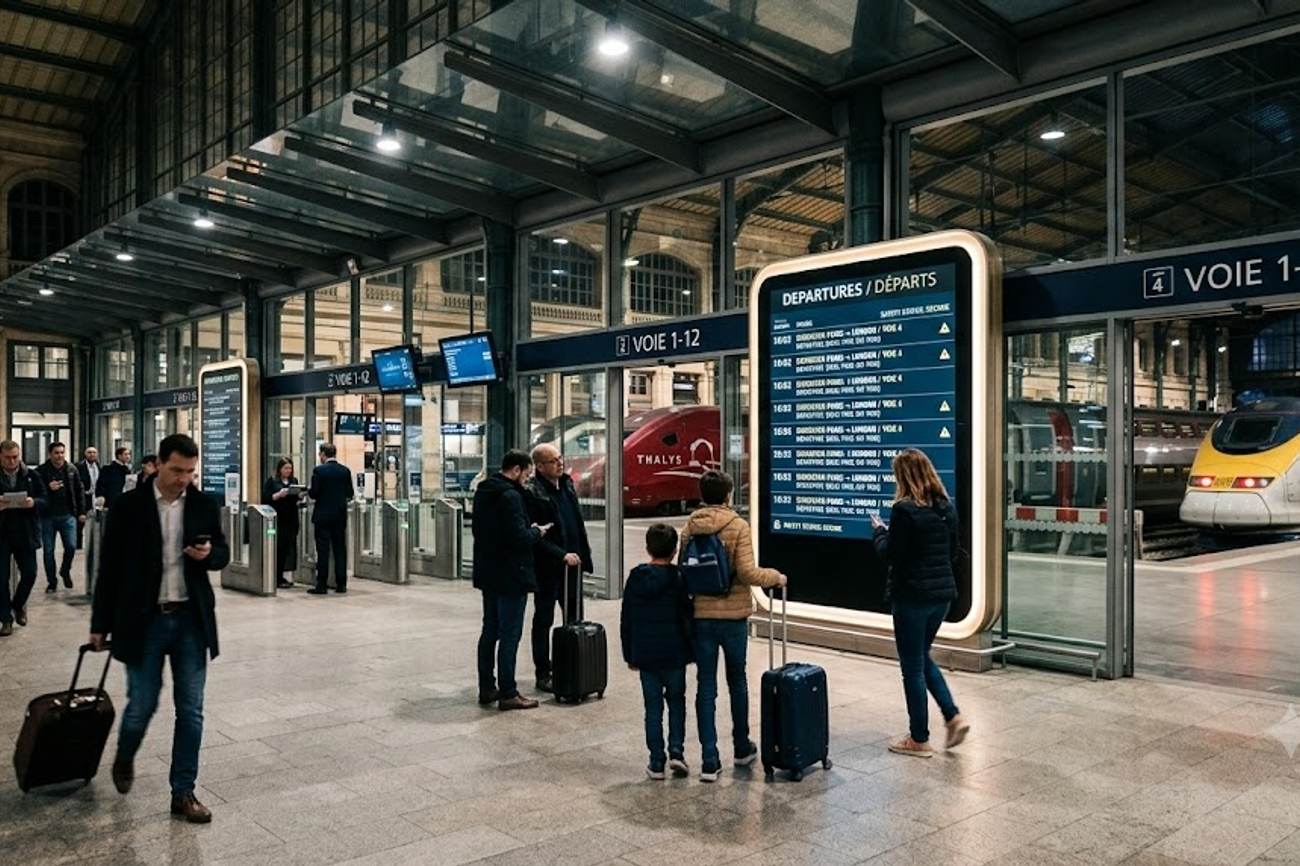
Image generated by AI
Are you planning a multi-city trip through Europe in 2025 or 2026? You need to prepare for a fundamental shift in how you enter the Schengen Area and how you navigate urban centers. The era of the ink passport stamp is ending, replaced by a sophisticated biometric regime and real-time security data that changes how you should plan your layovers and city movements.
The Transition to Digital Border Architecture
The European Union is currently executing the most significant overhaul of its external perimeter in history. For the frequent traveler, this means the transition from manual administrative processing to a fully integrated digital security framework. The primary objective is to replace the traditional passport stamp with a biometric record that tracks entry and exit with mathematical precision.
This shift is governed by two primary systems: the Entry/Exit System (EES) and the European Travel Information and Authorisation System (ETIAS). While the EES handles the physical act of crossing the border via biometrics, ETIAS serves as a pre-travel screening mechanism for visa-exempt travelers. This architecture is designed to eliminate the "geographic bluntness" of traditional travel warnings by using precise data to manage visitor flows and security.
The operational backbone of this system is managed by eu-LISA, the agency responsible for the large-scale IT systems that ensure your biometric data is synchronized across all 29 Schengen states.
Route and Schedule Details
The rollout of these systems is not instantaneous but follows a strict regulatory timeline. Travelers must align their trip dates with these deployment phases to avoid unexpected delays at the border.
| Transition Phase | Regulatory Mechanism | Core Architecture | Implementation Date | Status |
|---|---|---|---|---|
| Physical Inception | Reg (EU) 2017/2226 & 2025/1534 | Biometric Kiosks & E-gates | 12 October 2025 | Progressive Launch |
| Full Deployment | eu-LISA Central IT | 4-Fingerprint & Facial Scans | 10 April 2026 | Mandatory All Points |
| Pre-Travel Screening | Reg (EU) 2018/1240 & 2018/1241 | SIS II & Europol Pre-clearance | Q4 2026 | Mandatory for 59 Nations |
Traveler Logistics Guide
Navigating the new European transit landscape requires a move away from generic travel advisories toward "street-level" intelligence. Here is exactly how to handle your logistics under the new regime.
1. Managing the Biometric Entry Process When arriving at major hubs like Paris Charles de Gaulle, Frankfurt Airport, or Adolfo Suárez Madrid–Barajas, you will no longer head straight to a passport officer for a stamp. You must first utilize self-service biometric kiosks.
- The Workflow: You will provide four digital fingerprints and a high-resolution facial scan.
- Data Retention: Be aware that this biometric profile is stored for three years after your exit (or five years if an overstay is recorded).
- Time Buffer: During the progressive launch starting October 12, 2025, allow an additional 60 to 90 minutes for border processing as passengers adjust to the kiosk workflow.
2. Navigating Urban "Smart Security" Zones Traditional "Level 2" warnings from diplomatic sources often paint entire countries like France or Italy with a broad brush of caution. However, European Destination Management Organisations (DMOs) are now using real-time telemetry to isolate disruptions.
- Avoid the "Blanket Warning" Trap: If you see a general warning about civil unrest in a city like Barcelona or Paris, do not cancel your trip. Instead, use live transit APIs and mobile GPS heatmaps to identify specific block-level disruptions.
- Rerouting Strategy: Use official municipal transit apps to divert your foot traffic around temporary hotspots. This ensures you stay in secure commercial corridors while avoiding localized demonstrations.
3. Pre-Travel Authorization (ETIAS) By Q4 2026, if you are from one of the 59 visa-exempt nationalities, you cannot simply show up at the airport. You must obtain digital authorization via the ETIAS system.
- Procedure: Complete the digital application before departure. Your data is screened against SIS II and Europol lists.
- Verification: Ensure your passport is biometric-compliant; otherwise, the ETIAS link will fail, and you may be denied boarding.
4. Insurance and Disruptions The rise of parametric insurance in Europe allows for instant payouts based on data triggers (like a verified transit strike) rather than lengthy claims processes. If your route involves high-traffic hubs, consider policies that integrate with real-time transit data.
As part of the European Union's efforts to enhance travel safety, France has launched a real-time safety technology system to monitor and respond to potential threats in its travel corridors. This initiative is in line with the European Commission's guidelines on transport safety, which aim to ensure the highest level of safety for passengers and staff. By leveraging advanced technologies, France and other participating countries can quickly identify and mitigate risks, providing a safer experience for travelers.
Regional Connectivity Impact
This technological pivot fundamentally changes the relationship between the traveler and the destination. By moving from static, national-level advisories to dynamic, street-level data, the EU is attempting to protect the "micro-economies" of tourism.
Small, family-run businesses in historic quarters often suffer when a broad diplomatic warning suppresses all travel to a country, even if the unrest is limited to a single square in a capital city. The new "Smart Security" model diverts travelers away from a specific protest site and directly into a secure nearby commercial zone, maintaining the flow of commerce.
Furthermore, the integration of Schengen Area biometric data means that once you have cleared the external perimeter, movement between the 29 member states becomes more seamless, as your identity is already verified in the central eu-LISA repository. The friction is shifted to the external border to ensure the interior remains fluid.
FAQ: European Transit 2025-2026
Do I still need a physical passport stamp? No. Starting October 12, 2025, the Entry/Exit System (EES) replaces manual ink stamping with biometric registration (fingerprints and facial scans) across 29 Schengen states.
How long should my layover be during the EES rollout? I recommend adding at least 60 to 90 minutes to your standard connection time at major hubs like Frankfurt or Paris to account for biometric kiosk processing.
Will ETIAS be required for all travelers? No. It is mandatory for citizens of 59 visa-exempt nationalities starting in Q4 2026. Those requiring a traditional visa will follow different protocols.
How do I handle "Level 2" travel warnings for Europe? Ignore the monolithic national warning and seek street-level data. Use real-time transit apps to avoid specific blocks or squares where disruptions are occurring.
Precision in planning is the only way to bypass the friction of modern border security.
Tags: EES-2026, ETIAS-Schengen, eu-LISA-Biometrics, Schengen-Border-Protocol, Europe-Transit-Logistics
Related Travel Guides
This article is for informational purposes. Flight routes, passenger regulations, visa rules, and transit advisories are subject to change by airlines and aviation authorities. Readers are advised to verify schedules and travel documentation with relevant carriers and border agencies before departure.
Related Stories

Marriott Unveils 2026 Holiday and New Year Programmes Across 11 Luxury Resorts in the Americas

EU Probes Booking.com Under Digital Services Act Over Fake Hotel Listings, Hijacked Reservations, and Search Ranking Transparency