
Jammu and Kashmir Issues Urgent Flooding Warning as Flash Floods and Landslides Block Key Himalayan Tourism Routes, Urging Travelers to Postpone Mountain Travel: New Travel Alert
Heavy monsoon rains have triggered flash floods and landslides in Jammu and Kashmir, disrupting transport networks and mountain tourism plans.

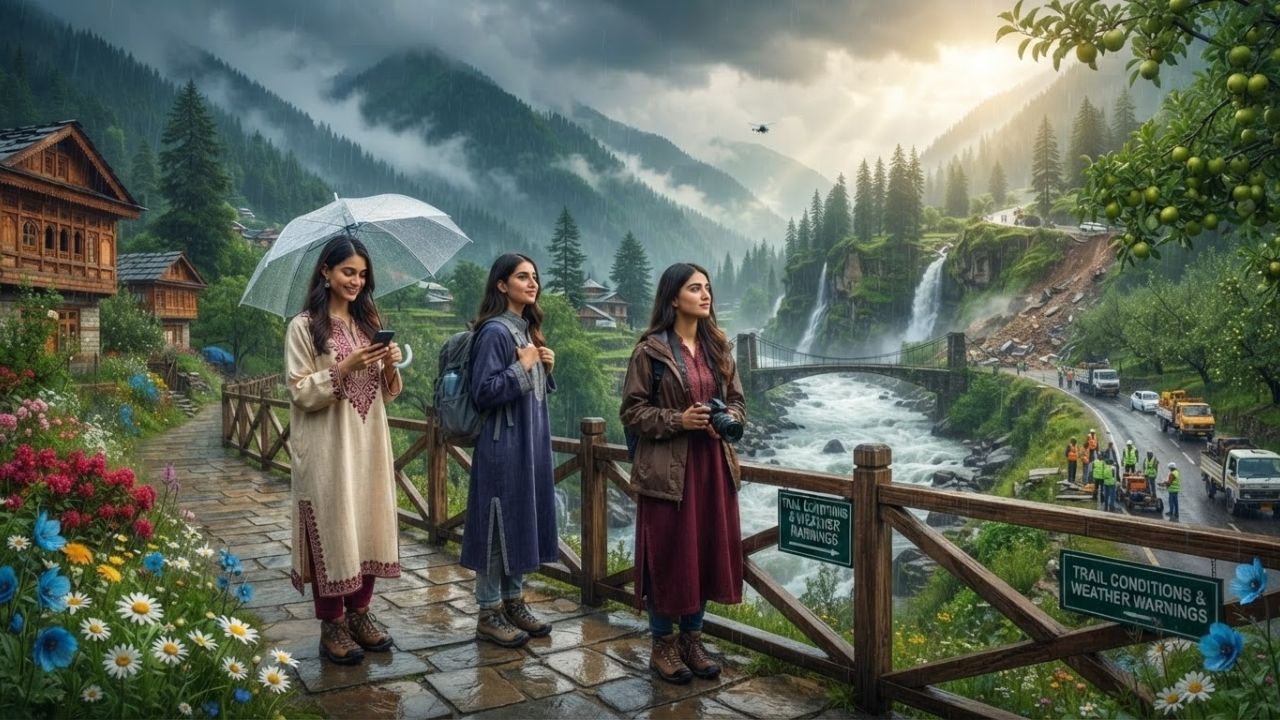
Image generated by AI
Published on July 20, 2026
The northern mountain corridors of India are facing severe weather disruptions as heavy monsoon rains impact infrastructure across the Western Himalayas. Multiple instances of flash flooding and landslides have hit local communities, triggered transport delays, and disrupted travel plans in several districts. Travelers planning excursions to mountainous areas or pilgrimage routes are urged to monitor weather reports and postpone non-essential journeys until routes are cleared.
Quick Summary
- Severe Weather: Intense monsoon downpours have triggered widespread Jammu Kashmir floods and landslides, impacting regional transport corridors.
- Casualties Reported: Multiple casualties have been confirmed in flood-affected districts, prompting immediate emergency response mobilization.
- Highway Disruptions: Landslides have blocked critical mountain access roads and pilgrimage routes, isolating several remote communities.
- Rescue Obstacles: Continuous rainfall and unstable slopes have delayed search and rescue operations in isolated areas of the Jammu division.
- Flexible Bookings: Travel coordinators recommend postponing outer-valley tours and reconfirming road statuses with local authorities before departure.
Context and Background: Seasonal Rains Trigger Jammu Kashmir Floods
The recent extreme weather events across Jammu and Kashmir have prompted disaster management units and district administrations to issue safety warnings. The region's State Disaster Management Plan identifies flash floods and landslides as major seasonal hazards that require coordinated relief efforts. Because Himalayan topography is highly sensitive to intense rainfall, storm systems can rapidly compromise road safety and isolate remote valleys.
For the regional tourism sector, which depends on a network of highways, guides, and hotels, the severe weather represents a temporary operational challenge. Popular mountain destinations are particularly vulnerable to transport delays when landslides block narrow passes. Rather than indicating a complete shutdown of tourism services, the warnings serve to guide visitor movement away from high-risk zones.
Event and Incident Details: Rescue Hindrances and Transport Infrastructure Damage
The impact of the heavy downpours is concentrated across several mountainous districts, requiring emergency intervention from multiple agencies:
| Response Agency | Emergency Operational Role |
|---|---|
| NDRF | Coordinates search, rescue, and evacuation in flood-affected areas |
| Armed Forces | Provides logistics support and helps reach isolated mountain pockets |
| J&K Police | Manages road blockades and district safety check-points |
| Civil Administration | Issues localized advisories and coordinates emergency relief centers |
Delays in Rescue Operations
Continuous rainfall has hindered rescue operations in remote parts of the Jammu division, where rising water levels make search efforts dangerous. Landslides have covered sections of highways, preventing emergency vehicles from reaching cut-off villages. Emergency control rooms are monitoring water levels in local rivers to track further risks.
Tourism Infrastructure Impact
The disruptions have directly affected popular pilgrimage corridors and adventure tourism zones, where travelers rely on mountain road access. Travel agencies are pausing high-altitude trekking departures and scenic driving tours to ensure passenger safety. Local hotels and transport operators remain open, but their services are temporarily limited by road blockades.
Risk and Impact: Landslides, Blocked Highways, and Remote Valley Isolation
Traveling through the Western Himalayas during active flood warnings creates several immediate risks:
- Sudden Landslides: Steep slopes saturated by heavy rain can fail without warning, covering highways in mud and rock debris.
- Flash Floods: Small mountain streams can overflow rapidly, damaging bridges and flooding low-lying roads.
- Rescue Delays: Saturated terrain and persistent rain limit the ability of emergency teams to reach stranded travelers quickly.
- High-Altitude Exposure: Stranded vehicles on remote passes can leave passengers exposed to cold weather and isolated from medical services.
- Business Interruptions: Road blockades prevent transport links, affecting local guides, restaurants, and hospitality providers.
What Authorities Are Saying: Disaster Management Directives and Safety Protocols
The Jammu district administration and disaster management units urge all residents and visitors to avoid unnecessary travel in affected areas. Officials state that emergency teams are working to restore essential road links and evacuate stranded communities.
Consular teams and local authorities advise travelers currently in the region to follow instructions from district monitors and avoid attempting crossings over flooded roads. They emphasize that respecting local advisories is critical to preventing additional emergencies.
Practical Traveler Advice: Safeguarding Mountain and Pilgrimage Itineraries
For tourists planning or currently executing journeys in the region, travel coordinators recommend the following precautions:
- Verify Local Road Conditions: Check with local transport desks and police check-points before starting any mountain trip.
- Postpone Non-Essential Travel: Delay plans to visit remote valleys or high-altitude passes until the weather clears.
- Monitor Official Forecasts: Track weather bulletins from the India Meteorological Department and district disaster management pages.
- Maintain Flexible Itineraries: Keep your travel schedule flexible to accommodate unexpected road closures or transport delays.
- Keep Emergency Contacts Ready: Save contact numbers for local rescue teams, police stations, and your accommodation.
Broader Context: Himalayan Geography and Climate-Resilient Tourism Planning
Jammu and Kashmir is globally recognized for its scenic landscapes, cultural heritage, and pilgrimage sites. The tourism economy supports thousands of local businesses, making steady visitor arrivals essential for regional recovery.
However, the recent Jammu Kashmir floods highlight the vulnerability of mountain infrastructure to extreme weather. Tourism developers and local governments are focusing on building climate-resilient roads, improving early warning sensors, and training community guides in disaster response. These steps aim to balance tourism growth with visitor safety during monsoon seasons.
What to Expect Next / Looking Ahead: Restoring Highway Links and Improving Forecasting
In the coming days, rescue teams and road crews will continue clearing key routes as weather conditions allow. Public works departments will inspect damaged bridges and roadways to ensure they are safe for commercial traffic.
Longer term, meteorological agencies are working to deploy advanced weather radars to improve flash flood predictions. Travel operators will continue to adjust tour packages, offering more flexible booking terms to protect travelers from weather disruptions.
Conclusion: Emphasizing Regional Integration and Travel Preparedness
The recent flash floods and landslides demonstrate the speed with which mountain weather can affect travel networks. While emergency teams continue rescue and recovery work, visitor safety depends heavily on responsible travel behavior. By keeping informed of road conditions, staying away from high-risk zones, and following official guidelines, travelers can navigate the Himalayan region safely.
FAQ: Mountain Safeties and Jammu Kashmir Floods
What caused the recent Jammu Kashmir floods and landslides?
Heavy monsoon rainfall triggered flash floods and landslides, which blocked highways and caused rising water levels in the Jammu division.
Are popular tourist sites in Jammu and Kashmir closed?
No, the region remains open, but access to specific remote valleys and mountain passes is restricted due to road blockades and safety risks.
Who is coordinating rescue operations in the flood-affected areas?
Rescue and relief efforts are being managed by the National and State Disaster Response Forces, security units, local police, and civil authorities.
What precautions should travelers take during the monsoon season?
Travelers should check road conditions, avoid high-risk mountain routes, monitor weather forecasts, and keep emergency contacts ready.
Related Travel Guides
- Spain Issues Orange Heat Warnings for Andalusia as Temperatures Surge to 40°C, Advising Travelers to Adjust Outdoor Itineraries and Sightseeing: New Travel Alert
- US Issues Level 3 Travel Warnings for Bahrain, Saudi Arabia, UAE, Kuwait, and Jordan, Alerting Travelers to Impending Flight Disruptions Across Gulf Transit Hubs: New Travel Alert
- Vanuatu Issues Alert Level 3 Warning for Ambae Volcano, Restricting Access Near Lake Voui and Forcing Tour Operators to Suspend Grand Manaro Summit Treks: New Travel Alert
Suggested SEO Metadata & Assets
- Meta Title: Jammu Kashmir Floods: Himalayan Travel Disruption 2026
- Meta Description: Learn about the recent Jammu Kashmir floods and landslides, their impact on mountain travel routes, and safety tips for visiting the region.
- URL Slug: jammu-kashmir-floods-landslides-disrupt-himalayan-tourism-2026
- Tags:
Jammu Kashmir floods,Himalayan travel safety,Kashmir landslide disruption,monsoon travel warnings,Travel Alert - Featured Image Alt Text: A winding mountain highway in Jammu and Kashmir under heavy storm clouds, showing minor runoff and rockfall on the roadside.
Disclaimer
This article is for informational and educational purposes only. It does not constitute legal, financial, or professional advice. While we strive to provide accurate and up-to-date information, travel policies, regulations, and conditions change rapidly. Always verify information with official sources before making travel decisions. Nomad Lawyer makes no representations about the accuracy, reliability, completeness, or suitability of the information provided. Readers should consult qualified professionals for advice specific to their circumstances. The views expressed in this article are those of the author and do not necessarily reflect the views of Nomad Lawyer.
Kunal K Choudhary
Co-Founder & Contributor
A passionate traveller and tech enthusiast. Kunal contributes to the vision and growth of Nomad Lawyer, bringing fresh perspectives and driving the community forward.
Learn more about our team →