Jamaica Expands Adventure Tourism via Blue and John Crow Maroon Trails

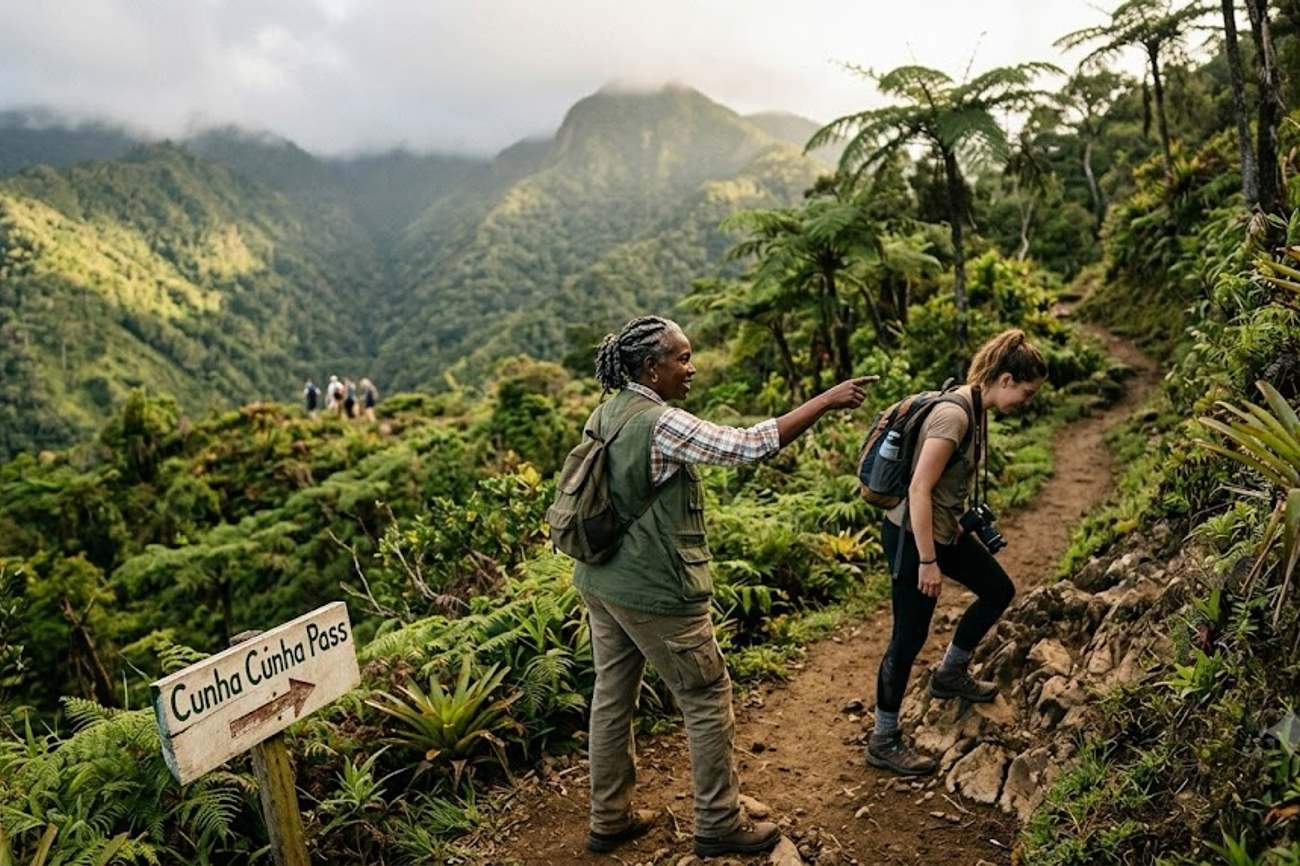
Image generated by AI
Jamaica is aggressively expanding its inland tourism offerings, moving beyond the traditional Blue Mountain Peak sunrise trek to integrate the broader Blue and John Crow Mountains UNESCO World Heritage Site into its official travel itineraries. This 100,000-acre expanse of tropical montane rainforest now serves as a hub for "living heritage" tourism, combining cloud forest ecology with the history of the Maroon communities.
The strategic shift focuses on the eastern region of the island, specifically linking the parishes of St Thomas and Portland through a network of mapped cultural trails.
Key Facts Breakdown
- Protected Area: Approximately 100,000 acres of tropical montane rainforest (UNESCO World Heritage Site).
- Primary New Route: Cunha Cunha Pass, an 8-kilometer trail forming part of the Nanny Town Heritage Route.
- Mapped Cultural Trails: Cunha Cunha Pass, Nanny Falls, Morant Bay, and Woman’s Town.
- Key Heritage Hubs: Moore Town (located in the UNESCO buffer zone) and Charles Town.
- Endemic Wildlife Highlights: The Jamaican swallowtail butterfly (Papilio homerus), the largest in the Western Hemisphere, and various endemic bird species.
- Cultural Markers: Integration of the Kromanti Play (ceremonial drumming) and the use of the abeng (cow horn communication instrument).
Route and Site Specifications
| Feature | Detail | Significance |
|---|---|---|
| Cunha Cunha Pass | 8 Kilometers | Historic Maroon route between St Thomas and Portland |
| Moore Town | Buffer Zone | Center for storytelling, music, and traditional knowledge |
| Flora/Fauna | Cloud Forest | High-elevation habitats with endemic species |
| Regional Access | Port Antonio | Gateway for combining rainforest trekking with coastal visits |
Why This Matters
From a logistical and market perspective, this development signals a move toward high-value, low-impact tourism. By diverting traffic from the overcrowded Blue Mountain Peak to the John Crow Ridge and Maroon communities, Jamaica is reducing "over-tourism" at a single point and distributing economic benefits to rural eastern communities.
For the traveler, the real impact is the transition from "sightseeing" to "experiential travel." The integration of the Kromanti Play and the abeng traditions means the mountains are no longer treated as a wilderness destination, but as a cultural landscape. Our analysis suggests this will attract a more affluent, eco-conscious demographic—specifically birdwatchers and history enthusiasts—who typically spend more per capita than the average all-inclusive resort guest.
Industry Outlook
Expect an increase in specialized "Eastern Jamaica" tour packages. The proximity of these trails to Port Antonio suggests a new itinerary model: combining luxury coastal stays with rugged, guided interior treks. As the Forestry Department continues to map these cultural trails, we anticipate a rise in certified community-led guiding services in Moore Town and Charles Town, further formalizing the "living heritage" economy.
Internal Link Suggestions:
- Guide to Jamaica's UNESCO World Heritage Sites
- Sustainable Trekking Trends in the Caribbean
- Developing Community-Based Tourism in Rural Jamaica
Related Travel Guides
This article is for informational purposes. Flight routes, passenger regulations, visa rules, and transit advisories are subject to change by airlines and aviation authorities. Readers are advised to verify schedules and travel documentation with relevant carriers and border agencies before departure.
Related Stories

European Mass Protests Disrupt Travel Across France, Italy, Belgium, and Turkey in 2026

Aeroméxico and Delta Expand US Network with 42 Weekly Flights to California, Florida and Oregon in 2027