
Jamaica Cruise Tourism Surges as Over Seven Hundred Thousand Passengers Arrive During First Seven Months of 2026
Jamaica welcomes 736,372 cruise passengers across 234 ship calls in 2026, expanding maritime tourism into Kingston, Port Antonio, and historic Falmouth.

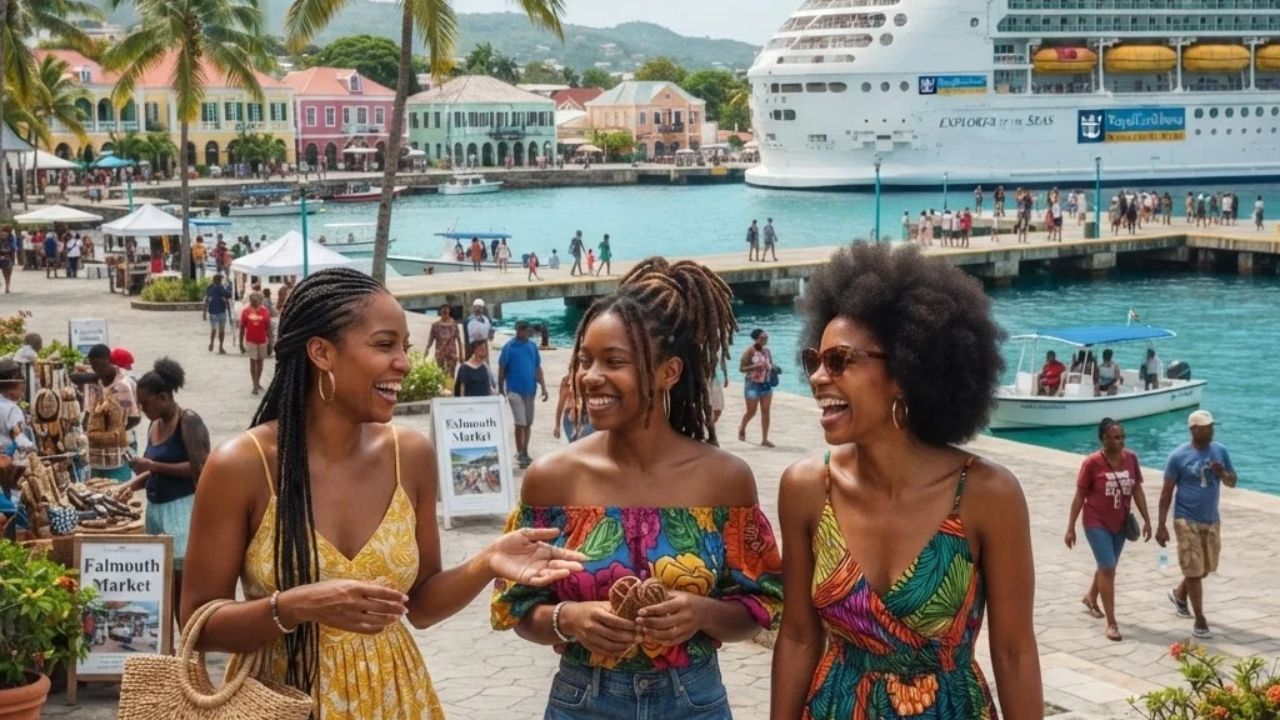
Image Source Jamaica Tourism
While mass Caribbean cruise tourism often traps travelers inside gated retail compounds, Jamaica is actively redirecting passenger streams into colonial harbor quarters, urban music capitals, and misty mountain rainforests. Between January and July 2026, Jamaica welcomed an impressive 736,372 cruise passengers across 234 ship calls, confirming its status as one of the region’s premier maritime crossroads. Yet the most telling evolution in these figures is not sheer arrival volume, but the strategic decision to guide voyagers toward authentic cultural frontiers, highlighted by four cruise ship visits to the emerging ports of Kingston and Port Antonio during the opening seven months of the year. This steady influx of sea arrivals underpins a broader national economic recovery that generated around US$2.5 billion in tourism revenue from approximately 2.3 million total visitors between January and August 2026.
The Decentralized Voyage: Beyond the Traditional Resort Enclaves
For decades, the standard Jamaican cruise itinerary was confined to a predictable northern arc. Montego Bay, Falmouth, and Ocho Rios absorbed the overwhelming majority of ship traffic, relying on established deep-water piers, resort facilities, and rapid transit to iconic excursion sites. While these traditional gateways continue to anchor high-capacity tourism, the Port Authority of Jamaica and the national tourism board at Visit Jamaica are executing a deliberate policy to decentralize cruise footfall and broaden the island's economic impact.
The expansion of cruise calls to Kingston and Port Antonio represents a calculated departure from passive sun-and-sand holidays. Kingston, the island's beating cultural heart, offers cruise visitors a direct immersion into urban musical history, from the Bob Marley Museum and Trench Town Culture Yard to the National Gallery and the historic pirate citadel of Port Royal across the harbor. To the east, Port Antonio in Portland parish provides a tranquil retreat defined by dense tropical vegetation, secluded coves, and the legendary bamboo rafts of the Rio Grande.
At the same time, Jamaica's traditional ports are preparing for major fleet enhancements. Historic Falmouth is scheduled to welcome the brand-new Disney Destiny starting October 13, 2026, delivering nearly 2,800 passengers on family-centric Caribbean sailings. This landmark arrival joins an elite lineup of global operators maintaining robust scheduled calls across Jamaican ports, including Norwegian Cruise Line, MSC Cruises, Royal Caribbean, Carnival Cruise Line, Princess Cruises, and Virgin Voyages.
What Makes Jamaica's Cruise Ports Different
Each Jamaican port possesses a distinctive geographical character and cultural rhythm that sets it apart from typical Caribbean cruise terminals. Understanding these distinct traits enables travelers to select the exact port experience that matches their personal travel style:
- Historic Falmouth: Established in 1769, Falmouth features the finest collection of intact 18th-century Georgian architecture in the Caribbean. Unlike modern concrete terminals, disembarking here places travelers within walking distance of heritage churches, open-air trading squares, and the tranquil waters of the Martha Brae River.
- Ocho Rios: Known locally as "Ochee," this port sits at the base of lush limestone hills where fresh mountain rivers tumble directly into the Caribbean Sea. It serves as the primary gateway for cascading natural waterfalls, zipline canopy tours, and coastal garden trails.
- Montego Bay: The island’s second city combines deep-water commercial harbor efficiency with easy access to the protected reefs of the Montego Bay Marine Park, historic plantation estates like Rose Hall, and the vibrant music venues of the Gloucester Avenue Hip Strip.
- Kingston Harbour: Ranked as the seventh-largest natural harbor in the world, the capital's maritime approach offers dramatic views of the Blue and John Crow Mountains, inscribed on the UNESCO World Heritage Centre register for their unmatched biodiversity and Maroon heritage.
- Port Antonio: Nestled between dramatic headlands and turquoise lagoons, Port Antonio's Errol Flynn Marina evokes the golden age of Caribbean travel, surrounded by unspoiled tropical flora rather than towering resort towers.
Visitor Insider Tips
Maximizing your shore day in Jamaica requires insider logistics that bypass commercial crowds and connect you with authentic island life.
- Beating Excursion Crowds: When large ships dock at Ocho Rios or Falmouth, the vast majority of passengers depart on organized group buses for Dunn's River Falls between 9:00 AM and 10:30 AM, creating severe trail congestion. To experience refreshing waters without throngs, disembark early at 8:00 AM and hire a licensed private guide to Reach Falls in Portland or the Blue Hole above Ocho Rios, where pristine river pools remain quiet until midday.
- Ground Transport and Local Logistics: Only travel in authorized taxis displaying red "PPV" (Public Passenger Vehicle) license plates, or book directly through certified JUTA operators. If docking in Falmouth and heading toward the inland cockpit hills, negotiate your day rate upfront before stepping into the vehicle. For those arriving in Kingston, skip crowded tour buses and arrange a private walking tour through downtown's vibrant mural district along Water Lane.
- Etiquette and Street Market Savvy: Politeness is deeply ingrained in Jamaican social customs. Always greet vendors, drivers, and shopkeepers with a respectful "Good morning" or "Good afternoon" before asking questions or discussing prices. In craft markets like those in Ocho Rios or Harbour Street in Montego Bay, cheerful bargaining is standard practice, but remember that sales support local households; negotiate fairly and respectfully. Always request permission before taking portraits of craft artisans.
- Authentic Culinary Stops: Avoid Western fast-food outlets within the port zones. Head instead to local roadside stands to sample genuine jerk chicken and pork slow-cooked over green pimento wood, served alongside sweet fried festivals and spicy scotch bonnet pepper sauce. Stop at a local bakery for flaky Jamaican beef patties, or sip fresh coconut water cracked open before your eyes by roadside fruit sellers.
Cultural and Environmental Context
The surge in cruise arrivals plays a decisive role in Jamaica’s grassroots economic structure. Unlike all-inclusive resort enclaves where visitor spending frequently remains enclosed within corporate properties, cruise travel distributes capital directly into local communities. When 736,372 passengers disembark across 234 ship calls, the economic ripple reaches taxi associations, family-owned roadside eateries, fruit vendors, certified natural history guides, and independent craft carvers.
This economic dispersion is particularly vital for developing ports like Kingston and Port Antonio. By steering cruise guests away from over-saturated beach zones and into urban historic districts and rural farming communities, tourism revenue helps finance the preservation of historical colonial buildings, funds community arts programs, and creates sustainable employment for younger generations.
Environmental stewardship remains central to this maritime strategy. Managing thousands of daily visitors requires vigilant protection of fragile marine biomes, delicate coral formations, and freshwater river basins. Jamaica's evolving cruise model emphasizes strict port environmental compliance, graywater restrictions, and visitor caps at sensitive natural monuments, demonstrating that high-volume cruise tourism can co-exist with long-term ecological preservation.
FAQ: Visiting Jamaica 2026
What is the best time of year to take a cruise to Jamaica? December through April offers ideal conditions, featuring warm sunshine, calm Caribbean waters, and low rainfall, while November and May provide pleasant shoulder-season travel with lighter port foot traffic.
Do cruise passengers need a visa to disembark in Jamaica? Transit cruise passengers staying less than 24 hours do not require an entry visa, provided they hold a valid national passport and arrive on an officially cleared vessel manifest.
Which Jamaican port offers the best cultural experiences? Kingston provides exceptional cultural immersion through its legendary reggae landmarks, National Gallery, and historic Port Royal, while Falmouth preserves the finest 18th-century Georgian architecture in the Caribbean.
Is it safe to explore Jamaican ports independently? Yes, stick to established tourism zones, travel with licensed red-plate JUTA taxis, avoid displaying expensive jewelry, and practice standard personal awareness when navigating busy town centers.
Beyond the resort gates and gangways, Jamaica’s true magic beats to an unmistakable rhythm found in its mountain mist, historic streets, and warm community spirit.
Related Travel Guides
Disclaimer
This article is for informational and educational purposes only. It does not constitute legal, financial, or professional advice. While we strive to provide accurate and up-to-date information, travel policies, regulations, and conditions change rapidly. Always verify information with official sources before making travel decisions. Nomad Lawyer makes no representations about the accuracy, reliability, completeness, or suitability of the information provided. Readers should consult qualified professionals for advice specific to their circumstances. The views expressed in this article are those of the author and do not necessarily reflect the views of Nomad Lawyer.
Preeti Gunjan
Contributor & Community Manager
A passionate traveller and community builder. Preeti helps grow the Nomad Lawyer community, fostering engagement and bringing the reader experience to life.
Learn more about our team →