Jaipur Luxury Tourism Gets Major Boost As Fine Acers’ Wyndham Grand Resort Becomes India’s First RERA Registered Resort


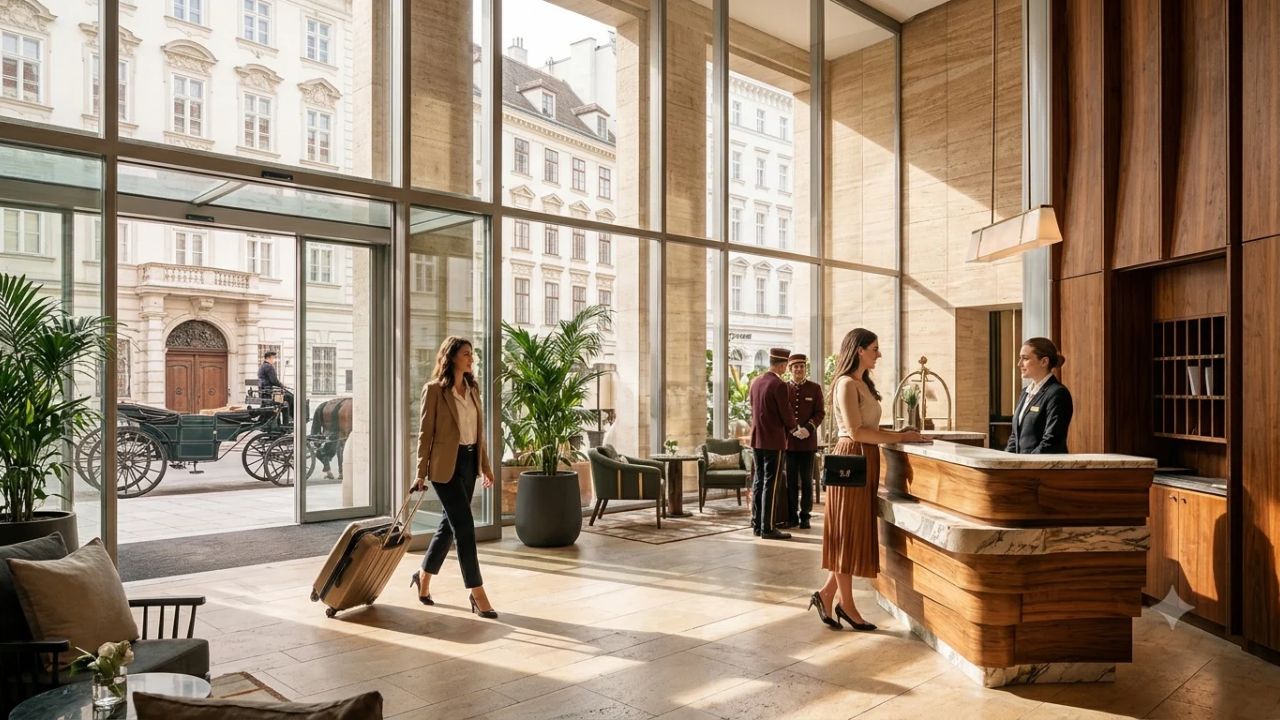
Image generated by AI
title: "The Institutionalization of Branded Residences: Analyzing the Wyndham Grand Jaipur RERA Milestone" date: 2026-08-20 category: Hospitality Investment author: "Naina Thakur" The Indian luxury hospitality sector has seen a marked shift toward institutional transparency, evidenced by the Wyndham Grand Jaipur Amer Spa, Resort & Branded Residences becoming the first resort development in India to secure RERA registration. This transition from unregulated private leisure developments to RERA-compliant assets signals a professionalization of the "branded residence" model, moving it from a niche luxury offering to a regulated investment vehicle.
The Branded Residence Model in Numbers
The Wyndham Grand Jaipur Amer project serves as a primary data point for the scaling of branded residential ownership in Rajasthan. Spanning 10.5 acres, the development is structured around 278 keys. This inventory is not monolithic; it is segmented into studio units, one-bedroom residences, two-bedroom residences, and presidential suites. The scale of this project indicates a strategic bet on the high-yield destination wedding and MICE (Meetings, Incentives, Conferences, and Exhibitions) segments, which have historically driven occupancy spikes in the Jaipur corridor.
The financial trajectory of the developer, Fine Acers, underscores the aggressive growth of this model. By expanding its operational footprint with new offices in Ahmedabad and Delhi-NCR in August 2026, and maintaining a strategic hub in London to capture Non-Resident Indian (NRI) capital, the firm is diversifying its funding sources. This geographic expansion is projected to drive an additional INR 125 crore in revenue over the coming year.
This growth is further bolstered by the introduction of Dolce Hotels & Resorts to the Indian market in February 2026. By leveraging the global distribution systems of Wyndham Hotels & Resorts, these properties are positioned to capture a larger share of the international luxury traveler market, which according to UN Tourism, is increasingly seeking integrated wellness and leisure experiences in emerging markets.
Comparative Market Context: Branded vs. Traditional Luxury
The shift toward the "sale-and-leaseback" structure represents a departure from traditional hotel ownership. In a standard luxury hotel model, a single entity or REIT typically owns the asset and manages the operations. In the Fine Acers model, the ownership is fragmented among individual investors who lease the asset back to the professional operator.
This model reduces the capital expenditure (CapEx) burden on the developer while providing the investor with a hybrid asset: real estate equity combined with hospitality-grade management. When compared to traditional residential luxury apartments in Jaipur, branded residences typically command a premium in both entry price and resale value due to the associated brand equity and service standards.
| Metric | Traditional Luxury Hotel | Fine Acers Branded Residence Model |
|---|---|---|
| Ownership Structure | Single Corporate/Institutional | Fragmented Individual Ownership |
| Regulatory Status | Standard Commercial | First RERA-Registered Resort (Jaipur) |
| Revenue Stream | Room Revenue / F&B | Leaseback Income / Asset Appreciation |
| Target Demographic | Transient Travelers | Investors + High-Net-Worth Travelers |
| Management | Brand-Managed | Professionally Managed (Wyndham) |
The regional expansion strategy is also notable. While traditional luxury growth was concentrated in "Golden Triangle" cities (Delhi, Agra, Jaipur), Fine Acers is pushing into secondary and tertiary leisure markets. The current pipeline includes Pushkar, Goa, Udaipur, Jawai, Coorg, and Sakleshpur. This indicates a broader trend where luxury demand is decentralizing from metro hubs toward "experience-led" rural and coastal destinations. Data from STR suggests that such secondary markets often exhibit higher growth rates in Average Daily Rate (ADR) as travelers seek seclusion over urban luxury.
Practical Traveler Advisory and Strategic Insights
For the individual traveler, the institutionalization of these resorts translates to a higher baseline of quality control and reliability. The RERA approval for the Wyndham Grand Jaipur Amer means that the project's timelines, specifications, and financial disclosures are legally mandated, reducing the risk of "under-delivery" often seen in independent luxury resorts.
If you are planning a luxury stay or considering a destination wedding in the Jaipur/Amer region for 2026 or 2027, the addition of 278 high-end keys will increase the available inventory for large-scale events. However, because these are branded residences, the service level is expected to align with international Wyndham Grand standards rather than the varying quality of local boutique heritage hotels.
For those looking at "investment-travel"—where a traveler buys into a residence to secure future stays—the sale-and-leaseback model offers a structured entry point. Travelers should note that the focus on MICE and destination weddings means that peak periods (October to March) will likely see extreme demand. Booking windows for these specific types of branded resorts are expanding; securing dates 6-9 months in advance is becoming the norm for high-capacity luxury venues in Rajasthan.
Forward Projection: The Institutionalization of Leisure
The trajectory of the Indian hospitality market is moving toward a "hybridization" of real estate and tourism. The success of the RERA-registered model in Jaipur will likely trigger a domino effect across other luxury developers in India. We can expect a surge in branded residential projects in Goa and Kerala, as developers seek to attract NRI investment through the London and Dubai corridors.
Furthermore, the integration of Dolce Hotels & Resorts suggests a strategic pivot toward the corporate-leisure "bleisure" market. By combining large-scale banquet spaces with luxury residential units, developers are creating assets that can pivot between high-volume corporate events during the week and high-margin leisure stays on weekends.
As the market matures, the key performance indicator (KPI) for these assets will shift from simple occupancy rates to "Asset Yield per Key," factoring in both the leaseback returns to owners and the operational profit for the brand. With the IATA reporting a steady increase in international arrivals to South Asia, the timing of these expansions aligns with a recovery in long-haul luxury travel.
FAQ: Jaipur Luxury Hospitality 2026
Will the increase in luxury keys lead to higher hotel prices in Jaipur? Not necessarily. The addition of 278 keys increases supply, which can stabilize prices. However, because these are "ultra-luxury" branded residences, they may set a new, higher ceiling for Average Daily Rates (ADR) in the Amer-Kukas area.
Is the sale-and-leaseback model a safe investment for non-residents? The RERA registration is a significant safety milestone, as it provides legal recourse and transparency that was previously missing in resort developments. NRI investors should consult with legal counsel regarding the specific leaseback terms and tax implications.
Which brands are currently expanding most aggressively in Rajasthan? Wyndham Hotels & Resorts is showing significant momentum through its partnership with Fine Acers, specifically targeting the luxury resort and branded residence segment in Jaipur and beyond.
When is the best time to book stays at these new luxury developments? For the Rajasthan corridor, the peak season is October through March. Given the focus on destination weddings and MICE, booking 6-9 months in advance is recommended to ensure availability in presidential suites or large event spaces.
The transition of luxury resorts from private playgrounds to RERA-regulated investment assets marks the end of the "wild west" era of Indian hospitality development.
Related Travel Guides
This article is for informational purposes. Flight routes, passenger regulations, visa rules, and transit advisories are subject to change by airlines and aviation authorities. Readers are advised to verify schedules and travel documentation with relevant carriers and border agencies before departure.
Related Stories

Marriott Unveils 2026 Holiday and New Year Programmes Across 11 Luxury Resorts in the Americas
JW Marriott Mussoorie Walnut Grove Resort Appoints Rahul Valsakumar as Director of Food and Beverage to Lead Himalayan Luxury Dining