
Ixmiquilpan Unveils Geothermal River Pools and Hydrotherapy Escapes in Mexico

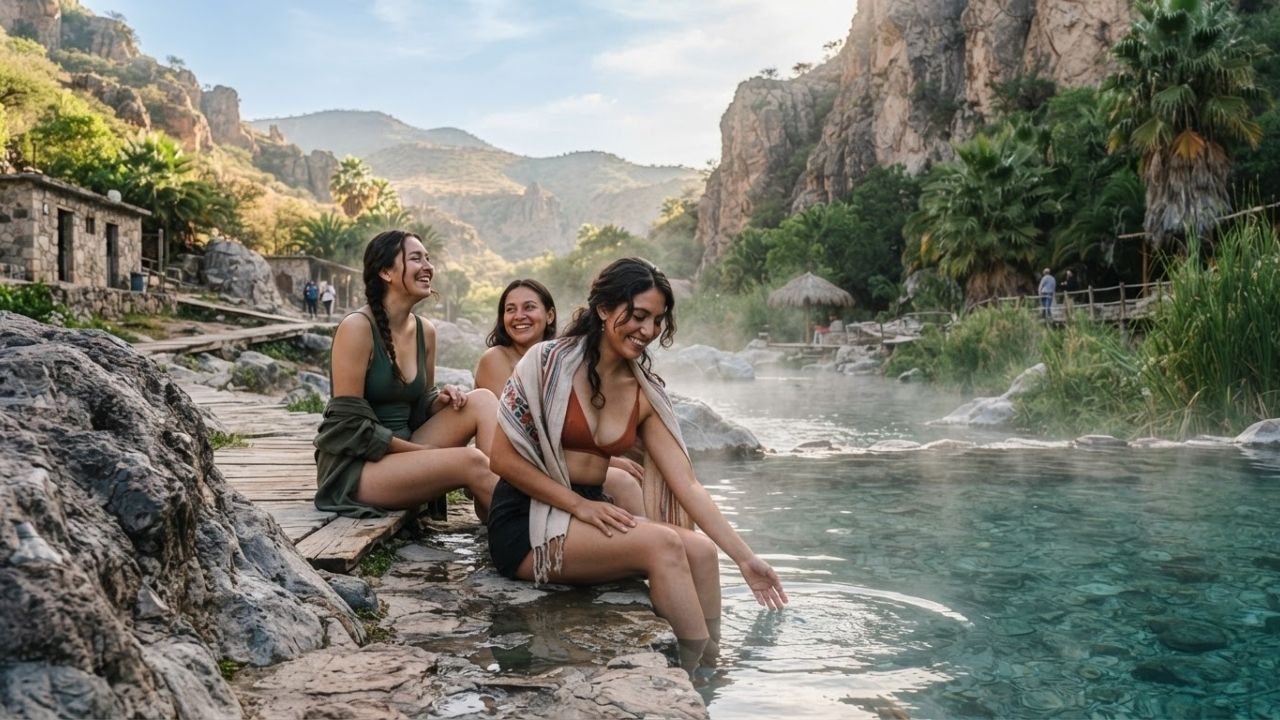
Image generated by AI
Volcanic filtration from the Trans-Mexican Volcanic Belt and indigenous Hñähñu communal land sovereignty have transformed the geothermal springs of Ixmiquilpan into Central Mexico’s premier hydrotherapy destination.
[IXMIQUILPAN, Hidalgo, Aug. 31, 2026] — Nestled within the sun-drenched semi-arid landscape of the Valle del Mezquital, Ixmiquilpan has emerged as a globally recognized sanctuary for natural balneotherapy and eco-adventure. Driven by deep subterranean volcanic heat and protected by indigenous Otomí-Hñähñu ejidos, the region's year-round steaming river pools offer travelers mineral-rich hydrotherapy while funding community healthcare, public infrastructure, and cultural preservation.
Rather than surrendering native territory to private corporate developers, the local Hñähñu population governs the spring systems through collective land ownership. This sustainable model delivers high-standard leisure infrastructure, allows native families to retain full water rights, and ensures that tourism spending directly benefits the local economy.
Subterranean Volcanic Heat Drives Hydrogeochemical Filtration in Hidalgo
The geological foundation of Ixmiquilpan represents one of the most significant hydrothermal systems in North America. Meteoric precipitation falling across the high mountain peaks of Hidalgo percolates deep into the earth's crust, descending thousands of meters until reaching intense heat zones created by the Trans-Mexican Volcanic Belt.
Under immense pressure and geothermal energy, the water undergoes rapid thermal elevation before rising back to the surface through natural tectonic fissures within the Valle del Mezquital basin. This continuous volcanic cycle guarantees that the springs erupt at warm, soothing temperatures throughout the year.
As the pressurized water forces its way through deep sedimentary rock strata, it absorbs dense concentrations of dissolved minerals:
- Sodium Sulfate: Serves as a natural anti-inflammatory agent, easing chronic joint stiffness and muscle soreness.
- Sodium Bicarbonate: Regulates skin pH levels, encourages tissue hydration, and fosters skin cell renewal.
- Calcium & Magnesium: Promotes peripheral blood vessel dilation, stimulates cardiovascular circulation, and calms systemic physical fatigue.
Balneological research confirms that immersion in these alkaline thermal waters offers proven therapeutic benefits for musculoskeletal recovery, dermatological health, and stress reduction.
Indigenous Hñähñu Ejido Sovereignty Establishes Sustainable Tourism Benchmark
The socio-economic framework governing Ixmiquilpan's thermal sanctuaries is built upon collective ejidal land tenure protected under Mexican agrarian law. By retaining communal ownership of ancestral lands and water rights, the Hñähñu people have created a self-sustaining cooperative business model.
Financial revenues generated from park admission fees and hospitality services are systematically reinvested into local public works, including educational scholarships, healthcare clinics, road maintenance, and agricultural irrigation networks. Furthermore, the complexes employ local residents as park managers, lifeguards, hospitality staff, and maintenance engineers, effectively curbing rural youth migration to distant urban centers.
Environmental stewardship remains central to ejidal operations. Used thermal water flowing out of the recreational pools passes through filtration systems before being redirected into dedicated agricultural canals. This recycled water nourishes local agave and alfalfa crops across the dry valley floor, protecting precious freshwater aquifers from depletion.
Comprehensive Data Breakdown: Thermal Resort Features and Hydrogeochemistry
The table below outlines the primary thermal water parks and eco-resorts operating across Ixmiquilpan:
| Thermal Resort Name | Signature Water Features | Accommodation Options | Key Family & Adventure Highlights |
|---|---|---|---|
| Parque Acuático El Tephé | Sprawling thermal wave pools, high-speed toboggans | Luxury suites & shaded campsites | Children's splash zones, spacious lawns |
| Parque Acuático Dios Padre | High-temperature thermal pools, Olympic pool | On-site cabins & camping grounds | Ziplines, multi-lane slides, main highway access |
| Las Cuevitas | Secluded stone caverns filled with thermal water | Rustic stone cabins & campsite | Artificial lake, intimate natural rock setting |
| Parque Acuático Maguey Blanco | Natural thermal pools surrounded by lush foliage | Private wooden cabins under stars | Extreme velocity water slides, leisure pools |
| Balneario Pueblo Nuevo | Constant warm spring pools, interactive water castles | Cozy cabins & grassy campsites | Water cannons, family picnic areas |
| Valle Paraíso | Dinosaur-themed park, thermal jacuzzis | Fully equipped overnight cabins | Themed swimming pools, family recreation |
| Parque EcoAlberto | Thermal river pools in Gran Cañón del Río Tula | Desert cabins & riverside camping | Kayaking, rappelling, canyon hiking |
The table below details the hydrogeochemical mineral profile and health mechanisms of Ixmiquilpan's geothermal waters:
| Mineral Component | Dominant Ionic Role | Physiological Hydrotherapy Mechanism | Target Health Benefit |
|---|---|---|---|
| Sodium Sulfate | Anionic anti-inflammatory | Reduces muscular tension & joint inflammation | Arthritis relief, muscle recovery |
| Sodium Bicarbonate | Alkaline buffering agent | Hydrates tissue & balances skin pH | Dermatological purification |
| Calcium Ions | Structural mineral element | Stimulates cellular regeneration & bone health | Tissue renewal, skin barrier repair |
| Magnesium Ions | Neuromuscular regulator | Dilates blood vessels & lowers circulatory stress | Stress reduction, cardiovascular support |
Eco-Adventures and Cultural Heritage Across the Valle del Mezquital
Beyond traditional swimming pools, Parque EcoAlberto presents an adventurous blend of geothermal relaxation and outdoor recreation operated directly by the Hñähñu community. Situated along the dramatic cliffs of the Gran Cañón del Río Tula, this eco-park pairs warm river soaking with white-water kayaking, cliff rappelling, and desert hiking.
In addition to its natural springs, Ixmiquilpan—known historically in the native language as Ntsꞌu̱tkʼani—serves as the cultural heart of the Otomí-Hñähñu civilization. Visitors can explore living artisanal traditions, such as the hand-weaving of natural ixtle fibers extracted from agave plants, along with traditional pottery and regional gastronomy.
Historic architecture also draws cultural travelers to the town center. The 16th-century Augustinian Monastery of San Miguel Arcángel features rare pre-Hispanic murals painted by native artists. These complex frescoes depict Eagle and Jaguar warriors engaged in sacred battle, representing an extraordinary blend of indigenous Mesoamerican cosmology and European colonial art.
Microclimate Dynamics and Practical Logistics for Travelers
The microclimate across Ixmiquilpan is heavily influenced by the rain-shadow effect of the Sierra Madre Oriental mountains. This geological barrier yields a semi-arid, sun-drenched environment characterized by minimal rainfall and mild to warm weather throughout the year.
During winter months, the crisp desert air provides a refreshing contrast against the steaming thermal pools. Travelers seeking a quieter soaking experience away from domestic holiday crowds will find optimal weather and peaceful conditions by visiting midweek during autumn and winter.
Driving routes to Ixmiquilpan are convenient from major regional cities:
- From Mexico City: Drive north via Federal Highway 85 through Pachuca and Actopan directly into Ixmiquilpan.
- From Querétaro: Drive east via Highway 45 through Huichapan, following marked highway signage through the desert hills.
To maintain safety and environmental purity, communal operators strictly enforce park rules. Glass containers, sharp metallic utensils, loud personal sound systems, and non-biodegradable chemical sunscreens are strictly prohibited inside all pool facilities.
Why This Matters: Practical Guidance for Hydrotherapy Travelers
For wellness seekers and eco-conscious travelers planning a trip to Hidalgo, the ejidal tourism model in Ixmiquilpan offers distinct advantages:
- Ethical Travel Footprint: Ticket purchases directly support indigenous land sovereignty, local public schools, healthcare facilities, and sustainable agricultural irrigation rather than corporate dividends.
- Optimized Hydrotherapy Soaking: Hydrotherapy experts recommend structured 20- to 30-minute soaking sessions in thermal pools, followed by cool hydration breaks to maximize muscle relaxation without inducing heat exhaustion.
- Regional Multi-Day Itineraries: Ixmiquilpan's central location along major highways allows travelers to combine thermal bathing with visits to neighboring Hidalgo attractions, such as the basaltic prisms of Huasca de Ocampo and the mountain pine forests of Mineral del Chico.
- Authentic Local Gastronomy: Visitors can sample traditional subterranean pit-roasted mutton barbacoa wrapped in agave leaves, alongside pulque (fermented agave nectar), blue corn tortillas, and fresh cactus salads.
Frequently Asked Questions
What is the average water temperature in Ixmiquilpan's thermal springs?
The waters erupt naturally from volcanic aquifers at warm temperatures, ranging between 35°C and 42°C (95°F to 108°F) depending on the specific park and spring outlet.
How far is Ixmiquilpan from Mexico City and Querétaro?
Ixmiquilpan is located approximately 150 kilometers (93 miles) north of Mexico City (a 2.5-hour drive) and about 140 kilometers (87 miles) east of Querétaro.
Who owns and manages the thermal resorts in Ixmiquilpan?
The vast majority of thermal parks are owned, managed, and operated by indigenous Hñähñu communal ejidos and local cooperative assemblies.
What items are banned inside the thermal water parks?
For safety and water preservation, rules prohibit glass bottles, sharp metal objects, high-powered speakers, and non-biodegradable chemical sunscreens near pools.
Related Travel Guides
Disclaimer
This article is for informational and educational purposes only. It does not constitute legal, financial, or professional advice. While we strive to provide accurate and up-to-date information, travel policies, regulations, and conditions change rapidly. Always verify information with official sources before making travel decisions. Nomad Lawyer makes no representations about the accuracy, reliability, completeness, or suitability of the information provided. Readers should consult qualified professionals for advice specific to their circumstances. The views expressed in this article are those of the author and do not necessarily reflect the views of Nomad Lawyer.
Raushan Kumar
Founder & Lead Developer
Full-stack developer with 11+ years of experience and a passionate traveller. Raushan built Nomad Lawyer from the ground up with a vision to create the best travel and law experience on the web.
Learn more about our team →