
Yucatán Peninsula Cenotes Guide 2026: Pricing and Access for Valladolid, Tulum, and Mérida
A comprehensive 2026 analyst report on Yucatán cenote access, including updated entrance fees, crowd mitigation strategies, and environmental regulations for Valladolid, Tulum, and Mérida.

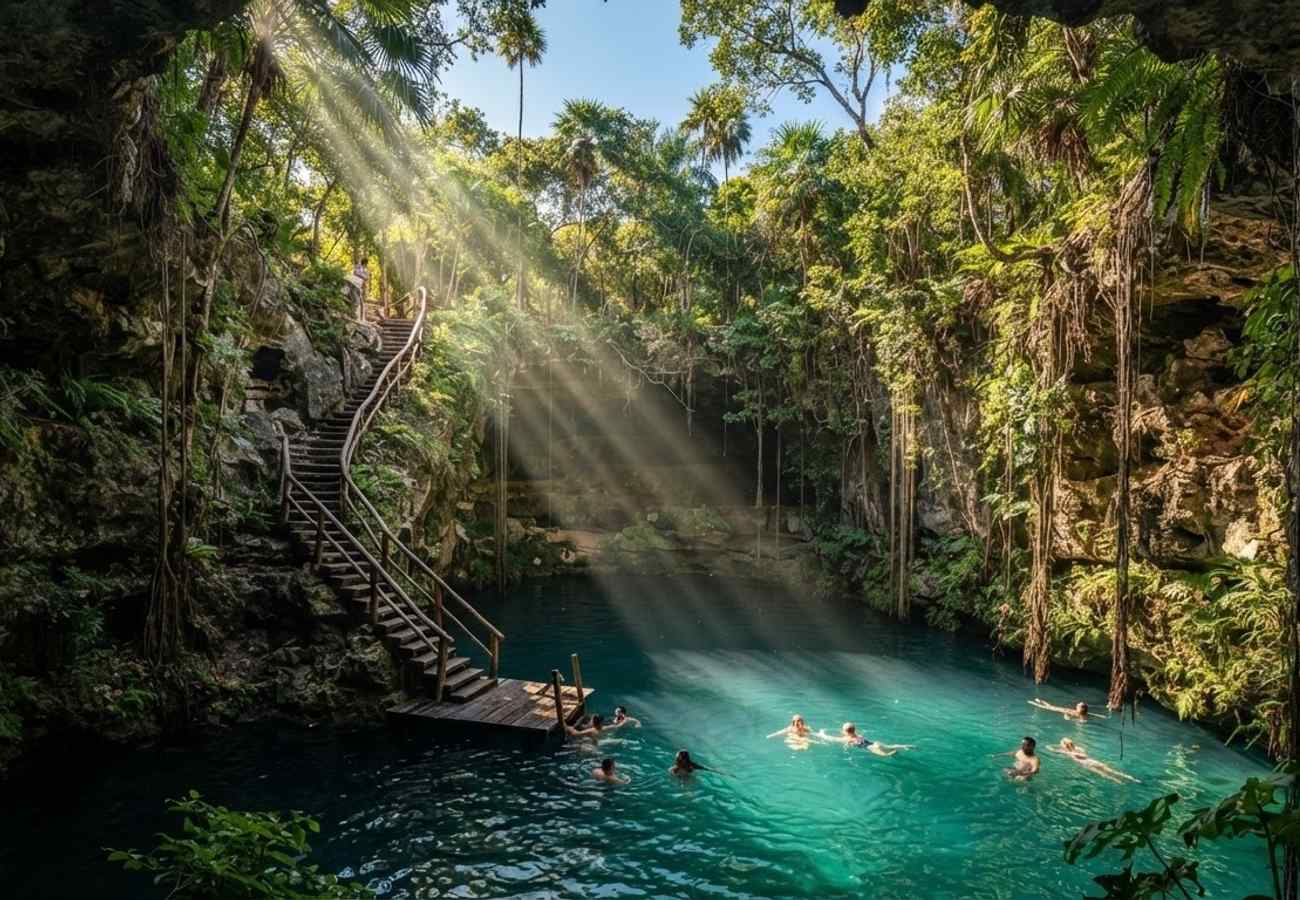
Image generated by AI
The Yucatán Peninsula's cenote network is experiencing significant price inflation and overcrowding, with high-traffic sites now charging up to 600 pesos for entry. Strategic timing and site selection are now mandatory to avoid peak tour-bus congestion.
Regional Disruption and Access Trends
Cenotes—natural limestone sinkholes—are categorized into three primary types: open pools, semi-open caverns, and full cave systems. Our analysis of current tourism patterns indicates that "Instagram-famous" sites are seeing the highest volatility in both pricing and crowd density.
Entrance fees have shifted upward across the peninsula. While community-run sites near Mérida still offer access for 80 to 150 pesos, major hubs in Tulum and Valladolid now frequently range between 150 and 600 pesos.
Site-Specific Impact Breakdown
Valladolid Hub
Valladolid serves as a central node for several high-profile cenotes. The primary challenge here is the overlap with Chichén Itzá tour schedules.
- Cenote Ik Kil: A circular open sinkhole. Entrance is typically in the mid- to high-200 pesos range. High congestion occurs from late morning to mid-afternoon.
- Cenote Suytun: Known for its light-beam platform. Entry is approximately 120 pesos. Strict time limits are enforced on the photo platform.
- Cenote Zací: Located within town limits. This remains a high-value option with entry fees around 60 pesos.
- Cenote San Lorenzo Oxman: A semi-open site with a rope swing. Fees are in the low- to mid-100 pesos range, occasionally bundled with restaurant credits.
Tulum and Cobá Corridor
This region represents the highest price point in the Yucatán due to the prevalence of dive-certified sites.
- Gran Cenote: A hybrid of open pools and caverns. Entry fees are high, ranging from 500 to 600 pesos. Life jackets are mandatory.
- Dos Ojos: A massive cave network. Basic entry is several hundred pesos, while guided snorkeling tours can exceed 1,000 pesos per person.
- Community Sites: Locations toward Felipe Carrillo Puerto or Cobá offer a lower-cost alternative, typically 150 to 250 pesos.
Passenger Advisory: Rights and Regulations
For the visitor, the shift toward stricter environmental management means that "standard" swimming behavior is no longer permitted. Our analysis of site policies suggests the following mandatory requirements:
Environmental Compliance Most operators now enforce a total ban on sunscreen and insect repellent—including biodegradable versions—to prevent chemical contamination of the aquifer. Failure to use the required pre-swim showers may result in denied entry.
Safety Requirements Life jackets are increasingly mandatory, regardless of the swimmer's proficiency, particularly in deeper cave systems or at sites with high liability risks.
Financial Logistics While major sites in Tulum may accept cards, community-run cenotes in the Mérida countryside operate almost exclusively on cash (Mexican Pesos). Travelers should maintain a cash reserve to avoid being unable to access these lower-cost sites.
Crowd Mitigation Strategy To avoid the "tour bus window" (late morning to mid-afternoon), we recommend arrivals at opening (typically 9:00 AM) or during the final hour before closing. Weekends in Tulum see a significant spike in regional visitors; scheduling high-traffic sites for Tuesday through Thursday is highly advised.
The commercialization of the Yucatán's hydrological systems has reached a tipping point. The divergence in pricing between "social media" cenotes and community-run sites is creating a two-tier tourism economy.
We observe a trend where site operators are prioritizing "photo throughput" over the swimming experience, as seen in the timed platform access at Suytun. Travelers seeking an authentic experience should pivot away from the main highway corridors and toward locally owned cenote-restaurant combinations, which provide better economic support to the resident population and offer a more stable price-to-quality ratio.
Strategic timing remains the only effective tool for reclaiming the solitude of the Yucatán jungle.
Related Travel Guides
Disclaimer
This article is for informational and educational purposes only. It does not constitute legal, financial, or professional advice. While we strive to provide accurate and up-to-date information, travel policies, regulations, and conditions change rapidly. Always verify information with official sources before making travel decisions. Nomad Lawyer makes no representations about the accuracy, reliability, completeness, or suitability of the information provided. Readers should consult qualified professionals for advice specific to their circumstances. The views expressed in this article are those of the author and do not necessarily reflect the views of Nomad Lawyer.
Preeti Gunjan
Contributor & Community Manager
A passionate traveller and community builder. Preeti helps grow the Nomad Lawyer community, fostering engagement and bringing the reader experience to life.
Learn more about our team →